THE ADVENTURE COLLECTIVE® · Independent discovery and booking for outdoor travel

A full-day outing from Addis Ababa that pairs cliff-top Blue Nile Gorge lookouts with a short river hike to the small stone Portuguese-style bridge and the historic Debre Libanos monastery. Expect dramatic geology, cultural sites and easy-to-moderate walking.
A full-day outing from Addis Ababa that pairs cliff-top Blue Nile Gorge lookouts with a short river hike to the small stone Portuguese-style bridge and the historic Debre Libanos monastery. Expect dramatic geology, cultural sites and easy-to-moderate walking.
You crest a highland road and the world opens: a thousand-meter gorge drops away as wind pulls at your jacket and the Jemma River below dares you to peer over the edge. This full-day excursion from Addis Ababa threads village farmland, cliff-top lookouts and a short riverside hike that leads to a small stone arch known locally as the Portuguese Bridge.
Verified experiences and guided adventures in the surrounding area.
Operated by Danakil Depression Tours · Debre Libanos, North Shewa Zone, Amhara Region
You crest a highland road and the world opens: a thousand-meter gorge drops away as wind pulls at your jacket and the Jemma River below dares you to peer over the edge. This full-day excursion from Addis Ababa threads village farmland, cliff-top lookouts and a short riverside hike that leads to a small stone arch known locally as the Portuguese Bridge.
Debre Libanos is more than a viewpoint. The monastery complex—first established in the 13th century as Debre Azbo—has been a spiritual center for centuries, rebuilt after destruction during the 1930s Italian occupation and updated with twentieth-century additions ordered by Emperor Haile Selassie. The geology here is dramatic: volcanic highlands carved by tributaries of the Blue Nile produce sheer basalt cliffs, terraced waterfalls and narrow river gorges that echo the great canyon systems to the north.
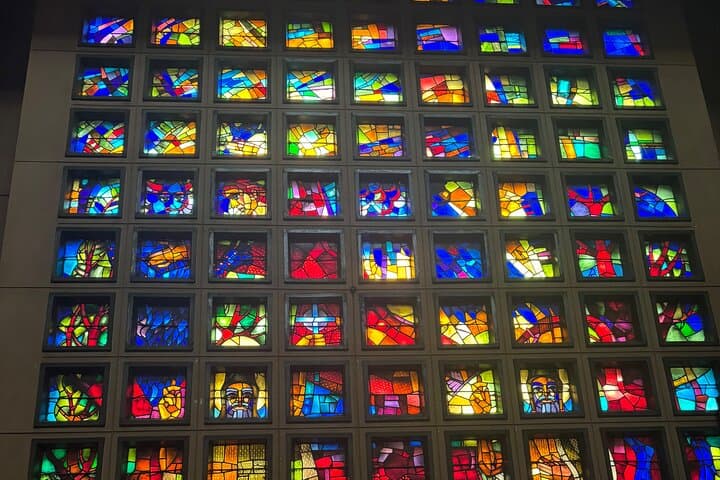
Culturally, expect solemn church rituals, decades-old iconography and modern stained glass by Afework Tekle inside the octagonal church. On the short 1.5–2 hour hike you’ll pass caves, terraces and monkey-populated trees; in the rainy season the cascade below the Portuguese-style bridge grows loud and theatrical.
Practical guide: departures from Addis run about 9–10 hours including transport; trails are uneven but not technical. Wear sturdy shoes, carry 1–2 liters of water, sun protection and modest clothing for church visits. Morning light is best for photos of the gorge; afternoons work well for bridge and waterfall views. The route offers birdwatching, cultural insight and a compact but rewarding taste of Ethiopia’s highland landscape.
moderate.
9–10 hours.
Suitable for most people with regular mobility; requires 1.5–2 hours of walking on uneven terrain and some short climbs.
The drive typically takes about 1.5–2 hours each way depending on traffic and road conditions, making this a full 9–10 hour day tour.
The 1.5–2 hour hike includes uneven terrain but is non-technical; children and older adults with reasonable mobility can usually participate—ask the operator about alternate options if mobility is limited.
This tour’s inclusions list entrance fees, a Blue Badge guide, government taxes and a brunch with tea or coffee—confirm specific meal details with the operator at booking.
Photography is often allowed in museum areas and exterior spaces, but be respectful and ask permission before photographing worshippers or restricted interiors.
Debre Libanos began as a 13th-century monastic center (Debre Azbo) and has been rebuilt and expanded over centuries, with significant 20th-century additions commissioned by Emperor Haile Selassie.
The gorge’s steep slopes are sensitive to erosion; stick to trails, avoid disturbing riverbanks and support local guides who promote responsible visitation.
Danakil Depression Tours operates guided outdoor trips and adventures with an emphasis on safety, stewardship, and memorable experiences.
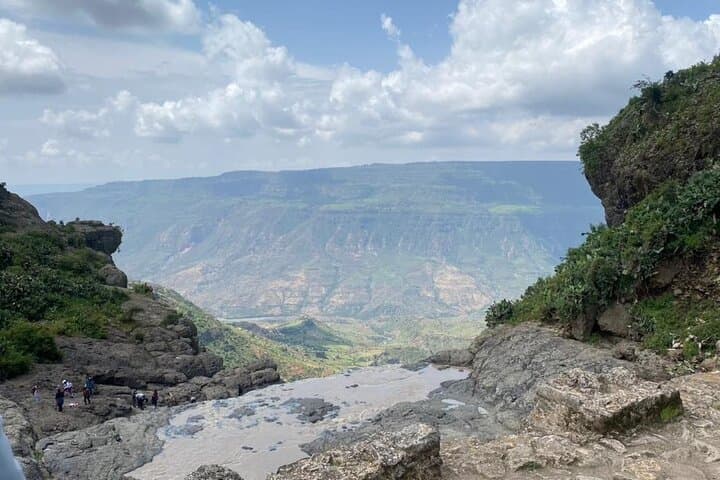
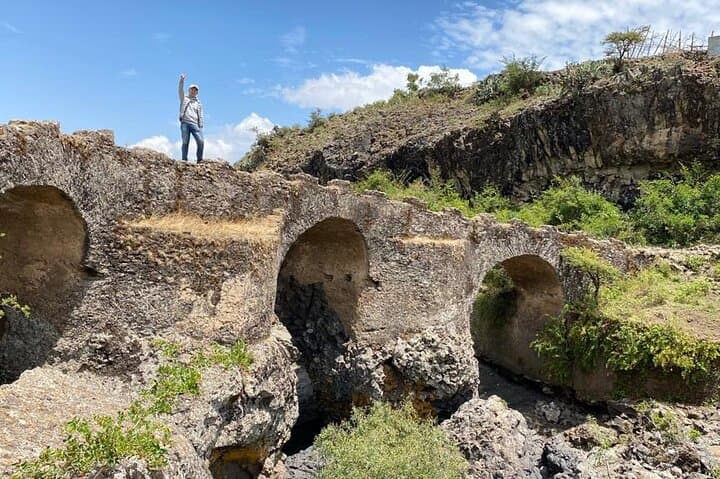
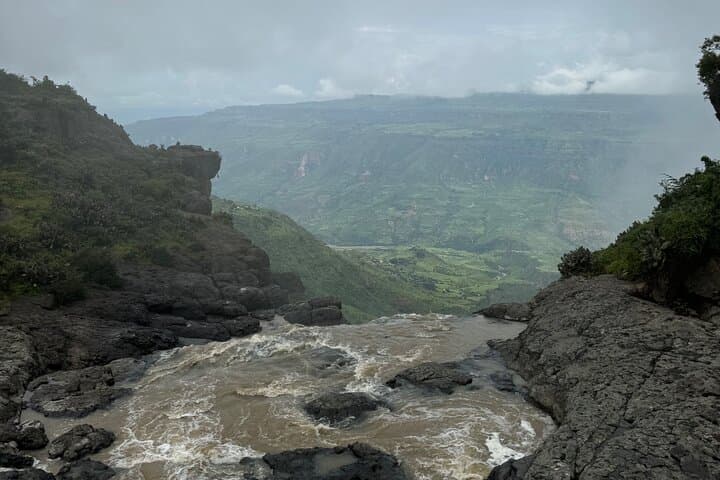
You crest a highland road and the world opens: a thousand-meter gorge drops away as wind pulls at your jacket and the Jemma River below dares you to peer over the edge. This full-day excursion from Addis Ababa threads village farmland, cliff-top lookouts and a short riverside hike that leads to a small stone arch known locally as the Portuguese Bridge.
You crest a highland road and the world opens: a thousand-meter gorge drops away as wind pulls at your jacket and the Jemma River below dares you to peer over the edge. This full-day excursion from Addis Ababa threads village farmland, cliff-top lookouts and a short riverside hike that leads to a small stone arch known locally as the Portuguese Bridge.
Debre Libanos is more than a viewpoint. The monastery complex—first established in the 13th century as Debre Azbo—has been a spiritual center for centuries, rebuilt after destruction during the 1930s Italian occupation and updated with twentieth-century additions ordered by Emperor Haile Selassie. The geology here is dramatic: volcanic highlands carved by tributaries of the Blue Nile produce sheer basalt cliffs, terraced waterfalls and narrow river gorges that echo the great canyon systems to the north.
Culturally, expect solemn church rituals, decades-old iconography and modern stained glass by Afework Tekle inside the octagonal church. On the short 1.5–2 hour hike you’ll pass caves, terraces and monkey-populated trees; in the rainy season the cascade below the Portuguese-style bridge grows loud and theatrical.
Practical guide: departures from Addis run about 9–10 hours including transport; trails are uneven but not technical. Wear sturdy shoes, carry 1–2 liters of water, sun protection and modest clothing for church visits. Morning light is best for photos of the gorge; afternoons work well for bridge and waterfall views. The route offers birdwatching, cultural insight and a compact but rewarding taste of Ethiopia’s highland landscape.