THE ADVENTURE COLLECTIVE® · Independent discovery and booking for outdoor travel

Taste Addis Ababa across markets, cafes and a mountain coffee ceremony on this 5–6 hour culinary tour. From Tomoca’s espresso to hands-on injera baking and a glass of tej, the day pairs cultural context with practical tips for urban exploration.
Taste Addis Ababa across markets, cafes and a mountain coffee ceremony on this 5–6 hour culinary tour. From Tomoca’s espresso to hands-on injera baking and a glass of tej, the day pairs cultural context with practical tips for urban exploration.
You step out into Merkato and the city breathes into the street: cartwheels clack, spice sacks sigh, and the highland air presses cool against your face. Stalls stretch like neighborhoods, each vendor calling a different history into being. This full-day culinary walk moves from the organized chaos of the largest open-air market in Africa to a mountain village demonstration where coffee is roasted over live flame and injera is formed by practiced hands.
Verified experiences and guided adventures in the surrounding area.
Operated by myGuzo · Addis Ababa, Addis Ababa
You step out into Merkato and the city breathes into the street: cartwheels clack, spice sacks sigh, and the highland air presses cool against your face. Stalls stretch like neighborhoods, each vendor calling a different history into being. This full-day culinary walk moves from the organized chaos of the largest open-air market in Africa to a mountain village demonstration where coffee is roasted over live flame and injera is formed by practiced hands.
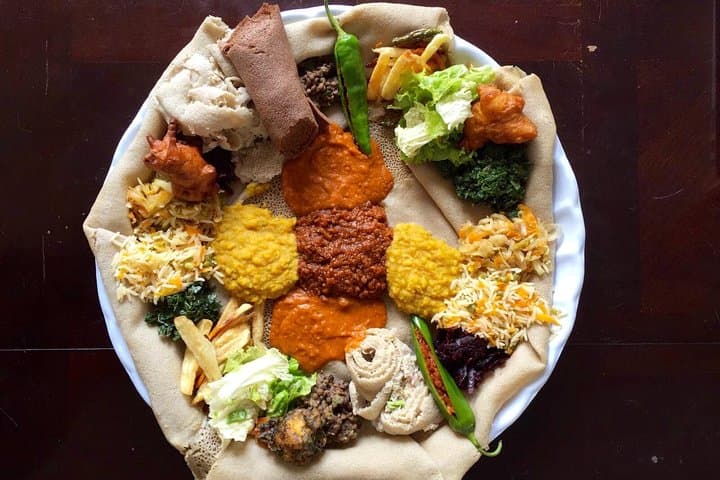
The backdrop is the Ethiopian Highlands—a volcanic plateau that lifts Addis Ababa to roughly 2,300–2,400 meters, shaping weather, crops and coffee varieties grown in nearby regions like Kaffa, where the coffee story began. Culinary culture here ties to imperial history: Taitu Hotel, the city’s first hotel, sits near the route and public cafés such as Tomoca showcase decades of local roasting tradition. Tej, Ethiopia’s honeywine, and communal injera service speak to hospitality as a civic act.
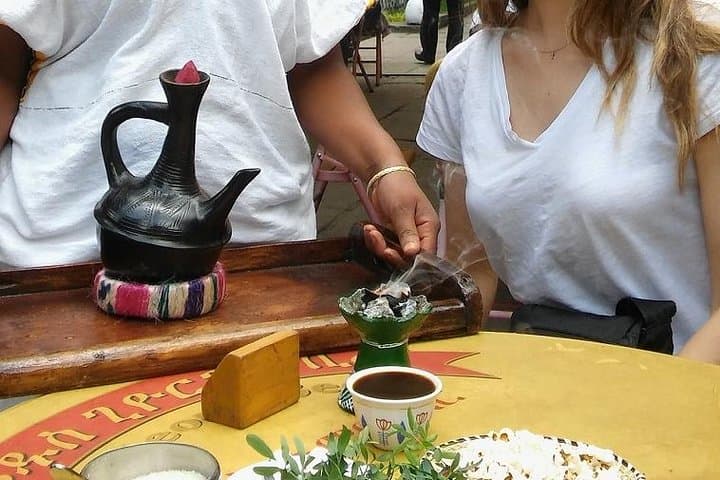
Expect a sensory itinerary: market aisles of citrus and berbere, a Tomoca cup pulled thick with crema, and a village coffee ceremony that can take an hour when performed in full. Practicalities matter—the tour runs about 5–6 hours, includes hotel pickup in Addis Ababa, and moves between uneven market paving and village dirt tracks. Dress in layers for altitude and variable weather, bring small bills for souvenirs and street snacks, and carry a reusable water bottle.
Photography is welcomed but ask before framing people; be ready to remove sunglasses during coffee ceremonies as a sign of respect. The day is less about speed than presence: taste, learn, and leave room to let the city’s flavors push a little farther into your plans.
easy.
5–6 hours.
Suitable for all fitness levels; expect several hours of standing and walking on uneven ground
Yes—pickup and drop-off anywhere in Addis Ababa are included in the tour price.
Guides can help select compatible dishes, but notify of allergies at booking so local kitchens can prepare alternatives.
Expect several hours of walking through markets and short transfers; terrain includes paved streets, packed earth and some steps.
The tour accepts children aged 8 and up; parents should consider crowds and market conditions.
Addis Ababa sits on the Ethiopian Highlands and grew rapidly in the late 19th and early 20th centuries; Taitu Hotel, opened by Empress Taitu in the early 1900s, is the city’s first hotel. Coffee culture traces to the nearby forests of Kaffa, where the coffee plant was first domesticated.
Support local producers by buying small-batch roasted coffee and tej directly from vendors; minimize waste by carrying reusable containers and disposing of litter in designated bins.
myGuzo operates guided outdoor trips and adventures with an emphasis on safety, stewardship, and memorable experiences.
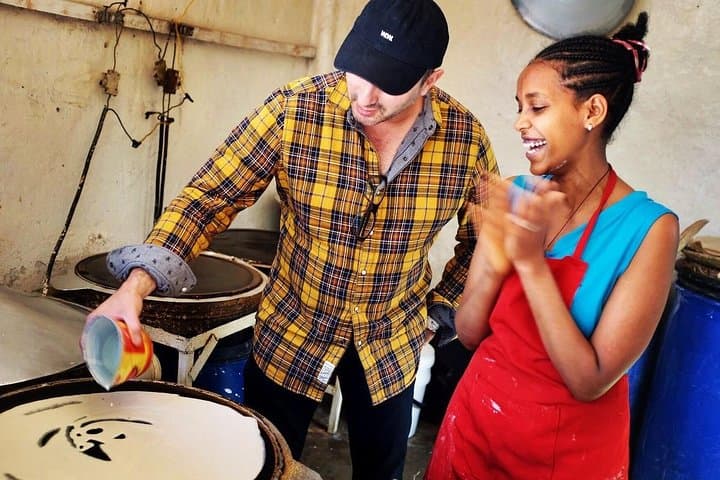

You step out into Merkato and the city breathes into the street: cartwheels clack, spice sacks sigh, and the highland air presses cool against your face. Stalls stretch like neighborhoods, each vendor calling a different history into being. This full-day culinary walk moves from the organized chaos of the largest open-air market in Africa to a mountain village demonstration where coffee is roasted over live flame and injera is formed by practiced hands.
You step out into Merkato and the city breathes into the street: cartwheels clack, spice sacks sigh, and the highland air presses cool against your face. Stalls stretch like neighborhoods, each vendor calling a different history into being. This full-day culinary walk moves from the organized chaos of the largest open-air market in Africa to a mountain village demonstration where coffee is roasted over live flame and injera is formed by practiced hands.
The backdrop is the Ethiopian Highlands—a volcanic plateau that lifts Addis Ababa to roughly 2,300–2,400 meters, shaping weather, crops and coffee varieties grown in nearby regions like Kaffa, where the coffee story began. Culinary culture here ties to imperial history: Taitu Hotel, the city’s first hotel, sits near the route and public cafés such as Tomoca showcase decades of local roasting tradition. Tej, Ethiopia’s honeywine, and communal injera service speak to hospitality as a civic act.
Expect a sensory itinerary: market aisles of citrus and berbere, a Tomoca cup pulled thick with crema, and a village coffee ceremony that can take an hour when performed in full. Practicalities matter—the tour runs about 5–6 hours, includes hotel pickup in Addis Ababa, and moves between uneven market paving and village dirt tracks. Dress in layers for altitude and variable weather, bring small bills for souvenirs and street snacks, and carry a reusable water bottle.
Photography is welcomed but ask before framing people; be ready to remove sunglasses during coffee ceremonies as a sign of respect. The day is less about speed than presence: taste, learn, and leave room to let the city’s flavors push a little farther into your plans.