THE ADVENTURE COLLECTIVE® · Independent discovery and booking for outdoor travel

Explore Addis Ababa on a guided city tour that balances major museums, a bustling market, and a traditional coffee ceremony. This one-day experience pairs cultural context with practical tips for navigating highland streets and busy Mercato alleys.
Explore Addis Ababa on a guided city tour that balances major museums, a bustling market, and a traditional coffee ceremony. This one-day experience pairs cultural context with practical tips for navigating highland streets and busy Mercato alleys.
You step off the shaded curb into Addis Ababa’s highland air and the city immediately asserts itself — honking minibuses, a ribbon of eucalyptus on the hills, the rich aroma of coffee roasting. The tour moves like the city: shifting between cool, museum halls and chaotic market alleys, pausing for a quiet moment in a church or at a hilltop where the skyline unfolds.
Verified experiences and guided adventures in the surrounding area.
Operated by Travel With Akuye · Addis Ababa, Addis Ababa
You step off the shaded curb into Addis Ababa’s highland air and the city immediately asserts itself — honking minibuses, a ribbon of eucalyptus on the hills, the rich aroma of coffee roasting. The tour moves like the city: shifting between cool, museum halls and chaotic market alleys, pausing for a quiet moment in a church or at a hilltop where the skyline unfolds.
Addis Ababa sits on the Ethiopian Plateau at roughly 2,300–2,500 m elevation, founded by Emperor Menelik II in the late 19th century as a strategic highland capital. That history is visible in imperial statues, the Menelik II Equestrian monument, and in the National Museum’s ancient finds — including “Lucy,” a touchstone in human origins. The city’s geology — volcanic soils and rolling ridges — helped shape settlement patterns and the dramatic viewpoints outside town at Entoto.
Culturally the city mixes Orthodox Christian ritual, Pan-African politics, and daily commerce. Mercato, Africa’s largest open-air market, dares you into its alleys: bring a steady hand and a head for bargaining. The Ethiopian coffee ceremony is more than a drink; it’s social architecture — expect multiple rounds and conversation.
Practically, plan for layers (cool mornings, sun at midday), cash for small purchases, and early starts to avoid traffic. Museums and churches require modest dress and calm behavior; markets are busiest mid-morning. A local guide will navigate permits, inside stories, and the best coffee ceremonies — making the day efficient and richly reported. With comfortable shoes and patience, this tour stitches history, daily life, and sensory detail into a single, accessible day in the capital.
easy.
1–6 hours.
Suitable for most fitness levels; involves standing, walking on uneven pavement, and short stair sections.
The tour is flexible between about 1 and 6 hours depending on the selected itinerary and whether you include museums and Mercato.
Some museum admissions are typically included in private tours, but confirm at booking which museums are covered and whether specialty exhibits carry extra fees.
Yes; the tour is rated easy and suitable for all ages, though infants should sit on laps in vehicles and busy market areas require close supervision.
Most local guides speak English; request specific language needs at booking to ensure an interpreter if required.
Addis Ababa was established as Ethiopia’s capital by Menelik II in the late 1800s and later became a hub for Pan-African diplomacy and the African Union.
Mercato’s informal recycling and repair economy is notable; support local vendors and minimize single-use plastics to reduce waste in busy urban environments.
Travel With Akuye operates guided outdoor trips and adventures with an emphasis on safety, stewardship, and memorable experiences.
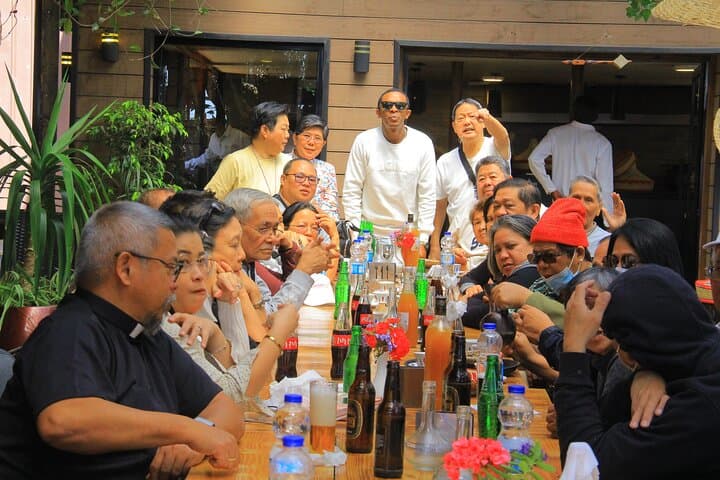
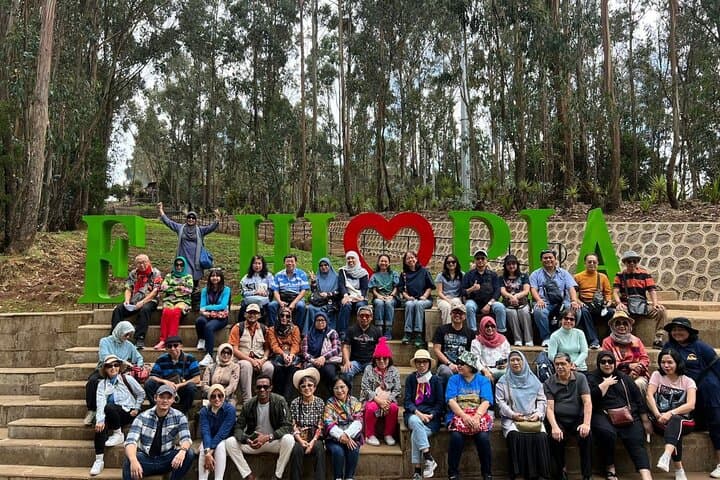

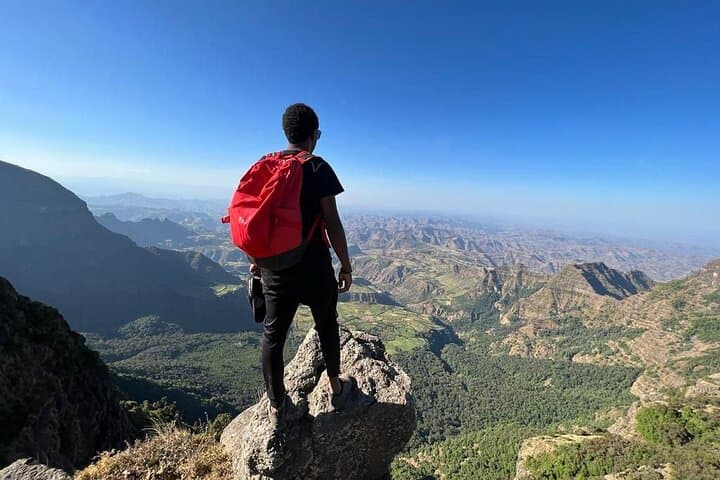
You step off the shaded curb into Addis Ababa’s highland air and the city immediately asserts itself — honking minibuses, a ribbon of eucalyptus on the hills, the rich aroma of coffee roasting. The tour moves like the city: shifting between cool, museum halls and chaotic market alleys, pausing for a quiet moment in a church or at a hilltop where the skyline unfolds.
You step off the shaded curb into Addis Ababa’s highland air and the city immediately asserts itself — honking minibuses, a ribbon of eucalyptus on the hills, the rich aroma of coffee roasting. The tour moves like the city: shifting between cool, museum halls and chaotic market alleys, pausing for a quiet moment in a church or at a hilltop where the skyline unfolds.
Addis Ababa sits on the Ethiopian Plateau at roughly 2,300–2,500 m elevation, founded by Emperor Menelik II in the late 19th century as a strategic highland capital. That history is visible in imperial statues, the Menelik II Equestrian monument, and in the National Museum’s ancient finds — including “Lucy,” a touchstone in human origins. The city’s geology — volcanic soils and rolling ridges — helped shape settlement patterns and the dramatic viewpoints outside town at Entoto.
Culturally the city mixes Orthodox Christian ritual, Pan-African politics, and daily commerce. Mercato, Africa’s largest open-air market, dares you into its alleys: bring a steady hand and a head for bargaining. The Ethiopian coffee ceremony is more than a drink; it’s social architecture — expect multiple rounds and conversation.
Practically, plan for layers (cool mornings, sun at midday), cash for small purchases, and early starts to avoid traffic. Museums and churches require modest dress and calm behavior; markets are busiest mid-morning. A local guide will navigate permits, inside stories, and the best coffee ceremonies — making the day efficient and richly reported. With comfortable shoes and patience, this tour stitches history, daily life, and sensory detail into a single, accessible day in the capital.