THE ADVENTURE COLLECTIVE® · Independent discovery and booking for outdoor travel

A private, full-day tour from Addis Ababa visiting Adadi Mariam’s rock-hewn church, the UNESCO Tiya stelae, and the prehistoric terraces of Melka Kunture. Expect short walks, archaeological interpretation, and a local lunch on this 8-hour cultural drive.
A private, full-day tour from Addis Ababa visiting Adadi Mariam’s rock-hewn church, the UNESCO Tiya stelae, and the prehistoric terraces of Melka Kunture. Expect short walks, archaeological interpretation, and a local lunch on this 8-hour cultural drive.
By mid-morning the vehicle peels away from Addis Ababa and the city’s bustle thins into broad farmland and low hills. The road leads to stone that holds stories: a solitary rock-hewn church carved deep into basalt, a ring of carved stelae standing like sentinels in a quiet plain, and river terraces where the oldest human tools in the region were first unearthed.
Verified experiences and guided adventures in the surrounding area.
Operated by Enat Ethiopia Tours · Addis Ababa, Addis Ababa
By mid-morning the vehicle peels away from Addis Ababa and the city’s bustle thins into broad farmland and low hills. The road leads to stone that holds stories: a solitary rock-hewn church carved deep into basalt, a ring of carved stelae standing like sentinels in a quiet plain, and river terraces where the oldest human tools in the region were first unearthed.
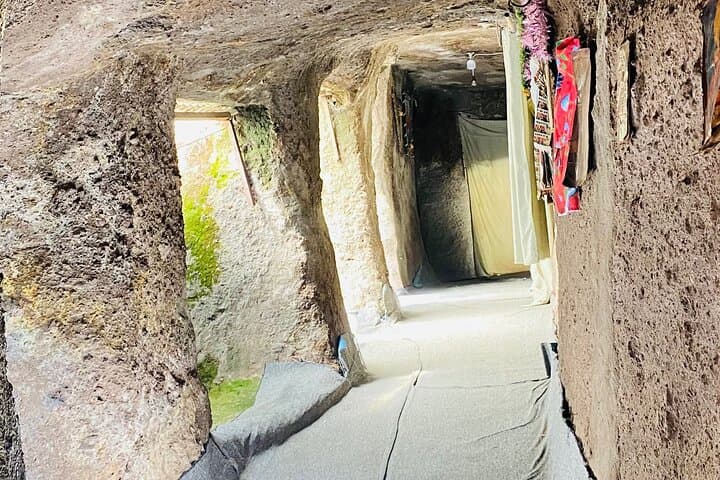
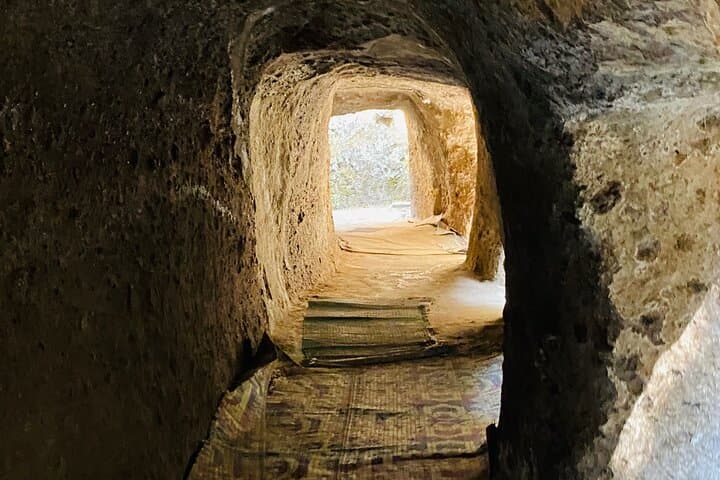
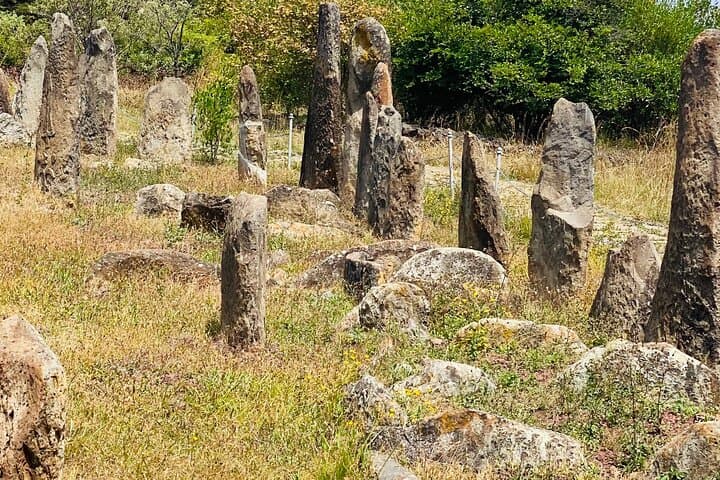
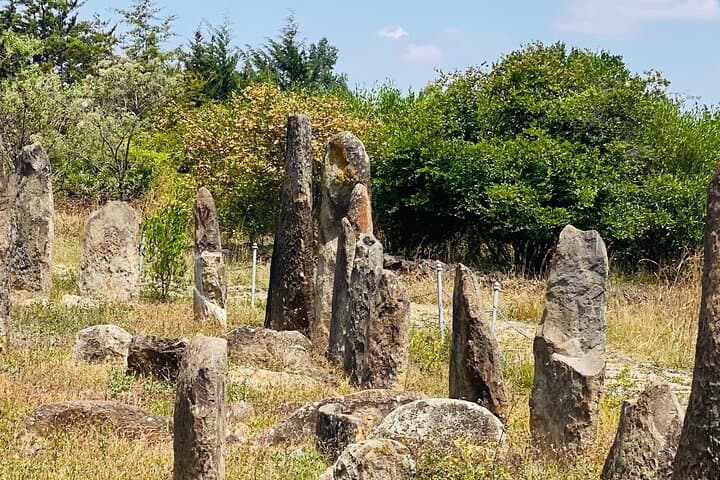
Adadi Mariam is a 13th-century rock-hewn church often compared to Lalibela’s work — smaller, solitary, still used for worship. Nearby, the UNESCO-listed Tiya field displays 36 decorated stelae, funerary markers carved with swords and enigmatic symbols dating between the 10th and 15th centuries. At Melka Kunture, archaeologists have exposed stone tools and fossils spanning up to 1.5 million years, revealing the deep geological and cultural layers of the Awash basin.
Expect an 8-hour private excursion with an air-conditioned vehicle and guide, roughly 1–1.5 hours’ drive from Addis between stops. Terrain is short walks on packed earth, scattered rock, and carved stairways; surfaces can be uneven and dusty. Visitors should allow time for photography, a guided interpretation at each site, and a local lunch; Ethiopian coffee often punctuates the afternoon.
Practical tips: wear sturdy shoes for uneven ground, bring sun protection and at least 1–2 liters of water, and dress respectfully for active worship sites. Respect barriers at archaeological features — the sites are fragile and culturally important. With planning, the trip delivers a compact survey of Ethiopia’s layered past and the raw landscapes that shaped it.
easy.
8 hours.
Light fitness; able to walk short distances (10–30 minutes) over uneven ground and climb steps.
Yes — this tour notes that admissions to the listed sites are included as part of the excursion.
Each site is roughly 1–1.5 hours from Addis Ababa depending on traffic; the full itinerary is about an 8-hour day including stops.
Yes — Adadi Mariam remains an active place of worship; visitors should behave respectfully and follow any local guidance.
The tour is rated physically easy for walkers but involves uneven ground and steps; children are welcome but supervision is needed; limited mobility travelers may find some areas challenging.
Tiya’s 36 stelae mark a medieval burial ground rich in unique carved symbols, while Melka Kunture preserves Paleolithic evidence of hominin tool-making up to ~1.5 million years old.
Sites are fragile and culturally sensitive; avoid touching carvings, follow marked pathways, and support local guides and communities by hiring certified services.
Enat Ethiopia Tours operates guided outdoor trips and adventures with an emphasis on safety, stewardship, and memorable experiences.
By mid-morning the vehicle peels away from Addis Ababa and the city’s bustle thins into broad farmland and low hills. The road leads to stone that holds stories: a solitary rock-hewn church carved deep into basalt, a ring of carved stelae standing like sentinels in a quiet plain, and river terraces where the oldest human tools in the region were first unearthed.
By mid-morning the vehicle peels away from Addis Ababa and the city’s bustle thins into broad farmland and low hills. The road leads to stone that holds stories: a solitary rock-hewn church carved deep into basalt, a ring of carved stelae standing like sentinels in a quiet plain, and river terraces where the oldest human tools in the region were first unearthed.
Adadi Mariam is a 13th-century rock-hewn church often compared to Lalibela’s work — smaller, solitary, still used for worship. Nearby, the UNESCO-listed Tiya field displays 36 decorated stelae, funerary markers carved with swords and enigmatic symbols dating between the 10th and 15th centuries. At Melka Kunture, archaeologists have exposed stone tools and fossils spanning up to 1.5 million years, revealing the deep geological and cultural layers of the Awash basin.
Expect an 8-hour private excursion with an air-conditioned vehicle and guide, roughly 1–1.5 hours’ drive from Addis between stops. Terrain is short walks on packed earth, scattered rock, and carved stairways; surfaces can be uneven and dusty. Visitors should allow time for photography, a guided interpretation at each site, and a local lunch; Ethiopian coffee often punctuates the afternoon.
Practical tips: wear sturdy shoes for uneven ground, bring sun protection and at least 1–2 liters of water, and dress respectfully for active worship sites. Respect barriers at archaeological features — the sites are fragile and culturally important. With planning, the trip delivers a compact survey of Ethiopia’s layered past and the raw landscapes that shaped it.