THE ADVENTURE COLLECTIVE® · Independent discovery and booking for outdoor travel

Wade through a river, duck under a low rock ceiling, and stand before centuries-old offerings in one of Belize’s most famous caves. This full-day guided trip to Actun Tunichil Muknal combines rainforest hiking, short swims, and archaeological insight with a Belizean lunch.
Wade through a river, duck under a low rock ceiling, and stand before centuries-old offerings in one of Belize’s most famous caves. This full-day guided trip to Actun Tunichil Muknal combines rainforest hiking, short swims, and archaeological insight with a Belizean lunch.
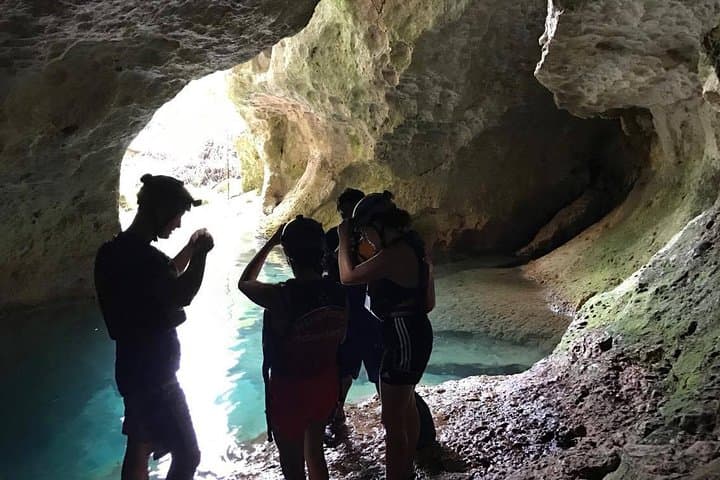
You step off an air-conditioned van onto loam-soaked forest, the humidity pressing like a warm hand. Guides fit helmets and headlamps, voices low as the trail bends toward a river that grinds a soft, steady sound through the understory. The hike to Actun Tunichil Muknal (ATM) begins as a walk through secondary rainforest — ferns brushing knees, motmots calling in the canopy — and becomes a passage through time when the water parts and the cave swallows you.
Verified experiences and guided adventures in the surrounding area.
Operated by Belize Caving Expeditions · San Ignacio, Cayo District
You step off an air-conditioned van onto loam-soaked forest, the humidity pressing like a warm hand. Guides fit helmets and headlamps, voices low as the trail bends toward a river that grinds a soft, steady sound through the understory. The hike to Actun Tunichil Muknal (ATM) begins as a walk through secondary rainforest — ferns brushing knees, motmots calling in the canopy — and becomes a passage through time when the water parts and the cave swallows you.
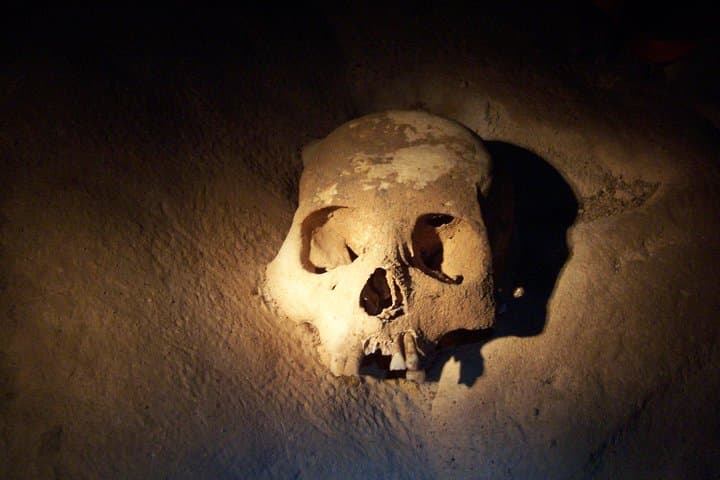
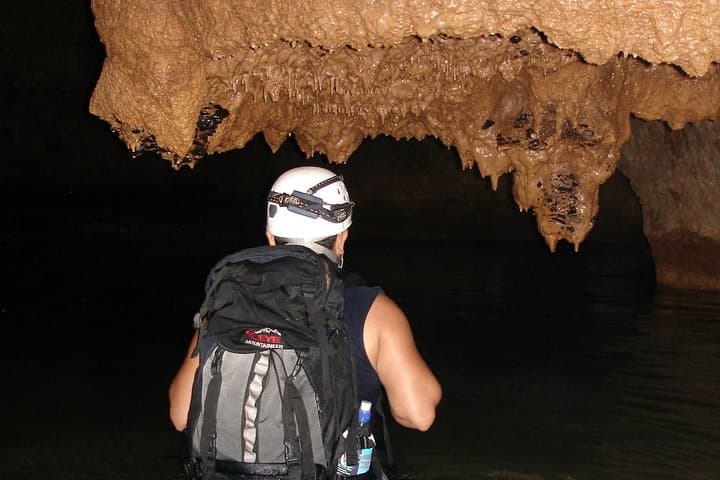
Actun Tunichil Muknal is one of Belize’s most evocative archaeological caves. For the Maya, caves were portals to the underworld; ATM was a place of offerings, ritual, and, in some cases, sacrifice. Calcified human remains and ceramics sit where they were left centuries ago: fragile proofs of belief, exposure, and the mineral patience of limestone. Geologically, the cave is a karst landscape — rain dissolving soluble rock for millennia, carving chambers, flowstones, and deep pools. Stalactites hang above the passages like slow teeth, and mineral flow makes some surfaces glassy with age.
Culturally, the trip is part natural history and part anthropology. Guides—often local and trained in both safety and interpretation—translate the language of the cave: what a bowl fragment means, why a petroglyph appears where it does, and how communities today maintain respect for these sites. You’ll eat a Belizean lunch afterwards, a practical and communal ritual that reminds you the landscape here still supports people and livelihoods.
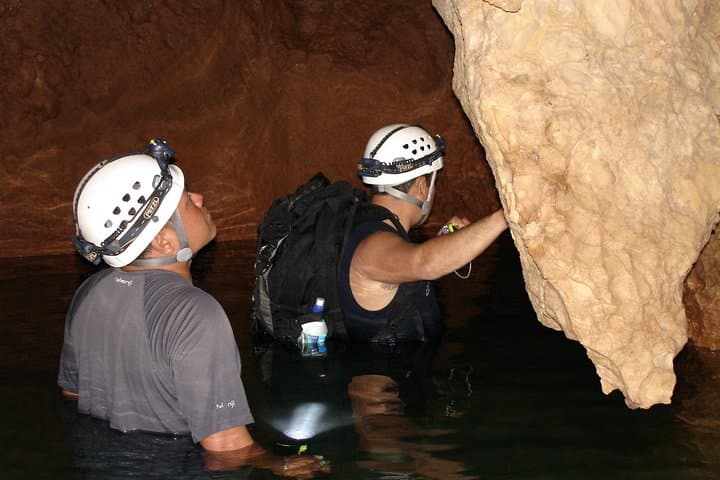
Practical realities matter. The walk from the trailhead is roughly 40 minutes over uneven forest paths; expect mud in the rainy season. You swim a short section to enter the main chamber and spend up to three hours moving through low passages, climbing slick ledges, and viewing artifacts. The overall tour is long—about 8–9 hours round trip from San Ignacio—so stamina and concentration matter. The operator provides helmets, headlamps, life vests, bottled water, and lunch; still, bring a reusable bottle, quick-dry clothing, and water shoes with good tread.
Respect is non-negotiable: do not touch skeletal remains or artifacts, and follow the guide’s route to minimize erosion and cultural damage. Weather affects the cave — high water can close access — and conservation efforts rely on visitor compliance. For travelers who can manage wet hiking and confined spaces, ATM is an unforgettable convergence of natural drama and human history.
Timing tips: arrive early in the day to avoid heat and to get the best light for the approach; bring a dry change of clothes for the van ride back. Whether you come for archaeology, geology, or sheer adventure, the cave demands attention and returns it with the weight of things that have waited a long time to be seen.
moderate.
8–9 hours.
Requires moderate fitness: comfortable with 40-minute forest hikes, short swims, and scrambling over uneven wet rock.
The tour requires a 40-minute hike, a short swim to enter the cave, and several hours of moving through low, wet passages; a moderate fitness level is recommended.
Yes—ceramics and calcified human remains are part of the cave’s exhibits; touching is strictly prohibited to protect these fragile items.
Children are allowed but must be able to swim and follow safety instructions; consult the operator about age limits and suitability.
Wear quick-dry clothes, closed-toe water shoes with good traction, and bring a dry change of clothes for the return trip.
Yes—air-conditioned vehicle pickup from San Ignacio is included; some outlying hotels may incur an additional fee for pickup.
High water or unsafe conditions can close the cave; the operator may cancel if there are insufficient travelers or unsafe conditions, with refund policies outlined at booking.
The ATM cave served as a ceremonial site for the Maya; archaeologists have documented offerings and human remains that indicate ritual deposits dating back centuries.
Visitor compliance with no-touch rules, guided routes, and limited group sizes helps protect fragile archaeological material and reduce erosion in the karst environment.
Belize Caving Expeditions operates guided outdoor trips and adventures with an emphasis on safety, stewardship, and memorable experiences.
You step off an air-conditioned van onto loam-soaked forest, the humidity pressing like a warm hand. Guides fit helmets and headlamps, voices low as the trail bends toward a river that grinds a soft, steady sound through the understory. The hike to Actun Tunichil Muknal (ATM) begins as a walk through secondary rainforest — ferns brushing knees, motmots calling in the canopy — and becomes a passage through time when the water parts and the cave swallows you.
You step off an air-conditioned van onto loam-soaked forest, the humidity pressing like a warm hand. Guides fit helmets and headlamps, voices low as the trail bends toward a river that grinds a soft, steady sound through the understory. The hike to Actun Tunichil Muknal (ATM) begins as a walk through secondary rainforest — ferns brushing knees, motmots calling in the canopy — and becomes a passage through time when the water parts and the cave swallows you.
Actun Tunichil Muknal is one of Belize’s most evocative archaeological caves. For the Maya, caves were portals to the underworld; ATM was a place of offerings, ritual, and, in some cases, sacrifice. Calcified human remains and ceramics sit where they were left centuries ago: fragile proofs of belief, exposure, and the mineral patience of limestone. Geologically, the cave is a karst landscape — rain dissolving soluble rock for millennia, carving chambers, flowstones, and deep pools. Stalactites hang above the passages like slow teeth, and mineral flow makes some surfaces glassy with age.
Culturally, the trip is part natural history and part anthropology. Guides—often local and trained in both safety and interpretation—translate the language of the cave: what a bowl fragment means, why a petroglyph appears where it does, and how communities today maintain respect for these sites. You’ll eat a Belizean lunch afterwards, a practical and communal ritual that reminds you the landscape here still supports people and livelihoods.
Practical realities matter. The walk from the trailhead is roughly 40 minutes over uneven forest paths; expect mud in the rainy season. You swim a short section to enter the main chamber and spend up to three hours moving through low passages, climbing slick ledges, and viewing artifacts. The overall tour is long—about 8–9 hours round trip from San Ignacio—so stamina and concentration matter. The operator provides helmets, headlamps, life vests, bottled water, and lunch; still, bring a reusable bottle, quick-dry clothing, and water shoes with good tread.
Respect is non-negotiable: do not touch skeletal remains or artifacts, and follow the guide’s route to minimize erosion and cultural damage. Weather affects the cave — high water can close access — and conservation efforts rely on visitor compliance. For travelers who can manage wet hiking and confined spaces, ATM is an unforgettable convergence of natural drama and human history.
Timing tips: arrive early in the day to avoid heat and to get the best light for the approach; bring a dry change of clothes for the van ride back. Whether you come for archaeology, geology, or sheer adventure, the cave demands attention and returns it with the weight of things that have waited a long time to be seen.