THE ADVENTURE COLLECTIVE® · Independent discovery and booking for outdoor travel

Swim a clear channel into the heart of ATM and follow a licensed local guide through chambers where stalactites, flowstones and ancient Maya offerings remain. This full-day caving tour combines geology, ritual history and demanding physical passages — bring fitness, waterproof footwear and respect.
Swim a clear channel into the heart of ATM and follow a licensed local guide through chambers where stalactites, flowstones and ancient Maya offerings remain. This full-day caving tour combines geology, ritual history and demanding physical passages — bring fitness, waterproof footwear and respect.
The river slips from daylight into cobalt shadow and the guide’s flashlight slices a thin lane through dripping stone. Feet hit cool water, lungs tighten with anticipation, and the world as Maya priests once knew it separates into three realms: stars above, the living earth, and Xibalba, the dark underworld below. On a full-day trip to Actun Tunichil Muknal (ATM), travelers move deliberately between those borders — swimming a clear channel, climbing over collapsed boulders and entering a chamber where calcified offerings and human remains still hold the silence of ceremony.
Verified experiences and guided adventures in the surrounding area.
Operated by Belize Family Adventure · San Ignacio, Cayo District
The river slips from daylight into cobalt shadow and the guide’s flashlight slices a thin lane through dripping stone. Feet hit cool water, lungs tighten with anticipation, and the world as Maya priests once knew it separates into three realms: stars above, the living earth, and Xibalba, the dark underworld below. On a full-day trip to Actun Tunichil Muknal (ATM), travelers move deliberately between those borders — swimming a clear channel, climbing over collapsed boulders and entering a chamber where calcified offerings and human remains still hold the silence of ceremony.
ATM sits in Belize’s Cayo District, a limestone cave system carved by groundwater over millennia. The cave’s passages preserve both geology and ritual: flowstones and soda straws descend from the roof while ancient deposits record floods and slow mineral growth. Archaeologically, ATM is extraordinary — Maya artefacts and sacrificial deposits were left in situ for centuries, and the site offers a rare, tangible connection to beliefs about death and the afterlife.
Culturally the trip is guided by locals who frame the cave not as a spectacle but as a sacred place. Guides translate the stone language — a low chamber denotes offering, a deep pool suggests an entrance to Xibalba — and they emphasize rules: no touching, no flash photography, and respectful movement through rooms that are both fragile and meaningful.
The practical side demands attention. The tour operates as a long, physical day: expect several swims in waist- to chest-deep water, scrambling over wet boulder breakdowns, and standing on rough, sometimes slippery surfaces. You’ll need close-toed shoes that can handle water and rock, a full change of clothes, and the fitness to hike and move confidently under exertion.
Timing matters: start early to avoid heat and to beat fatigue on the return hike. Bring a reusable water bottle, insect repellent, and a small dry bag for essentials. The tour is best for travelers who are steady swimmers, comfortable in confined spaces, and who can follow strict instructions to preserve archaeology.
For photographers, the cave’s low light and the prohibition on flash mean the most compelling images are taken outside on approach or from respectful distances of formations using long exposures where allowed. Above ground, the surrounding secondary forest and creek make good bookends to the underground experience.
ATM is immersive in a way few sites are: it pairs raw geological time scales with human ritual practice. Come prepared, move with care, and the cave will reveal both its natural architecture and the quiet of a place where the Maya met the underworld.
challenging.
10 hours.
Good to excellent cardiovascular fitness and mobility; ability to swim and scramble over wet rock is required.
The tour is a full-day outing — expect roughly 10 hours including transportation from pickup, approach hike, cave time and return.
Children can participate if they are strong swimmers and steady on wet, uneven terrain; check age restrictions and consider safety and comfort in confined spaces.
No — the site prohibits cameras and flash to protect artifacts and respect archaeological protocols.
Participants must be comfortable with waist- to chest-deep swims in moving water and able to negotiate short submerged sections independently.
Not recommended for those with back, neck or heart problems, or for pregnant travelers due to difficult terrain and physical strain.
Gratuities are generally not included; tipping guides for knowledgeable, safe leadership is customary and appreciated.
ATM was used by the ancient Maya for ritual offerings and contains ceremonial deposits and skeletal remains linked to beliefs about the underworld.
The site is fragile: guides enforce no-touch rules, limit group sizes and prohibit photography to protect artifacts and calcite formations.
Belize Family Adventure operates guided outdoor trips and adventures with an emphasis on safety, stewardship, and memorable experiences.
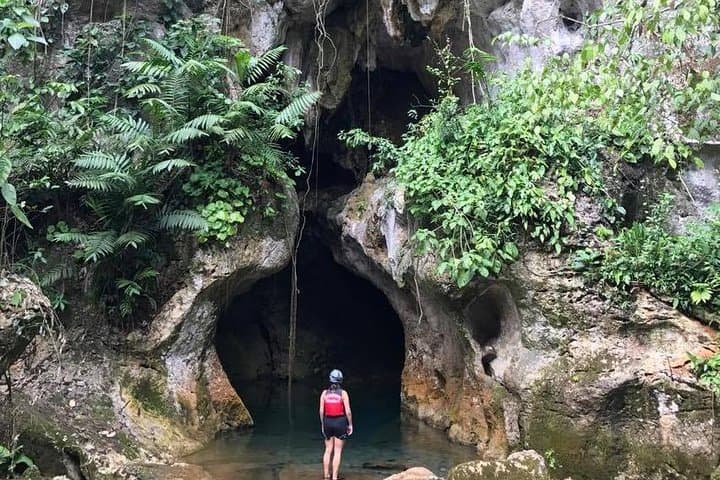
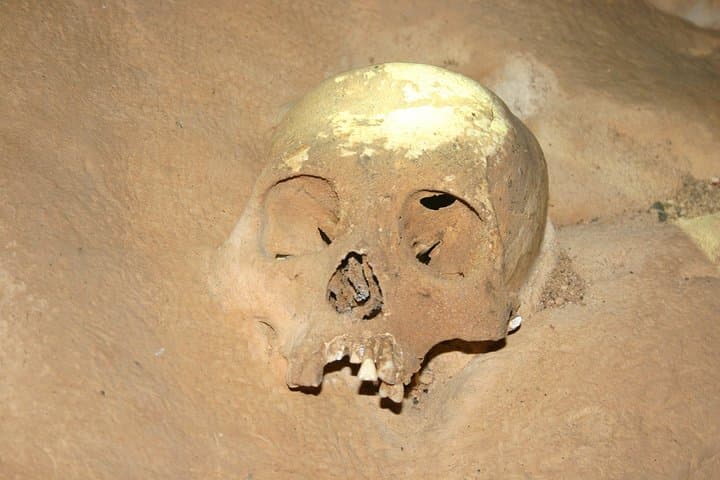
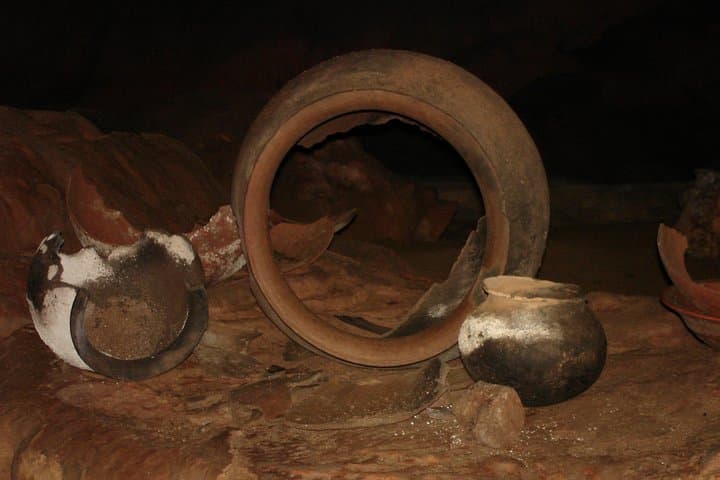
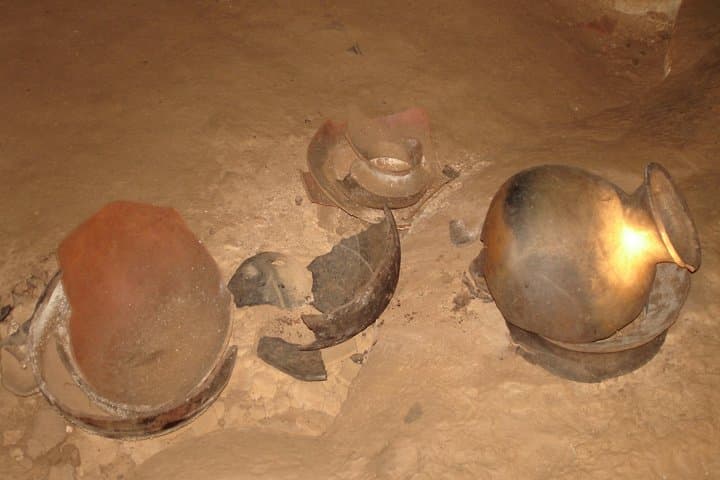
The river slips from daylight into cobalt shadow and the guide’s flashlight slices a thin lane through dripping stone. Feet hit cool water, lungs tighten with anticipation, and the world as Maya priests once knew it separates into three realms: stars above, the living earth, and Xibalba, the dark underworld below. On a full-day trip to Actun Tunichil Muknal (ATM), travelers move deliberately between those borders — swimming a clear channel, climbing over collapsed boulders and entering a chamber where calcified offerings and human remains still hold the silence of ceremony.
The river slips from daylight into cobalt shadow and the guide’s flashlight slices a thin lane through dripping stone. Feet hit cool water, lungs tighten with anticipation, and the world as Maya priests once knew it separates into three realms: stars above, the living earth, and Xibalba, the dark underworld below. On a full-day trip to Actun Tunichil Muknal (ATM), travelers move deliberately between those borders — swimming a clear channel, climbing over collapsed boulders and entering a chamber where calcified offerings and human remains still hold the silence of ceremony.
ATM sits in Belize’s Cayo District, a limestone cave system carved by groundwater over millennia. The cave’s passages preserve both geology and ritual: flowstones and soda straws descend from the roof while ancient deposits record floods and slow mineral growth. Archaeologically, ATM is extraordinary — Maya artefacts and sacrificial deposits were left in situ for centuries, and the site offers a rare, tangible connection to beliefs about death and the afterlife.
Culturally the trip is guided by locals who frame the cave not as a spectacle but as a sacred place. Guides translate the stone language — a low chamber denotes offering, a deep pool suggests an entrance to Xibalba — and they emphasize rules: no touching, no flash photography, and respectful movement through rooms that are both fragile and meaningful.
The practical side demands attention. The tour operates as a long, physical day: expect several swims in waist- to chest-deep water, scrambling over wet boulder breakdowns, and standing on rough, sometimes slippery surfaces. You’ll need close-toed shoes that can handle water and rock, a full change of clothes, and the fitness to hike and move confidently under exertion.
Timing matters: start early to avoid heat and to beat fatigue on the return hike. Bring a reusable water bottle, insect repellent, and a small dry bag for essentials. The tour is best for travelers who are steady swimmers, comfortable in confined spaces, and who can follow strict instructions to preserve archaeology.
For photographers, the cave’s low light and the prohibition on flash mean the most compelling images are taken outside on approach or from respectful distances of formations using long exposures where allowed. Above ground, the surrounding secondary forest and creek make good bookends to the underground experience.
ATM is immersive in a way few sites are: it pairs raw geological time scales with human ritual practice. Come prepared, move with care, and the cave will reveal both its natural architecture and the quiet of a place where the Maya met the underworld.