THE ADVENTURE COLLECTIVE® · Independent discovery and booking for outdoor travel

Wade into a river-lit passage and step into a space where geology and ritual intersect. Actun Tunichil Muknal offers one of Belize’s most powerful cave experiences—where Maya artifacts and skeletal remains sit in near-original contexts beneath a canopy of stone.
Wade into a river-lit passage and step into a space where geology and ritual intersect. Actun Tunichil Muknal offers one of Belize’s most powerful cave experiences—where Maya artifacts and skeletal remains sit in near-original contexts beneath a canopy of stone.
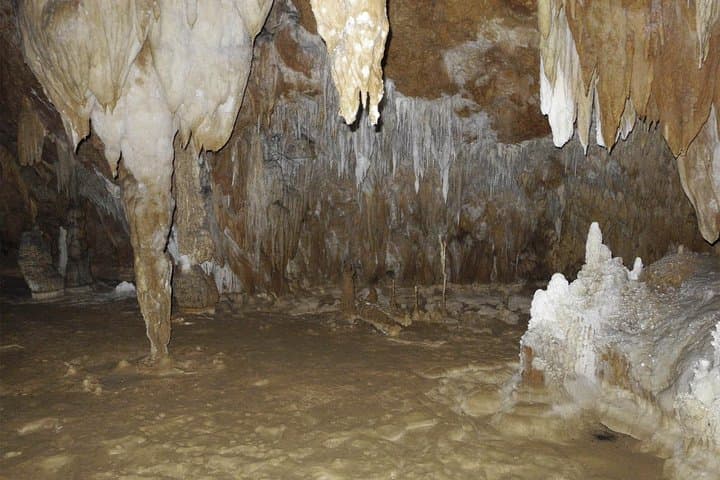
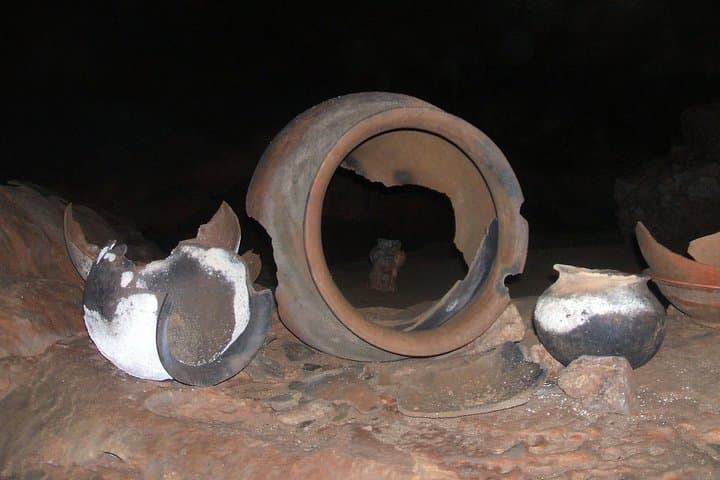
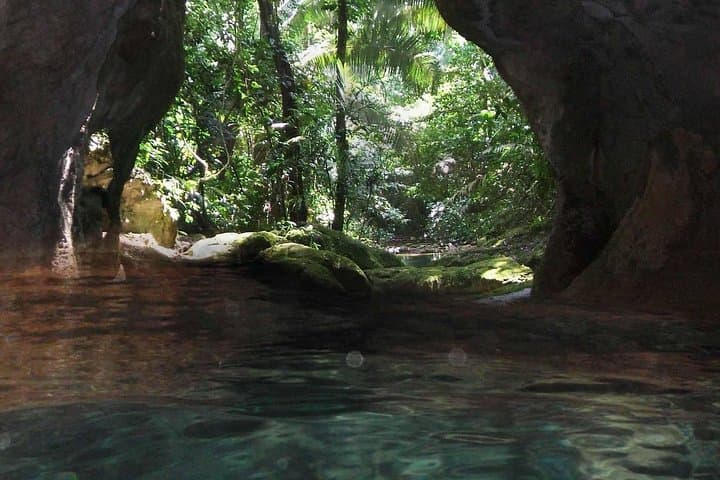
The first thing you notice on the approach is the valley narrowing and the forest growing louder—leaves flicking like an audience. A shallow river meets the cave mouth and dares you forward; the jungle seems to close ranks behind you as guides check straps and switch on lamps. Inside, the cave goes quiet except for the drip of water and the cautious footsteps of visitors moving past calcite columns and the turned shapes of ancient ceramics.
Verified experiences and guided adventures in the surrounding area.
Operated by Private Belize Adventure · San Ignacio, Cayo District
The first thing you notice on the approach is the valley narrowing and the forest growing louder—leaves flicking like an audience. A shallow river meets the cave mouth and dares you forward; the jungle seems to close ranks behind you as guides check straps and switch on lamps. Inside, the cave goes quiet except for the drip of water and the cautious footsteps of visitors moving past calcite columns and the turned shapes of ancient ceramics.
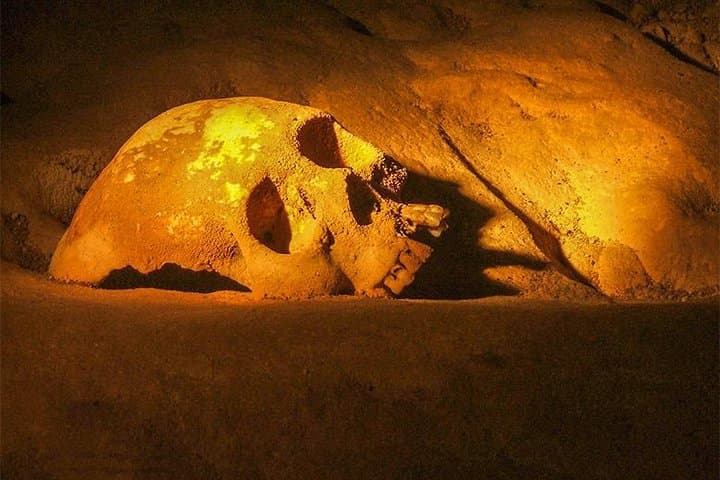
Actun Tunichil Muknal, commonly called ATM Cave, is both landscape and archive: a limestone cavern formed by millennia of acidic water slicing through karst, and a ritual space the Classic Maya treated as a doorway to the underworld. The cave's passages expose stalactites, flowstone curtains, and naturally polished floors where offerings once rested. More striking—and solemn—are the human remains and pottery that survive in near-pristine condition because the cave is dry in many chambers and protected from modern contamination.
Geologically, ATM is a classic solutional cave carved from Belize's Cretaceous limestone. Rainwater, slightly acidic from decayed vegetation, hollowed out passages that local Maya later adapted into ceremony routes. Archaeologists date many deposits and artifacts to around 1,000 years ago; Chaac, the rain god, was a frequent focus of offerings in these subterranean shrines.
Culturally, visiting is part exploration and part classroom. Guides offer careful interpretation—explaining ritual practices while managing respect for fragile contexts. Belizean regulations restrict touching and photography in sensitive rooms, so the experience emphasizes presence: light, silence, and the sense of standing where people once made impossible journeys to speak with the gods.
Practicalities matter here. Expect a full day: hotel pickup in Belize City, a drive toward Cayo, a jungle walk, river wading, and scrambling on wet cave rock. Minimum age is 8; pregnant guests and those with back or heart issues should not attempt the trip. Come in clothing that can get wet and shoes that grip—trail runners or sturdy water shoes are ideal. Bring a small dry bag for essentials, a towel and change of clothes, and insect repellent for the approaches. Guides will brief you on strict conservation rules; follow them—this place preserves history because visitors respect it.
Timing is tactical: go early to avoid heat and maximize daylight after the return drive. Listen to the guides, keep your headlamp off in restricted rooms where photo lighting is allowed only in designated areas, and leave nothing behind but footprints. Walk slowly and let the cave set the pace—the river will tell you where to step, and the rock will remind you this is a site of both natural power and human memory.
moderate.
6 hours.
Should be comfortable walking 2–4 miles over uneven, wet terrain and able to wade and scramble short sections
Expect moderate exertion: river wading, short swims in places, and scrambling on wet rock; participants should be able to walk 2–4 miles and negotiate uneven terrain.
Photography is restricted in sensitive chambers to protect artifacts and remains; follow your guide, who will indicate permitted areas.
Minimum age is 8; children must be competent walkers and comfortable with confined, dark spaces.
Wear shoes that can get wet with good tread, quick-dry clothes, insect repellent, sunscreen for approaches, and a small dry bag for personal items.
Pickup and travel vary by itinerary, but expect a multi-hour journey—often 2–3 hours each way including transfers—so the tour is a full-day outing.
Not recommended for pregnant travelers or those with significant back, heart, or claustrophobia issues; disclose health concerns when booking.
ATM Cave was a ceremonial complex for the Classic Maya; archaeologists have recovered ceramics, carved stoneware, and human remains linked to ritual offerings to deities like Chaac.
Strict no-touch rules and guided access help preserve fragile artifacts; visitors are required to follow trails and minimize impact to protect archaeological context.
Private Belize Adventure operates guided outdoor trips and adventures with an emphasis on safety, stewardship, and memorable experiences.
The first thing you notice on the approach is the valley narrowing and the forest growing louder—leaves flicking like an audience. A shallow river meets the cave mouth and dares you forward; the jungle seems to close ranks behind you as guides check straps and switch on lamps. Inside, the cave goes quiet except for the drip of water and the cautious footsteps of visitors moving past calcite columns and the turned shapes of ancient ceramics.
The first thing you notice on the approach is the valley narrowing and the forest growing louder—leaves flicking like an audience. A shallow river meets the cave mouth and dares you forward; the jungle seems to close ranks behind you as guides check straps and switch on lamps. Inside, the cave goes quiet except for the drip of water and the cautious footsteps of visitors moving past calcite columns and the turned shapes of ancient ceramics.
Actun Tunichil Muknal, commonly called ATM Cave, is both landscape and archive: a limestone cavern formed by millennia of acidic water slicing through karst, and a ritual space the Classic Maya treated as a doorway to the underworld. The cave's passages expose stalactites, flowstone curtains, and naturally polished floors where offerings once rested. More striking—and solemn—are the human remains and pottery that survive in near-pristine condition because the cave is dry in many chambers and protected from modern contamination.
Geologically, ATM is a classic solutional cave carved from Belize's Cretaceous limestone. Rainwater, slightly acidic from decayed vegetation, hollowed out passages that local Maya later adapted into ceremony routes. Archaeologists date many deposits and artifacts to around 1,000 years ago; Chaac, the rain god, was a frequent focus of offerings in these subterranean shrines.
Culturally, visiting is part exploration and part classroom. Guides offer careful interpretation—explaining ritual practices while managing respect for fragile contexts. Belizean regulations restrict touching and photography in sensitive rooms, so the experience emphasizes presence: light, silence, and the sense of standing where people once made impossible journeys to speak with the gods.
Practicalities matter here. Expect a full day: hotel pickup in Belize City, a drive toward Cayo, a jungle walk, river wading, and scrambling on wet cave rock. Minimum age is 8; pregnant guests and those with back or heart issues should not attempt the trip. Come in clothing that can get wet and shoes that grip—trail runners or sturdy water shoes are ideal. Bring a small dry bag for essentials, a towel and change of clothes, and insect repellent for the approaches. Guides will brief you on strict conservation rules; follow them—this place preserves history because visitors respect it.
Timing is tactical: go early to avoid heat and maximize daylight after the return drive. Listen to the guides, keep your headlamp off in restricted rooms where photo lighting is allowed only in designated areas, and leave nothing behind but footprints. Walk slowly and let the cave set the pace—the river will tell you where to step, and the rock will remind you this is a site of both natural power and human memory.