THE ADVENTURE COLLECTIVE® · Independent discovery and booking for outdoor travel

Move from windswept volcanic rims to humid Amazonian riverbanks on this active 8‑day Ecuador loop. Hike, bike, canyon and paddle while learning from local communities and staying at eco-lodges.
Move from windswept volcanic rims to humid Amazonian riverbanks on this active 8‑day Ecuador loop. Hike, bike, canyon and paddle while learning from local communities and staying at eco-lodges.
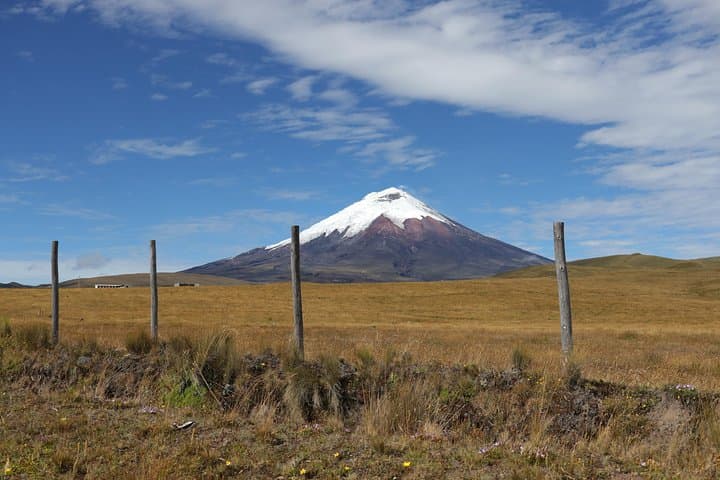
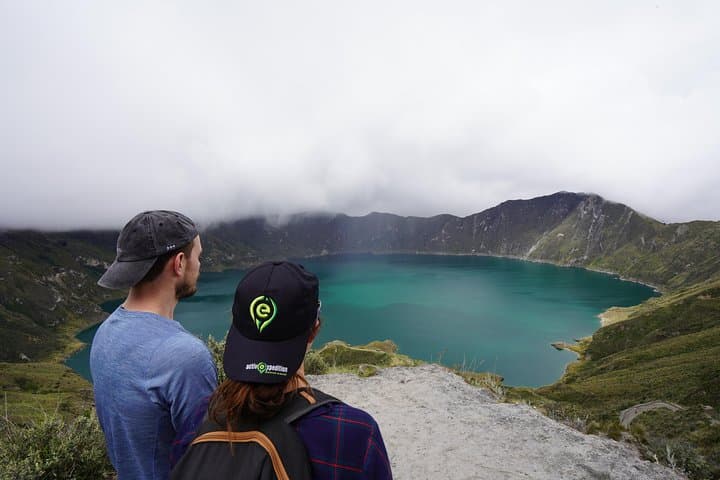
A cold morning in the Andean highlands, and the first step out of Quito gives you a raw view: Cotopaxi’s cone watches over the road while Quilotoa’s crater lake grips the valley like a deep blue eye. On this loop you move fast between ecosystems — páramo grasses, abrupt volcanic rims, then rainforest that pushes at the road with humid air and the constant percussion of insects and birds.
Verified experiences and guided adventures in the surrounding area.
Operated by Activexpedition · Quito, Pichincha
A cold morning in the Andean highlands, and the first step out of Quito gives you a raw view: Cotopaxi’s cone watches over the road while Quilotoa’s crater lake grips the valley like a deep blue eye. On this loop you move fast between ecosystems — páramo grasses, abrupt volcanic rims, then rainforest that pushes at the road with humid air and the constant percussion of insects and birds.
Geology here is visible and immediate. The northern Andes are young, rising through tectonic collision and persistent volcanism; Quilotoa is a flooded caldera, Cotopaxi an active composite volcano. Cultural threads run parallel: Quechua-speaking highland communities maintain haciendas and mountain farming, while Kichwa people in the Amazon preserve river-based livelihoods and medicinal plant knowledge.
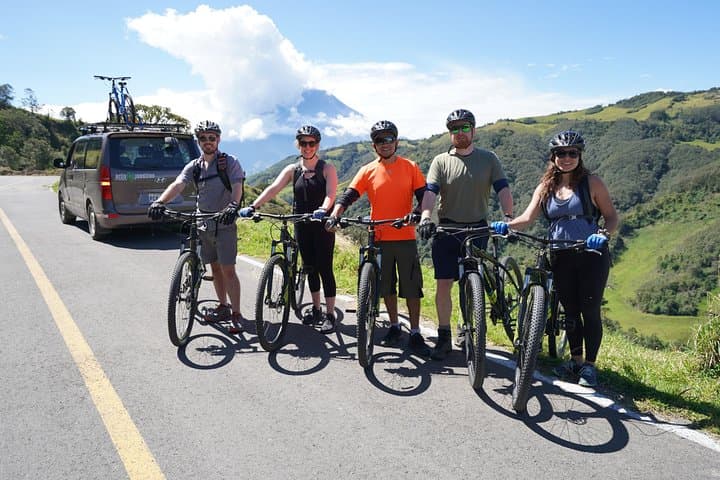
Expect a program of hikes on crater rims, a high-altitude trek in Cotopaxi National Park, road biking through Llanganates foothills, canyoning near Baños, and multi-day jungle walks and paddling on the Arajuno. Guides introduce blowgun technique, chocolate-making, and village visits that emphasize reciprocal exchange rather than spectacle.
Practical guidance: acclimatize at Quito’s elevation for 24–48 hours, start active days early for cooler conditions and clearer light, and pack layers for rapid temperature swings. Footwear must handle volcanic scree, muddy rainforest trails, and wet canyon rock. Carry water purification, insect repellent, and a small first-aid kit; most technical activities use provided safety gear and professional instruction. Travel here rewards curiosity and respect — arrive ready to move, listen, and step lightly through two very different worlds.
challenging.
8 days.
Participants should have regular aerobic fitness—able to hike 3–6 hours with elevation gain and ride moderate road/forest routes.
No—professionally guided sessions include instruction and safety gear; basic swimming comfort is recommended for water activities.
Highland days (Quito, Cotopaxi, Quilotoa) reach 3,000–4,800 m; shortness of breath and headaches are common—acclimatize, hydrate, and avoid alcohol before major hikes.
Typical inclusions are transport between locations, eco-lodge accommodation, some meals, activity gear, park fees, and guide services; check the exact booking page for specifics.
The tour involves active multi-day hiking, biking, and river paddling; it is not recommended for very young children, people with spinal or serious heart conditions, or limited mobility.
Andean highlands are home to Quechua communities shaped by pre-Columbian and colonial agricultural systems; Amazonian settlements maintain river-based traditions and plant knowledge.
The itinerary emphasizes stays at eco-lodges and community projects; travelers should follow leave-no-trace principles and support local guides and conservation fees.
Activexpedition operates guided outdoor trips and adventures with an emphasis on safety, stewardship, and memorable experiences.
A cold morning in the Andean highlands, and the first step out of Quito gives you a raw view: Cotopaxi’s cone watches over the road while Quilotoa’s crater lake grips the valley like a deep blue eye. On this loop you move fast between ecosystems — páramo grasses, abrupt volcanic rims, then rainforest that pushes at the road with humid air and the constant percussion of insects and birds.
A cold morning in the Andean highlands, and the first step out of Quito gives you a raw view: Cotopaxi’s cone watches over the road while Quilotoa’s crater lake grips the valley like a deep blue eye. On this loop you move fast between ecosystems — páramo grasses, abrupt volcanic rims, then rainforest that pushes at the road with humid air and the constant percussion of insects and birds.
Geology here is visible and immediate. The northern Andes are young, rising through tectonic collision and persistent volcanism; Quilotoa is a flooded caldera, Cotopaxi an active composite volcano. Cultural threads run parallel: Quechua-speaking highland communities maintain haciendas and mountain farming, while Kichwa people in the Amazon preserve river-based livelihoods and medicinal plant knowledge.
Expect a program of hikes on crater rims, a high-altitude trek in Cotopaxi National Park, road biking through Llanganates foothills, canyoning near Baños, and multi-day jungle walks and paddling on the Arajuno. Guides introduce blowgun technique, chocolate-making, and village visits that emphasize reciprocal exchange rather than spectacle.
Practical guidance: acclimatize at Quito’s elevation for 24–48 hours, start active days early for cooler conditions and clearer light, and pack layers for rapid temperature swings. Footwear must handle volcanic scree, muddy rainforest trails, and wet canyon rock. Carry water purification, insect repellent, and a small first-aid kit; most technical activities use provided safety gear and professional instruction. Travel here rewards curiosity and respect — arrive ready to move, listen, and step lightly through two very different worlds.