THE ADVENTURE COLLECTIVE® · Independent discovery and booking for outdoor travel

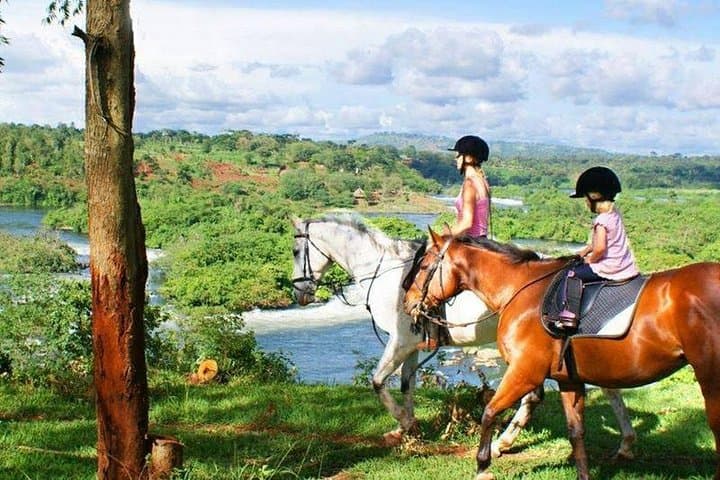
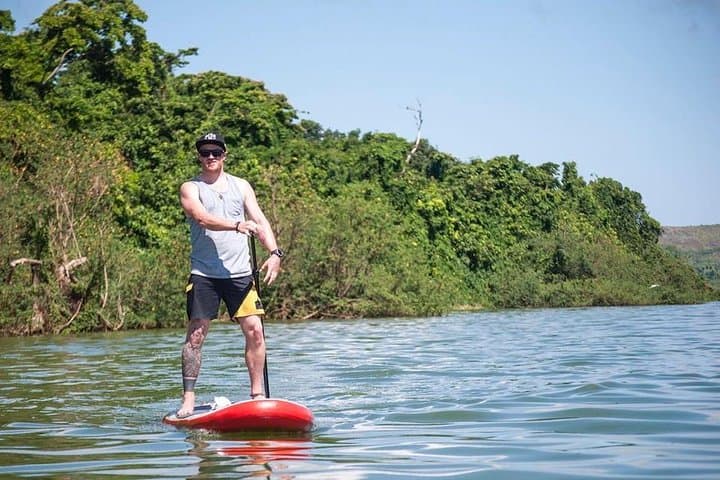
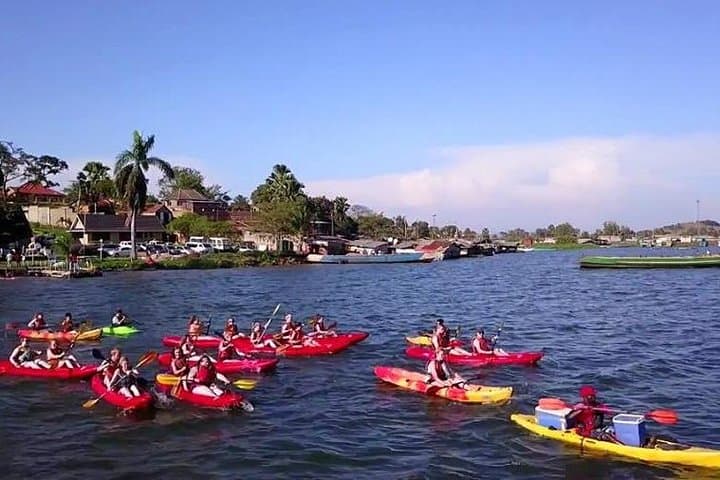
Chase short bursts of river adrenaline and forest canopy speed in Jinja, Uganda. This compact tour bundles horseback riding, ziplining in Mabira Forest, quad-biking, 30-minute whitewater rafting and kayaking around the Nile’s source.
Chase short bursts of river adrenaline and forest canopy speed in Jinja, Uganda. This compact tour bundles horseback riding, ziplining in Mabira Forest, quad-biking, 30-minute whitewater rafting and kayaking around the Nile’s source.
The morning air on the northern shore of Lake Victoria smells of wet mud and diesel; the Nile pushes itself out of the lake and dares you to follow. Stand on the riverbank at the Source of the Nile and you can feel motion—current, commerce, and decades of stories—before you even put on a helmet.
Verified experiences and guided adventures in the surrounding area.
Operated by Opatrip.com Uganda · Jinja, Jinja District
The morning air on the northern shore of Lake Victoria smells of wet mud and diesel; the Nile pushes itself out of the lake and dares you to follow. Stand on the riverbank at the Source of the Nile and you can feel motion—current, commerce, and decades of stories—before you even put on a helmet.
Jinja grew quickly in the 20th century as a transport and hydro hub: Ripon Falls once crashed here before the construction of the Owen Falls Dam (now Nalubaale) altered the river’s character. The geology is straightforward—gently sloped basalts overlain by alluvial deposits—so the Nile flows into a sequence of channels, rapids and cataracts that make short whitewater rides possible. Mabira Forest, a short drive west, is a patch of semi-deciduous rainforest that hosts birds and primates and provides the zipline canopy a verdant backdrop.
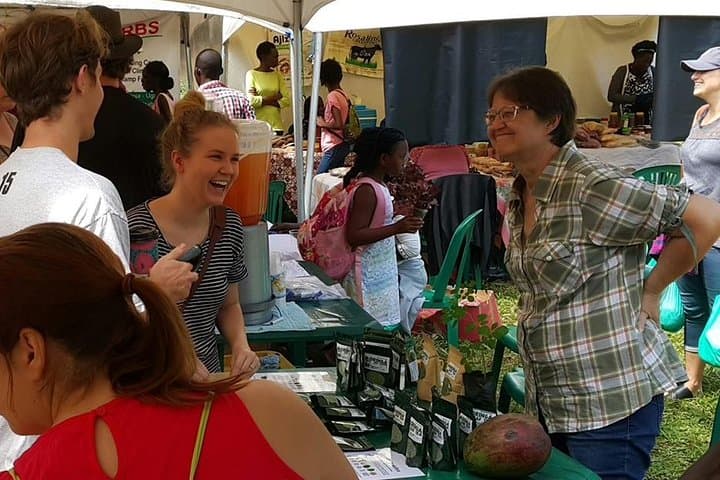
Expect a compact, high-energy afternoon: horseback circuits through town, short quad-bike loops along sandy riverbanks, 30-minute guided whitewater rafting on Class I–III stretches, followed by 30 minutes of flat-water kayaking near the source. Itanda Falls and local markets add culture and pace changes; vendors at Jinja Farmers Market sell fresh fruit and crafts.
Practical advice: wear quick-dry layers and closed-toe shoes that can get wet, bring a swim capability and a secure small daypack, and plan for sun and insects. Transfers and a professional guide are typically included; confirm luggage storage if you continue on. Time your visit earlier in the day for cooler weather and calmer light for photos.
moderate.
3–4 hours.
Moderate fitness required—short bursts of exertion for rafting, hiking short trails, and balance for horseback/quad biking.
Yes—many operators welcome children but age and weight limits apply for rafting and zipline; check provider policies before booking.
Most packages include transfers from central Jinja hotels—confirm pickup location and luggage restrictions when you book.
No prior experience is required; guides run short Class I–III stretches and provide safety briefings and life jackets.
Small bills for purchases, a reusable bag for carry, and a willingness to bargain; photography is usually fine but ask before shooting close portraits.
Jinja transformed after the construction of Owen Falls Dam (mid-20th century), which altered Ripon Falls and powered regional industry; the town grew around river transport and hydroelectric development.
Tour operators increasingly follow river-safe practices—avoid single-use plastics, stick to marked trails in Mabira, and support community-run conservation and craft initiatives.
Opatrip.com Uganda operates guided outdoor trips and adventures with an emphasis on safety, stewardship, and memorable experiences.
The morning air on the northern shore of Lake Victoria smells of wet mud and diesel; the Nile pushes itself out of the lake and dares you to follow. Stand on the riverbank at the Source of the Nile and you can feel motion—current, commerce, and decades of stories—before you even put on a helmet.
The morning air on the northern shore of Lake Victoria smells of wet mud and diesel; the Nile pushes itself out of the lake and dares you to follow. Stand on the riverbank at the Source of the Nile and you can feel motion—current, commerce, and decades of stories—before you even put on a helmet.
Jinja grew quickly in the 20th century as a transport and hydro hub: Ripon Falls once crashed here before the construction of the Owen Falls Dam (now Nalubaale) altered the river’s character. The geology is straightforward—gently sloped basalts overlain by alluvial deposits—so the Nile flows into a sequence of channels, rapids and cataracts that make short whitewater rides possible. Mabira Forest, a short drive west, is a patch of semi-deciduous rainforest that hosts birds and primates and provides the zipline canopy a verdant backdrop.
Expect a compact, high-energy afternoon: horseback circuits through town, short quad-bike loops along sandy riverbanks, 30-minute guided whitewater rafting on Class I–III stretches, followed by 30 minutes of flat-water kayaking near the source. Itanda Falls and local markets add culture and pace changes; vendors at Jinja Farmers Market sell fresh fruit and crafts.
Practical advice: wear quick-dry layers and closed-toe shoes that can get wet, bring a swim capability and a secure small daypack, and plan for sun and insects. Transfers and a professional guide are typically included; confirm luggage storage if you continue on. Time your visit earlier in the day for cooler weather and calmer light for photos.