THE ADVENTURE COLLECTIVE® · Independent discovery and booking for outdoor travel

Spend six active days island hopping in the Galápagos—snorkel with sea lions, walk Tortuga Bay, explore Tintoreras and the wetlands around Puerto Ayora. This itinerary mixes short hikes, boat transfers and guided wildlife encounters suitable for travelers comfortable in water.
Spend six active days island hopping in the Galápagos—snorkel with sea lions, walk Tortuga Bay, explore Tintoreras and the wetlands around Puerto Ayora. This itinerary mixes short hikes, boat transfers and guided wildlife encounters suitable for travelers comfortable in water.
You step off the skiff onto sun-warmed black lava, the Pacific pressing close and bright; a marine iguana blinks and returns to its rock, and the current seems to dare you toward the next cove. Over six days you move between islands—short boat hops punctuated by snorkels at Tintoreras, sandy walks at Tortuga Bay, and quiet wetland watches where flamingos feed.
Verified experiences and guided adventures in the surrounding area.
You step off the skiff onto sun-warmed black lava, the Pacific pressing close and bright; a marine iguana blinks and returns to its rock, and the current seems to dare you toward the next cove. Over six days you move between islands—short boat hops punctuated by snorkels at Tintoreras, sandy walks at Tortuga Bay, and quiet wetland watches where flamingos feed.
Geology here is blunt and recent: shield volcanoes and cooling lava flows that make sharp shorelines and sheltered bays. Human history on Santa Cruz and nearby is small-scale fishing and agriculture with a growing tourist infrastructure in Puerto Ayora; local guides mix Ecuadorian coastal culture with conservation work driven by the Galápagos National Park. Expect interpretive briefings about endemic species and park rules before each landing.
Practically, this is an active but accessible trip: daily shore excursions typically run 1–4 miles with low elevation change, interspersed with 30–90 minute snorkel swims in currents that can be lively. Bring a reef‑safe sunscreen, a snug snorkel mask, quick‑dry layers, and a reusable water bottle for refills. Timing matters—mornings often offer calmer seas and better light for snorkeling; late afternoons bring cooler winds and dramatic light on lava fields.
Respect distances—sea lions and iguanas are curious but protected—and follow your guide for crossings and landings. With basic swimming comfort and a willingness to move between small boats and rocky shorelines, the Galápagos rewards you with close wildlife contact and a sense of raw island geology that only a multi‑day hop can deliver.
moderate.
6 days.
You should have good basic fitness for daily 1–4 mile shoreline walks, repeated short boat transfers and 30–90 minute snorkel swims.
Yes—bring your passport for immigration checks and to pay the Galápagos National Park entrance fee, which is collected upon arrival.
Transfers vary by route and weather; mornings are often calmer, and guides will advise seating and motion‑sickness precautions.
Yes—many snorkeling stops are accessible for confident swimmers; guides choose sheltered sites for less experienced guests and provide briefings.
This itinerary includes key spots like Tortuga Bay and Tintoreras where sightings of marine iguanas, sea lions, seabirds and, with luck, giant tortoises are common.
The islands formed from volcanic activity of the Nazca and Cocos plates; human settlement is relatively recent and small, centered on fishing villages like Puerto Ayora.
Visits are regulated by Galápagos National Park—sticking to paths, avoiding single‑use plastics and following guide rules help protect fragile habitats and endemic species.
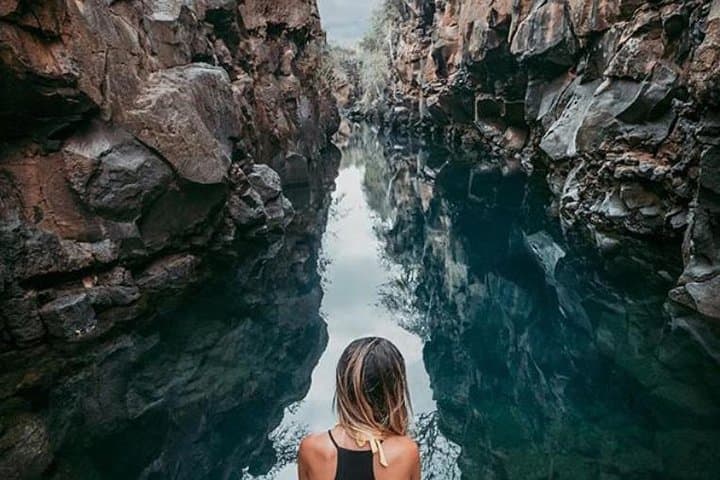
You step off the skiff onto sun-warmed black lava, the Pacific pressing close and bright; a marine iguana blinks and returns to its rock, and the current seems to dare you toward the next cove. Over six days you move between islands—short boat hops punctuated by snorkels at Tintoreras, sandy walks at Tortuga Bay, and quiet wetland watches where flamingos feed.
You step off the skiff onto sun-warmed black lava, the Pacific pressing close and bright; a marine iguana blinks and returns to its rock, and the current seems to dare you toward the next cove. Over six days you move between islands—short boat hops punctuated by snorkels at Tintoreras, sandy walks at Tortuga Bay, and quiet wetland watches where flamingos feed.
Geology here is blunt and recent: shield volcanoes and cooling lava flows that make sharp shorelines and sheltered bays. Human history on Santa Cruz and nearby is small-scale fishing and agriculture with a growing tourist infrastructure in Puerto Ayora; local guides mix Ecuadorian coastal culture with conservation work driven by the Galápagos National Park. Expect interpretive briefings about endemic species and park rules before each landing.
Practically, this is an active but accessible trip: daily shore excursions typically run 1–4 miles with low elevation change, interspersed with 30–90 minute snorkel swims in currents that can be lively. Bring a reef‑safe sunscreen, a snug snorkel mask, quick‑dry layers, and a reusable water bottle for refills. Timing matters—mornings often offer calmer seas and better light for snorkeling; late afternoons bring cooler winds and dramatic light on lava fields.
Respect distances—sea lions and iguanas are curious but protected—and follow your guide for crossings and landings. With basic swimming comfort and a willingness to move between small boats and rocky shorelines, the Galápagos rewards you with close wildlife contact and a sense of raw island geology that only a multi‑day hop can deliver.