THE ADVENTURE COLLECTIVE® · Independent discovery and booking for outdoor travel

A multi-day overland crossing from Bishkek to Dushanbe along the Pamir Highway that pairs high passes, alpine lakes and nomadic culture with hands-on overnight stays in yurts and village guesthouses. Prepare for long drives, high altitude and memorable scenery.
A multi-day overland crossing from Bishkek to Dushanbe along the Pamir Highway that pairs high passes, alpine lakes and nomadic culture with hands-on overnight stays in yurts and village guesthouses. Prepare for long drives, high altitude and memorable scenery.
You climb into an air-conditioned vehicle in Bishkek before dawn and the road soon tightens into high passes, switchbacks and skies that seem to expand with each kilometer. Mountains press close — red scree, green pastures, glaciers rimmed in blue — and you pass shepherds’ yurts like punctuation in a long, wild sentence.
Verified experiences and guided adventures in the surrounding area.
Operated by Visit Alay - Tajikistan tours · Bishkek, Chuy Region
You climb into an air-conditioned vehicle in Bishkek before dawn and the road soon tightens into high passes, switchbacks and skies that seem to expand with each kilometer. Mountains press close — red scree, green pastures, glaciers rimmed in blue — and you pass shepherds’ yurts like punctuation in a long, wild sentence.
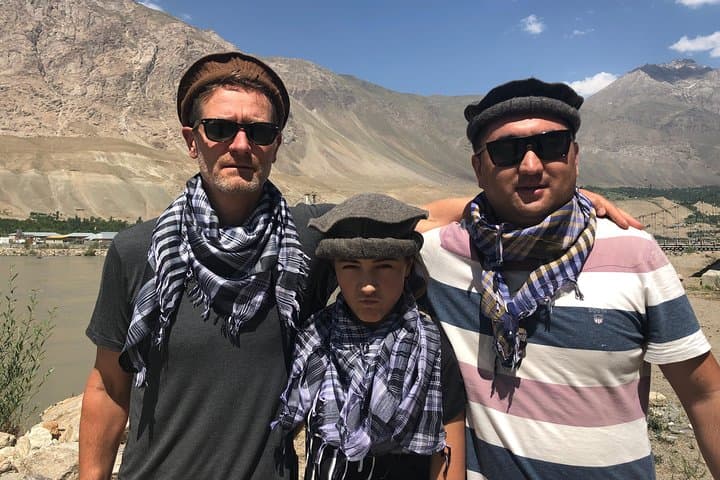
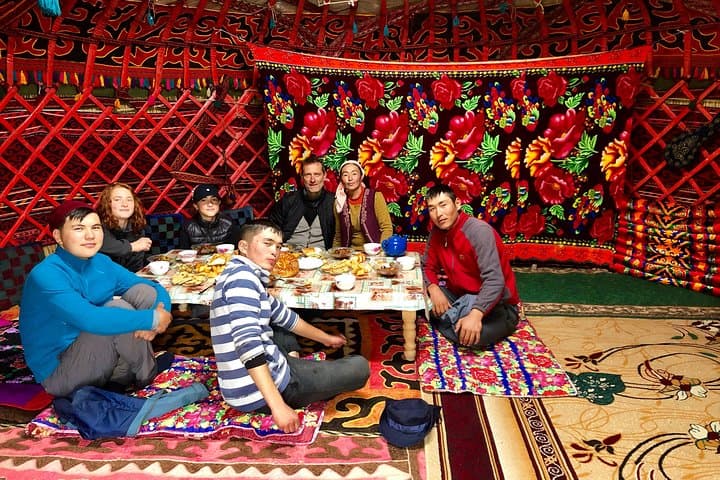
This route traces centuries of Silk Road trade and nomadic movement, then plunges into the geology of the Pamirs and Tian Shan: uplifted crystalline rock, river-carved valleys and high-altitude lakes fed by glacial melt. Cultural detours include 12th‑century Burana Tower, the caravanserai at Tash Rabat, and evenings in family-run yurts where Kyrgyz and Tajik hospitality is direct and practical.
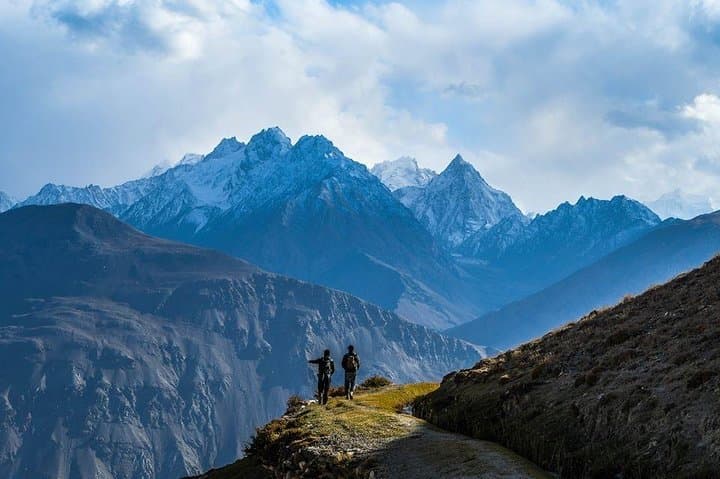
Expect a mix of long driving days and short, scenic hikes — Song Kul’s shoreline strolls, a panorama ridge trek near Bulunkul, and a challenging day ascent to Engels Peak in the Wakhan. Altitude is the defining logistical factor: passes over 4,200–4,600 m are routine and weather can change fast.
Practical edge: pace yourself, drink often, and carry layers for wind and sun. Footwear should be sturdy for rocky trails and wet meadows. Mobile coverage is sporadic; plan for cash, physical permits (GBAO for Tajik stretches) and flexible timing. For travelers seeking a deep, multi-day overland adventure through raw mountain landscapes and living nomadic culture, this is one of Central Asia’s most complete road journeys.
challenging.
13 days.
Good aerobic fitness and experience with multi-day travel at altitude; able to walk 3–6 hours on uneven terrain.
Yes — travelers typically need a GBAO permit to enter Tajikistan’s Gorno-Badakhshan region; check visa and permit requirements well before travel.
Nights alternate between yurts, family-run guesthouses and basic hotels; facilities vary and can be rustic in remote stretches.
Yes — many passes exceed 4,000 m; follow acclimatization guidance, hydrate, and descend if symptoms worsen.
Most of the route uses 4x4-capable roads; operators provide robust vehicles but expect rough surfaces and occasional unpaved sections.
The corridor follows Silk Road routes and Soviet-era highland roads, with caravanserais like Tash Rabat and medieval sites such as Burana marking long human movement.
Fragile alpine ecosystems and glacial sources mean travelers should pack out waste, minimize campfire impact and respect pastoral grazing cycles.
Visit Alay - Tajikistan tours operates guided outdoor trips and adventures with an emphasis on safety, stewardship, and memorable experiences.
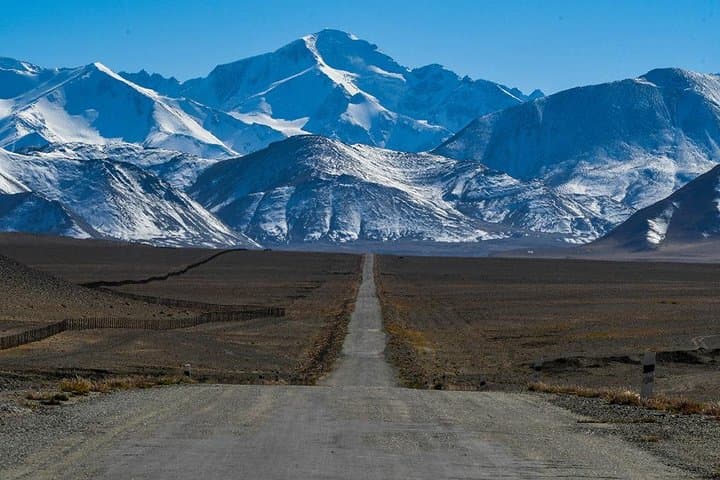
You climb into an air-conditioned vehicle in Bishkek before dawn and the road soon tightens into high passes, switchbacks and skies that seem to expand with each kilometer. Mountains press close — red scree, green pastures, glaciers rimmed in blue — and you pass shepherds’ yurts like punctuation in a long, wild sentence.
You climb into an air-conditioned vehicle in Bishkek before dawn and the road soon tightens into high passes, switchbacks and skies that seem to expand with each kilometer. Mountains press close — red scree, green pastures, glaciers rimmed in blue — and you pass shepherds’ yurts like punctuation in a long, wild sentence.
This route traces centuries of Silk Road trade and nomadic movement, then plunges into the geology of the Pamirs and Tian Shan: uplifted crystalline rock, river-carved valleys and high-altitude lakes fed by glacial melt. Cultural detours include 12th‑century Burana Tower, the caravanserai at Tash Rabat, and evenings in family-run yurts where Kyrgyz and Tajik hospitality is direct and practical.
Expect a mix of long driving days and short, scenic hikes — Song Kul’s shoreline strolls, a panorama ridge trek near Bulunkul, and a challenging day ascent to Engels Peak in the Wakhan. Altitude is the defining logistical factor: passes over 4,200–4,600 m are routine and weather can change fast.
Practical edge: pace yourself, drink often, and carry layers for wind and sun. Footwear should be sturdy for rocky trails and wet meadows. Mobile coverage is sporadic; plan for cash, physical permits (GBAO for Tajik stretches) and flexible timing. For travelers seeking a deep, multi-day overland adventure through raw mountain landscapes and living nomadic culture, this is one of Central Asia’s most complete road journeys.