THE ADVENTURE COLLECTIVE® · Independent discovery and booking for outdoor travel

Three days of shifting landscapes: cross cedar forests and palmeries, ride camels across Erg Chebbi, and sleep under Sahara stars on a small-group journey from Fez to Marrakesh. Practical tips and local insights help you prepare for dunes, desert nights, and long road days.
Three days of shifting landscapes: cross cedar forests and palmeries, ride camels across Erg Chebbi, and sleep under Sahara stars on a small-group journey from Fez to Marrakesh. Practical tips and local insights help you prepare for dunes, desert nights, and long road days.
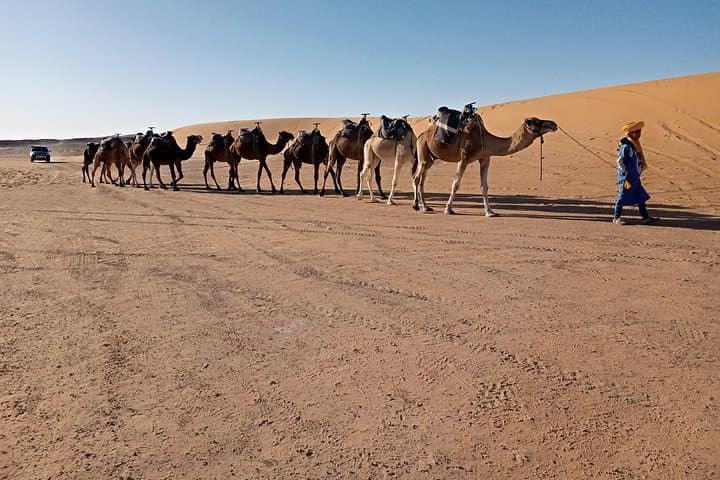
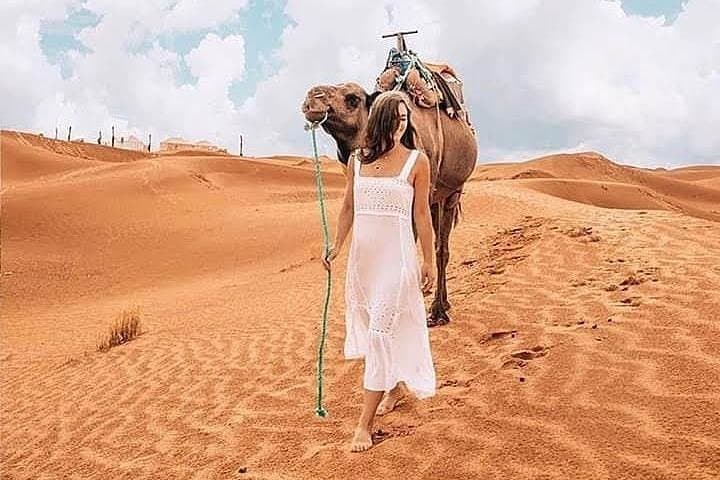
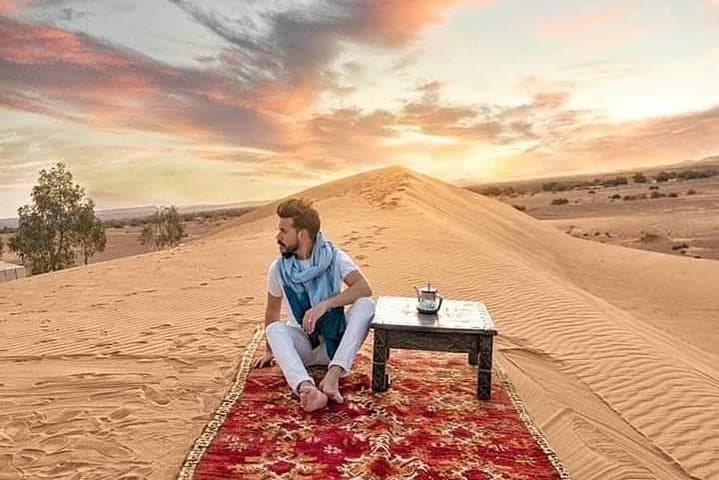
Morning light spills across the cedar forests of the Middle Atlas as you climb into an air-conditioned minivan and head south — towns thin, road curves sharpen, and the air dries. By late afternoon the landscape has changed: palmeries and oases give way to the warm, rolling shoulders of Erg Chebbi. Camels line up like patient ships; dunes lean and shift with the wind, daring you to follow their crest to a desert camp beneath a vast, star-clear sky.
Verified experiences and guided adventures in the surrounding area.
Operated by Fez Excursions · Merzouga, Errachidia Province
Morning light spills across the cedar forests of the Middle Atlas as you climb into an air-conditioned minivan and head south — towns thin, road curves sharpen, and the air dries. By late afternoon the landscape has changed: palmeries and oases give way to the warm, rolling shoulders of Erg Chebbi. Camels line up like patient ships; dunes lean and shift with the wind, daring you to follow their crest to a desert camp beneath a vast, star-clear sky.
This route traces centuries-old caravan corridors and Berber settlements that once linked inland oases with Saharan trade routes. Geologically, Erg Chebbi is a field of wind-shaped sand created by the Atlas Mountains channeling dry airs; dunes rise and fall in slow motion, revealing bands of compacted sand and occasional fossilized terraces. Culturally, expect Berber hospitality — music from Gnawa performers in nearby villages and simple, hearty meals served at camps.
Practically, the trip blends long road days with short, easy hikes on soft sand and a camel trek over dunes. Nights alternate between a comfortable hotel near Merzouga and a desert camp where temperatures can drop sharply after sunset. Bring layered clothing for hot days and cool nights, sturdy closed-toe shoes for walking on rough tracks, and a sense of patience for dust on windy days. Hydration and sun protection are non-negotiable: the desert sun is relentless, and shade is rare.
Timing your visit for shoulder seasons reduces extreme heat and opens crisp mornings for sunrise atop the dunes. Travel with a guide to navigate access to nomadic villages and to support local conservation efforts — the desert rewards those who tread lightly.
easy.
3 days.
Suitable for most fitness levels; you should be able to walk short distances on uneven sand and tolerate multi-hour vehicle transfers.
Camel treks are short to moderate and paced for comfort; riders should be able to mount/disembark with assistance and tolerate sitting for 1–2 hours.
Camps typically offer mattress bedding in tents and shared basic facilities; some camps provide private or ensuite options—confirm at booking.
Local operators generally accommodate common dietary requests if notified in advance; communicate allergies or preferences at booking.
The itinerary is family-friendly and suitable for most ages, but long road days and camel mounts may be challenging for infants or people with serious mobility or heart issues.
This corridor links Middle Atlas settlements to Saharan caravan routes; Berber communities have shaped trade and oasis culture here for centuries.
Dune systems are fragile — stick to established tracks, avoid disturbing flora, and support local guides who practice low-impact camping and water conservation.
Fez Excursions operates guided outdoor trips and adventures with an emphasis on safety, stewardship, and memorable experiences.

Morning light spills across the cedar forests of the Middle Atlas as you climb into an air-conditioned minivan and head south — towns thin, road curves sharpen, and the air dries. By late afternoon the landscape has changed: palmeries and oases give way to the warm, rolling shoulders of Erg Chebbi. Camels line up like patient ships; dunes lean and shift with the wind, daring you to follow their crest to a desert camp beneath a vast, star-clear sky.
Morning light spills across the cedar forests of the Middle Atlas as you climb into an air-conditioned minivan and head south — towns thin, road curves sharpen, and the air dries. By late afternoon the landscape has changed: palmeries and oases give way to the warm, rolling shoulders of Erg Chebbi. Camels line up like patient ships; dunes lean and shift with the wind, daring you to follow their crest to a desert camp beneath a vast, star-clear sky.
This route traces centuries-old caravan corridors and Berber settlements that once linked inland oases with Saharan trade routes. Geologically, Erg Chebbi is a field of wind-shaped sand created by the Atlas Mountains channeling dry airs; dunes rise and fall in slow motion, revealing bands of compacted sand and occasional fossilized terraces. Culturally, expect Berber hospitality — music from Gnawa performers in nearby villages and simple, hearty meals served at camps.
Practically, the trip blends long road days with short, easy hikes on soft sand and a camel trek over dunes. Nights alternate between a comfortable hotel near Merzouga and a desert camp where temperatures can drop sharply after sunset. Bring layered clothing for hot days and cool nights, sturdy closed-toe shoes for walking on rough tracks, and a sense of patience for dust on windy days. Hydration and sun protection are non-negotiable: the desert sun is relentless, and shade is rare.
Timing your visit for shoulder seasons reduces extreme heat and opens crisp mornings for sunrise atop the dunes. Travel with a guide to navigate access to nomadic villages and to support local conservation efforts — the desert rewards those who tread lightly.