THE ADVENTURE COLLECTIVE® · Independent discovery and booking for outdoor travel

In two days you can travel from Robben Island’s stark history to the broad views of Table Mountain and the dramatic cliffs of Cape Point. This guided circuit blends powerful historical interpretation with jaw-dropping coastal scenery and practical tips for making the most of the Cape Peninsula.
In two days you can travel from Robben Island’s stark history to the broad views of Table Mountain and the dramatic cliffs of Cape Point. This guided circuit blends powerful historical interpretation with jaw-dropping coastal scenery and practical tips for making the most of the Cape Peninsula.
The ferry pushes away from Cape Town’s working harbor as Table Mountain rises like a flat-shouldered giant on the horizon. Salt air bites at your face, gulls wheel and the island ahead—Robben Island—holds its own gravity: low, wind-scoured, and full of stories. On day one the tour moves between memory and geology, from the cramped cell where Nelson Mandela lived to the broad, wind-carved ledges of Table Mountain, where clouds spill over the plateau like a slow, white tide.
Verified experiences and guided adventures in the surrounding area.
Operated by Giraffe Horizons · Cape Town, Western Cape
The ferry pushes away from Cape Town’s working harbor as Table Mountain rises like a flat-shouldered giant on the horizon. Salt air bites at your face, gulls wheel and the island ahead—Robben Island—holds its own gravity: low, wind-scoured, and full of stories. On day one the tour moves between memory and geology, from the cramped cell where Nelson Mandela lived to the broad, wind-carved ledges of Table Mountain, where clouds spill over the plateau like a slow, white tide.
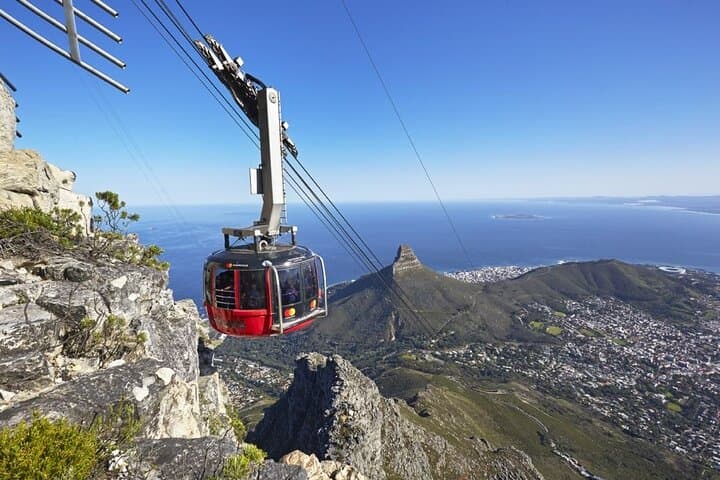
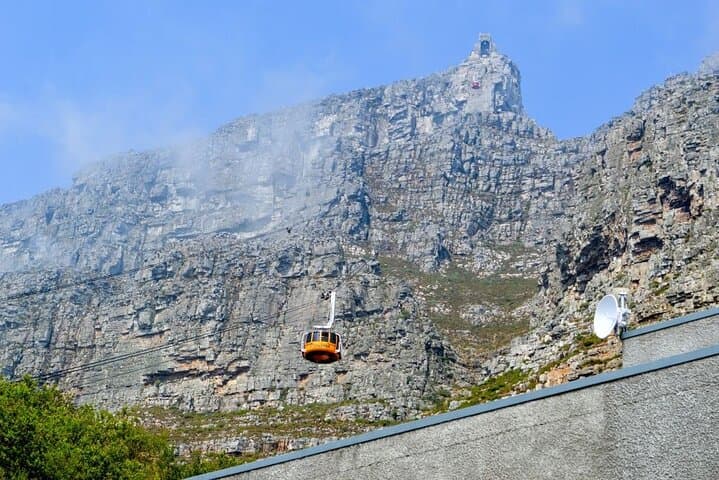
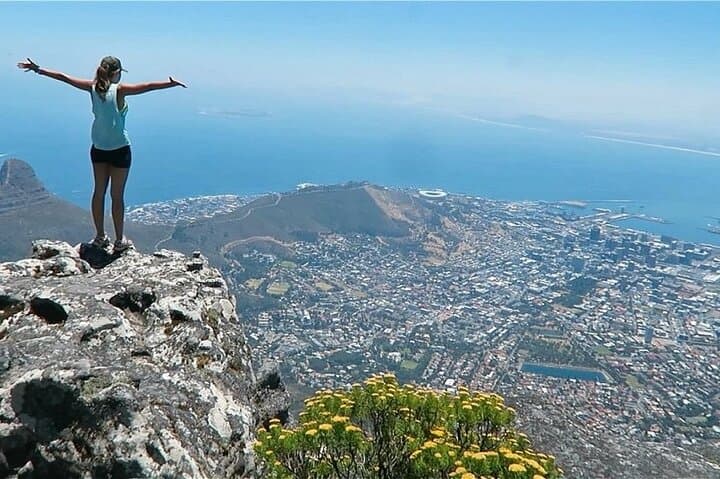
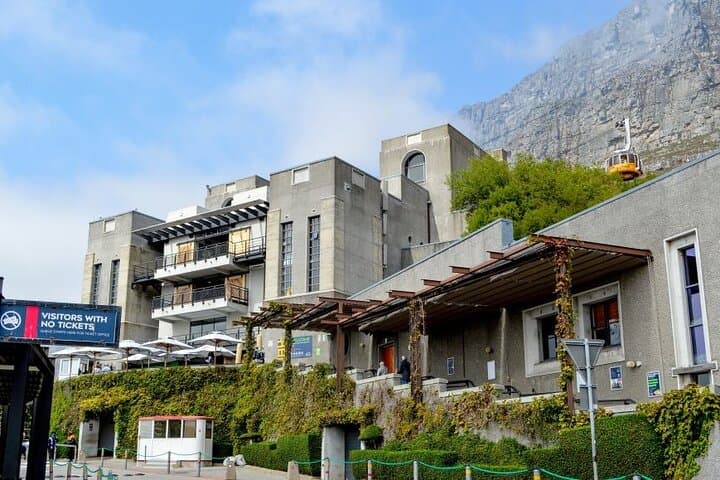
Robben Island’s history is visceral. The guided tour, often led by former political prisoners, turns rooms and quarry walls into immediate lessons about apartheid and resistance. The ferry crossing (roughly 30–45 minutes each way, weather permitting) is a transition from busy modern Cape Town to a landscape that once served as a prison and leper colony. Back on the mainland, the cable car to Table Mountain (1,086 m elevation) delivers immediate, panoramic context—the city, the sweep of False Bay, and the distant Cape Peninsula—reminders that the land shaped the politics and livelihoods of the region.
Day two follows the coastline: Chapman's Peak Drive, a sheer ribbon of cliff and asphalt; Cape Point, where the cliffs dramatize the rivalry between ocean currents; Boulders Beach, where a colony of African penguins claims a handful of sheltered coves; and Groot Constantia, the country’s oldest wine estate, where cultivated vines sit against a backdrop of fynbos scrub.
Geology and biodiversity are always present. Table Mountain is part of an ancient sandstone table, roughly 360 million years in formation, while the Cape Floral Kingdom—one of the world’s smallest but richest plant kingdoms—feeds the slopes with endemic proteas and ericas. Wildlife is unpretentious: rock hyraxes (dassies) sun on boulders, penguins shuffle along boardwalks, and seasonal whale spouts can punctuate the horizon from June to November.
Practical notes: book Robben Island well in advance—spots sell out, and ferries run only in suitable weather. Table Mountain’s cable car may be closed for scheduled maintenance mid-July to early September some years; check dates and have a hiking alternative if you’re fit—the Platteklip Gorge trail climbs roughly 700–800 vertical meters and takes 2.5–4 hours round-trip. Expect long days with a mix of easy walking and short hikes; bring layers for sharp coastal wind, a sun hat, and a refillable water bottle. Respect wildlife rules at Boulders—stay on the boardwalks and keep distance from penguin nests. Transport is by air-conditioned vehicle with organized pick-ups; plan on early starts to maximize light and avoid afternoon gusts at Cape Point.
This two-day circuit compresses South Africa’s layered stories—political, botanical, and marine—into a compact, emotionally resonant encounter. It’s not just sightseeing: the landscape demands attention, and it responds in views and voices you’ll carry home.
moderate.
2 days (full-day excursions each day).
Moderate: comfortable walking and short hikes; able to manage stairs and some uneven terrain
Plan for about 3.5–4 hours total including ferry transfers; the guided tour on the island runs roughly 1–2 hours plus museum time.
No — the cableway closes for maintenance sometimes (often in winter); check the operator’s schedule and consider hiking Platteklip Gorge if it’s closed.
Yes—African penguins are resident year-round, but sightings are best from the boardwalks to avoid disturbing them.
Many components are accessible (V&A Waterfront, some boardwalks, Groot Constantia), but Robben Island and some paths on Table Mountain can include uneven surfaces; check specifics with the operator before booking.
Bring a government-issued ID or passport for Robben Island ferry check-in and for any international travel logistics; the tour provider will confirm requirements.
Expect moderate walking—city stops, boardwalks, and short hikes; Table Mountain options range from a short cable-car visit to a 2–4 hour hike if you choose to trek up.
Robben Island served as a prison and place of exile for centuries; Nelson Mandela’s incarceration there from 1964–1990 made it an international symbol of the anti-apartheid struggle.
The Cape Peninsula contains critically important fynbos and marine protected areas; stick to trails and boardwalks and support local conservation fees when available.
Giraffe Horizons operates guided outdoor trips and adventures with an emphasis on safety, stewardship, and memorable experiences.
The ferry pushes away from Cape Town’s working harbor as Table Mountain rises like a flat-shouldered giant on the horizon. Salt air bites at your face, gulls wheel and the island ahead—Robben Island—holds its own gravity: low, wind-scoured, and full of stories. On day one the tour moves between memory and geology, from the cramped cell where Nelson Mandela lived to the broad, wind-carved ledges of Table Mountain, where clouds spill over the plateau like a slow, white tide.
The ferry pushes away from Cape Town’s working harbor as Table Mountain rises like a flat-shouldered giant on the horizon. Salt air bites at your face, gulls wheel and the island ahead—Robben Island—holds its own gravity: low, wind-scoured, and full of stories. On day one the tour moves between memory and geology, from the cramped cell where Nelson Mandela lived to the broad, wind-carved ledges of Table Mountain, where clouds spill over the plateau like a slow, white tide.
Robben Island’s history is visceral. The guided tour, often led by former political prisoners, turns rooms and quarry walls into immediate lessons about apartheid and resistance. The ferry crossing (roughly 30–45 minutes each way, weather permitting) is a transition from busy modern Cape Town to a landscape that once served as a prison and leper colony. Back on the mainland, the cable car to Table Mountain (1,086 m elevation) delivers immediate, panoramic context—the city, the sweep of False Bay, and the distant Cape Peninsula—reminders that the land shaped the politics and livelihoods of the region.
Day two follows the coastline: Chapman's Peak Drive, a sheer ribbon of cliff and asphalt; Cape Point, where the cliffs dramatize the rivalry between ocean currents; Boulders Beach, where a colony of African penguins claims a handful of sheltered coves; and Groot Constantia, the country’s oldest wine estate, where cultivated vines sit against a backdrop of fynbos scrub.
Geology and biodiversity are always present. Table Mountain is part of an ancient sandstone table, roughly 360 million years in formation, while the Cape Floral Kingdom—one of the world’s smallest but richest plant kingdoms—feeds the slopes with endemic proteas and ericas. Wildlife is unpretentious: rock hyraxes (dassies) sun on boulders, penguins shuffle along boardwalks, and seasonal whale spouts can punctuate the horizon from June to November.
Practical notes: book Robben Island well in advance—spots sell out, and ferries run only in suitable weather. Table Mountain’s cable car may be closed for scheduled maintenance mid-July to early September some years; check dates and have a hiking alternative if you’re fit—the Platteklip Gorge trail climbs roughly 700–800 vertical meters and takes 2.5–4 hours round-trip. Expect long days with a mix of easy walking and short hikes; bring layers for sharp coastal wind, a sun hat, and a refillable water bottle. Respect wildlife rules at Boulders—stay on the boardwalks and keep distance from penguin nests. Transport is by air-conditioned vehicle with organized pick-ups; plan on early starts to maximize light and avoid afternoon gusts at Cape Point.
This two-day circuit compresses South Africa’s layered stories—political, botanical, and marine—into a compact, emotionally resonant encounter. It’s not just sightseeing: the landscape demands attention, and it responds in views and voices you’ll carry home.