THE ADVENTURE COLLECTIVE® · Independent discovery and booking for outdoor travel

Traverse Morocco from Marrakech’s medina to Tangier’s shores in eight days of mountains, kasbahs and desert. Expect long scenic drives, a camel trek into Erg Chebbi and a mix of riads, gorges and blue-washed alleys.
Traverse Morocco from Marrakech’s medina to Tangier’s shores in eight days of mountains, kasbahs and desert. Expect long scenic drives, a camel trek into Erg Chebbi and a mix of riads, gorges and blue-washed alleys.
Morning in Marrakech means spice-scented air and the low din of city life folding into the rising sun. You leave the ochre medina behind and climb the High Atlas, the road curling to Tizi n’Tichka at 2,260 m before the landscape opens to kasbahs, palm oases and the orange swell of Erg Chebbi.
Verified experiences and guided adventures in the surrounding area.
Operated by Morocco Sahara Desert Travel · Marrakech, Marrakech-Safi
Morning in Marrakech means spice-scented air and the low din of city life folding into the rising sun. You leave the ochre medina behind and climb the High Atlas, the road curling to Tizi n’Tichka at 2,260 m before the landscape opens to kasbahs, palm oases and the orange swell of Erg Chebbi.
This eight-day route threads key layers of Morocco: the Atlas geology of folded granites and river-cut valleys; UNESCO-listed Ait Ben Haddou’s mudbrick fortifications; Todra’s canyon walls that rise 300 m and invite short canyon walks or beginner climbs; the Sahara’s dunes where camel caravans and bivouac camps keep an old nomadic rhythm. Fes presents medieval urban fabric and Al-Qarawiyyin’s scholarly legacy, while Chefchaouen’s blue-washed alleys reflect Rif Mountain culture and artisanal crafts.
Expect long driving days—typically 3–6 hours between major stops—broken by photo pulls and short walks. Terrain varies from paved mountain passes to loose sand in the dunes and cobbled medina streets; bring stable footwear and practice basic desert pacing when walking on dunes (erg slopes can rise 50–150 m in short distance). Overnight options range from riads in medinas to a Berber bivouac beneath clear desert skies; mornings and evenings are the most comfortable for activity.
Practical notes: carry layered clothing for cool mountain nights and hot lowlands, a refillable water bottle, sun protection and a small daypack. If you plan on climbing Todra or long hikes, ask about a local guide and confirm luggage transfers for the desert camel segment.
moderate.
8 days.
Suitable for travelers in average fitness; able to manage several short walks, a 1–1.5 hour camel trek and stairs in medinas.
Expect several long transfers—typically 3–6 hours between key stops—broken by guided visits and short walks; the itinerary balances driving with time in towns and the desert.
The standard camel ride to the bivouac is gentle and lasts ~1–1.5 hours at sunset; no previous experience required but mounting/dismounting can be awkward for some.
Accommodations include riads and hotels in cities and a Berber bivouac camp in Merzouga with shared facilities or simple tents under the stars.
Breakfasts are included daily; select dinners are included (itinerary lists 2 dinners) and lunches are typically on the road or at local restaurants.
This route follows centuries-old caravan corridors and imperial cities; Ait Ben Haddou is a fortified ksar that grew along trans-Saharan trade routes and is UNESCO-listed.
The desert ecosystem is fragile — stick to marked camel tracks, avoid disturbing wildlife, and use local water sparingly; choose operators who support local communities and minimize single-use plastics.
Morocco Sahara Desert Travel operates guided outdoor trips and adventures with an emphasis on safety, stewardship, and memorable experiences.

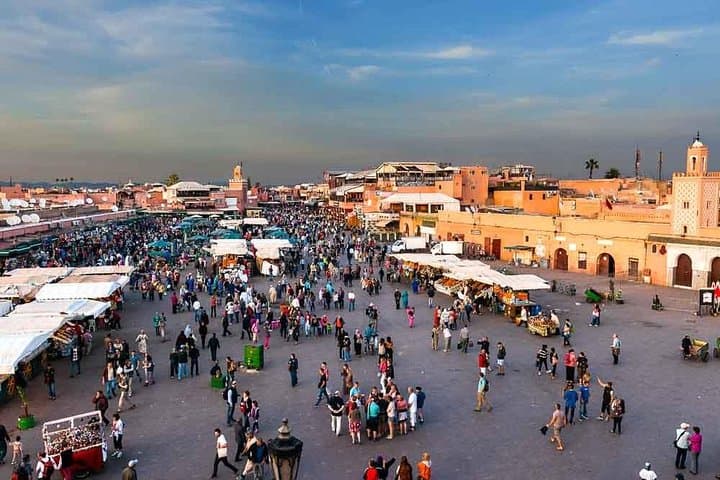


Morning in Marrakech means spice-scented air and the low din of city life folding into the rising sun. You leave the ochre medina behind and climb the High Atlas, the road curling to Tizi n’Tichka at 2,260 m before the landscape opens to kasbahs, palm oases and the orange swell of Erg Chebbi.
Morning in Marrakech means spice-scented air and the low din of city life folding into the rising sun. You leave the ochre medina behind and climb the High Atlas, the road curling to Tizi n’Tichka at 2,260 m before the landscape opens to kasbahs, palm oases and the orange swell of Erg Chebbi.
This eight-day route threads key layers of Morocco: the Atlas geology of folded granites and river-cut valleys; UNESCO-listed Ait Ben Haddou’s mudbrick fortifications; Todra’s canyon walls that rise 300 m and invite short canyon walks or beginner climbs; the Sahara’s dunes where camel caravans and bivouac camps keep an old nomadic rhythm. Fes presents medieval urban fabric and Al-Qarawiyyin’s scholarly legacy, while Chefchaouen’s blue-washed alleys reflect Rif Mountain culture and artisanal crafts.
Expect long driving days—typically 3–6 hours between major stops—broken by photo pulls and short walks. Terrain varies from paved mountain passes to loose sand in the dunes and cobbled medina streets; bring stable footwear and practice basic desert pacing when walking on dunes (erg slopes can rise 50–150 m in short distance). Overnight options range from riads in medinas to a Berber bivouac beneath clear desert skies; mornings and evenings are the most comfortable for activity.
Practical notes: carry layered clothing for cool mountain nights and hot lowlands, a refillable water bottle, sun protection and a small daypack. If you plan on climbing Todra or long hikes, ask about a local guide and confirm luggage transfers for the desert camel segment.