THE ADVENTURE COLLECTIVE® · Independent discovery and booking for outdoor travel

Stand among Parthenon columns and trace ancient Athens from a limestone hilltop, then follow artifacts into the Acropolis Museum. This guide covers timing, tickets and practical tips for a smoother visit.
Stand among Parthenon columns and trace ancient Athens from a limestone hilltop, then follow artifacts into the Acropolis Museum. This guide covers timing, tickets and practical tips for a smoother visit.
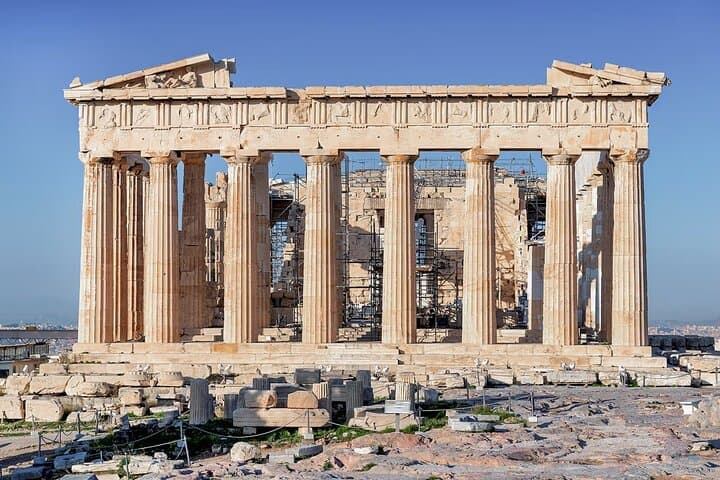
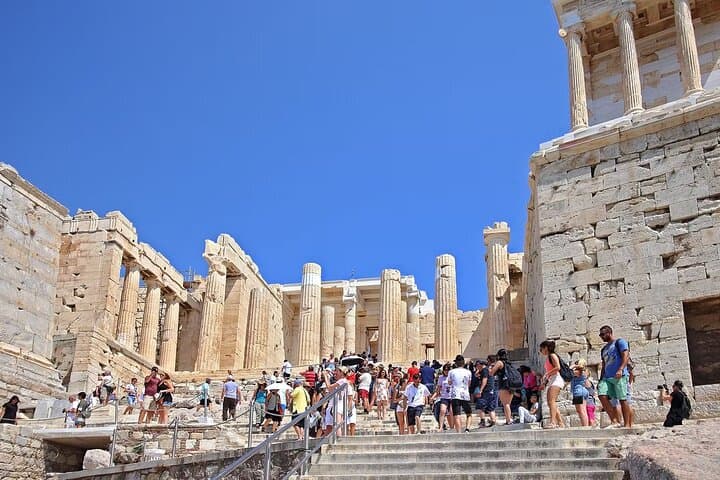
You reach the Acropolis along a worn stone ramp, the city rimming out below and the Parthenon's columns resolving into ordered marble against the sky. Wind moves across the hilltop, carrying the faint city noise and the steady patter of tourist footsteps; the monument demands a slow, observant pace rather than a rush.
Verified experiences and guided adventures in the surrounding area.
Operated by Dream Fly Tourism LLC · Athens, Attica
You reach the Acropolis along a worn stone ramp, the city rimming out below and the Parthenon's columns resolving into ordered marble against the sky. Wind moves across the hilltop, carrying the faint city noise and the steady patter of tourist footsteps; the monument demands a slow, observant pace rather than a rush.
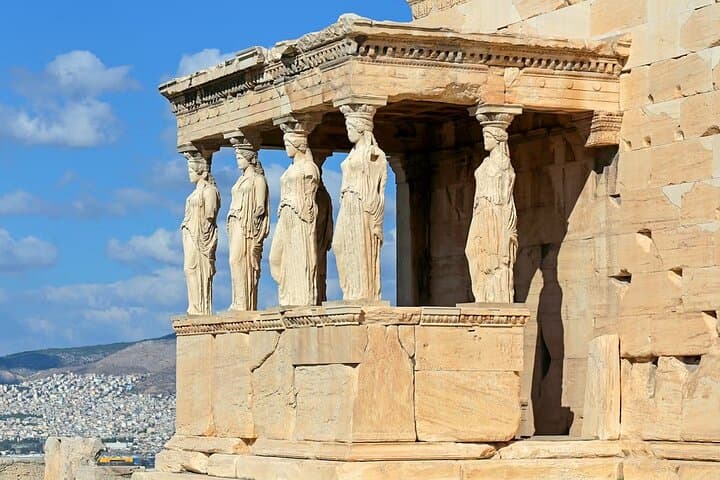
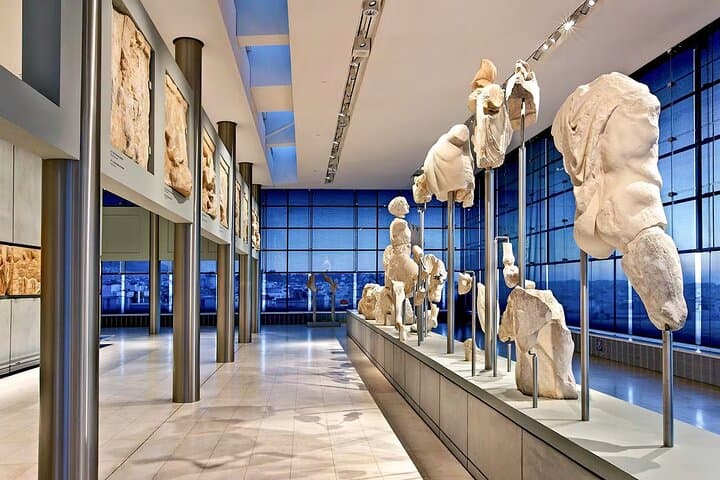
This plateau has been a focal point of Athens since Bronze Age settlements. Geologically a limestone outcrop about 150 meters above sea level, its slopes were fortified in antiquity and repurposed through the Byzantine and Ottoman eras. The Parthenon—a 5th-century BCE Doric temple—anchors the site, while the Acropolis Museum across the street houses sculptures, friezes and everyday objects rescued from archaeological layers and earlier restorations.
Expect uneven marble, steps worn smooth by millennia, and open exposures with little shade. The museum adds context: original sculptures, plaster reconstructions, and glass-floored galleries that show the stratified ruins beneath the modern city.
Practical guidance: book timed-entry tickets and aim for early morning or late afternoon to avoid peak heat and crowds; mobile tickets are accepted but peak slots sell out. Wear sturdy, closed-toe shoes for traction on polished stone, bring 1–2 liters of water, sun protection and modest layers for wind. Allow 1–3 hours to climb, explore the Parthenon platform and visit the museum at a relaxed pace. Audio guides are commonly available in English, Spanish, French and German.
Respect the site: follow barriers, avoid stepping on exposed antiquities and carry out any trash. With planning, a visit feels like walking through layered history rather than a rushed checklist.
easy.
1–3 hours.
Suitable for most fitness levels; requires ability to climb short steep sections and uneven steps.
No — mobile tickets are accepted at both the Acropolis entrance and the Acropolis Museum; have your ticket and ID ready for inspection.
The Acropolis has limited accessibility due to ancient stone and steps; there is an elevator for visitors with reduced mobility—contact site services in advance for assistance.
Plan 1–2 hours on the Acropolis platform and 1–2 hours for the museum, so allocate 2–3 hours total for a comfortable visit.
Photography is generally allowed on the Acropolis and in most museum spaces, but flash and tripods may be restricted in some galleries—follow posted rules.
The Acropolis has been a religious and civic center since the Mycenaean era; the Parthenon was completed in 438 BCE as part of Pericles’ building program in Classical Athens.
Ongoing restoration balances structural stabilization with careful material conservation; visitors should stay behind barriers and avoid touching exposed ancient surfaces to reduce wear.
Dream Fly Tourism LLC operates guided outdoor trips and adventures with an emphasis on safety, stewardship, and memorable experiences.
You reach the Acropolis along a worn stone ramp, the city rimming out below and the Parthenon's columns resolving into ordered marble against the sky. Wind moves across the hilltop, carrying the faint city noise and the steady patter of tourist footsteps; the monument demands a slow, observant pace rather than a rush.
You reach the Acropolis along a worn stone ramp, the city rimming out below and the Parthenon's columns resolving into ordered marble against the sky. Wind moves across the hilltop, carrying the faint city noise and the steady patter of tourist footsteps; the monument demands a slow, observant pace rather than a rush.
This plateau has been a focal point of Athens since Bronze Age settlements. Geologically a limestone outcrop about 150 meters above sea level, its slopes were fortified in antiquity and repurposed through the Byzantine and Ottoman eras. The Parthenon—a 5th-century BCE Doric temple—anchors the site, while the Acropolis Museum across the street houses sculptures, friezes and everyday objects rescued from archaeological layers and earlier restorations.
Expect uneven marble, steps worn smooth by millennia, and open exposures with little shade. The museum adds context: original sculptures, plaster reconstructions, and glass-floored galleries that show the stratified ruins beneath the modern city.
Practical guidance: book timed-entry tickets and aim for early morning or late afternoon to avoid peak heat and crowds; mobile tickets are accepted but peak slots sell out. Wear sturdy, closed-toe shoes for traction on polished stone, bring 1–2 liters of water, sun protection and modest layers for wind. Allow 1–3 hours to climb, explore the Parthenon platform and visit the museum at a relaxed pace. Audio guides are commonly available in English, Spanish, French and German.
Respect the site: follow barriers, avoid stepping on exposed antiquities and carry out any trash. With planning, a visit feels like walking through layered history rather than a rushed checklist.