THE ADVENTURE COLLECTIVE® · Independent discovery and booking for outdoor travel

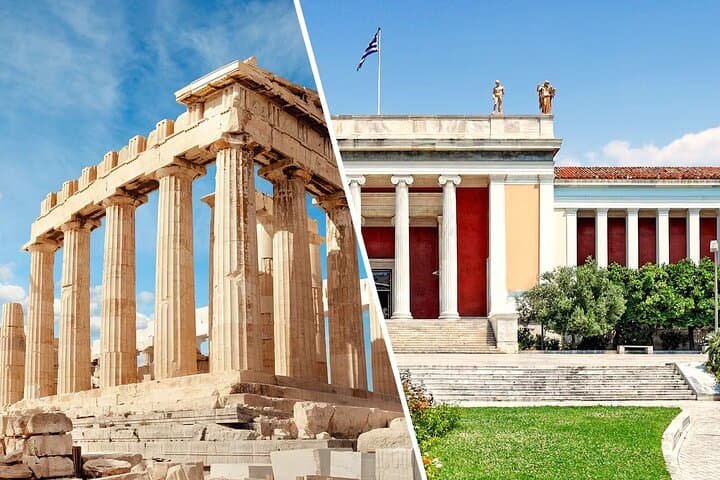
Walk the Parthenon’s ancient marble and then explore Greece’s richest archaeological collection in one day. This combo ticket pairs timed Acropolis access with the National Archaeological Museum for a compact, context-rich Athens experience.
Walk the Parthenon’s ancient marble and then explore Greece’s richest archaeological collection in one day. This combo ticket pairs timed Acropolis access with the National Archaeological Museum for a compact, context-rich Athens experience.
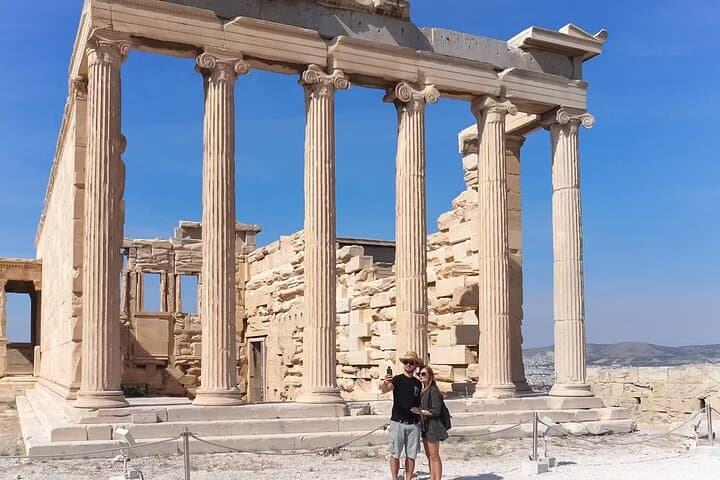
A visitor steps up the worn marble steps and the city opens: white buildings climb the hills, the Aegean breeze dares you toward the battered columns of the Parthenon. From the Acropolis plateau the Parthenon looms — a 5th-century BCE Doric monument still reading the politics and piety of classical Athens — while below, the modern city hums and the sea edge glints.
Verified experiences and guided adventures in the surrounding area.
Operated by Trip Knox Ltd · Athens, Attica
A visitor steps up the worn marble steps and the city opens: white buildings climb the hills, the Aegean breeze dares you toward the battered columns of the Parthenon. From the Acropolis plateau the Parthenon looms — a 5th-century BCE Doric monument still reading the politics and piety of classical Athens — while below, the modern city hums and the sea edge glints.
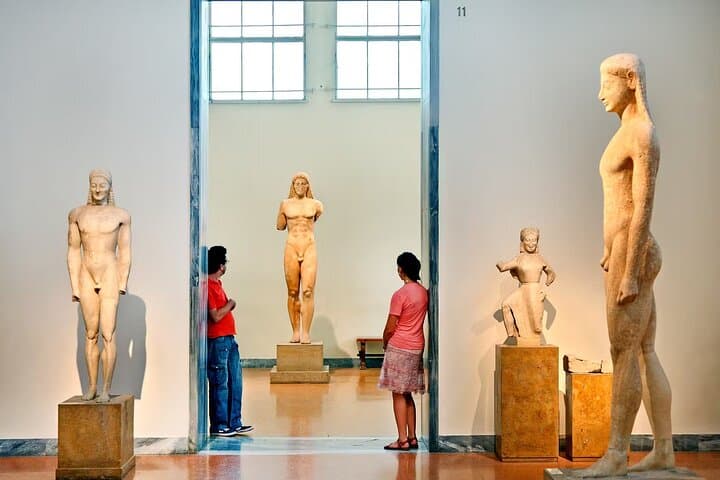
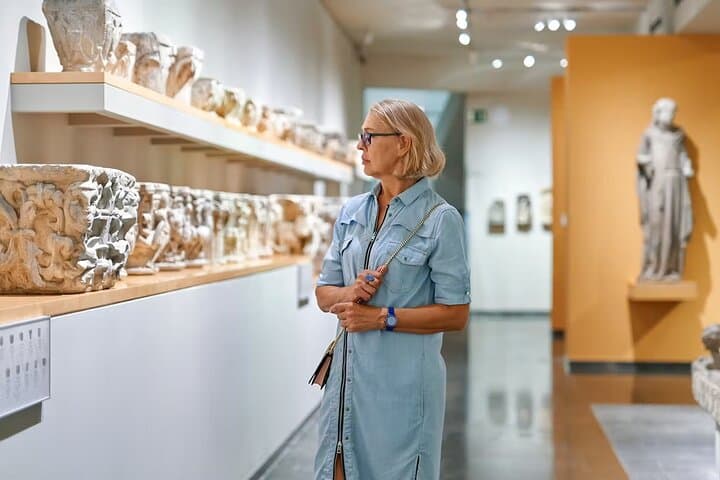
Geology puts the Acropolis on a limestone outcrop that resisted ancient builders and later weather. Archaeology and culture converge here: Pericles’ building program reshaped the skyline in the Age of Pericles, and the National Archaeological Museum collects the material traces — figurines, bronze work, funerary offerings — that flesh out everyday life across millennia.
The combo ticket is pragmatic: timed entry to the Acropolis with self-paced access to ruins and panoramic viewpoints, plus admission to Greece’s largest archaeological collection in Exarcheia. Expect uneven steps, open exposures to sun and wind, and dense crowds in high season. Wear supportive shoes for marble and staircases; carry water and a sun layer; allocate at least three hours to visit both sites without rushing.
Plan morning Acropolis access for softer light and cooler temps, then head to the museum — where frescoes, Cycladic figures, and bronze age artifacts provide context. Buy timed tickets in advance to avoid lines, respect barriers and fragile surfaces, and leave extra time to wander nearby neighborhoods like Plaka for food and local crafts.
easy.
1–4 hours.
Light walking and stair climbing; suitable for most fitness levels but expect some uneven surfaces and steps.
Tickets provide timed entry to the Acropolis and museum but not a guided skip-the-line tour; pre-booking minimizes queue time at peak hours.
The site has steep, uneven steps and limited wheelchair access; there are some alternative paths but visitors with mobility constraints should contact site services for current accessibility options.
Allocate at least 3–4 hours to see the Acropolis and the National Archaeological Museum at a comfortable pace; more time allows for closer study of exhibits and neighborhood exploration.
Small backpacks are allowed but large bags may be subject to inspection or restricted; leave oversized luggage at your hotel or a luggage storage point.
The Periclean building program of the 5th century BCE reshaped the Acropolis into a civic and religious center; many sculptures now sit in museums for preservation.
Visitor numbers and exposure accelerate erosion and pigment loss; follow barriers, avoid touching marble, and use local transportation to reduce impact.
Trip Knox Ltd operates guided outdoor trips and adventures with an emphasis on safety, stewardship, and memorable experiences.
A visitor steps up the worn marble steps and the city opens: white buildings climb the hills, the Aegean breeze dares you toward the battered columns of the Parthenon. From the Acropolis plateau the Parthenon looms — a 5th-century BCE Doric monument still reading the politics and piety of classical Athens — while below, the modern city hums and the sea edge glints.
A visitor steps up the worn marble steps and the city opens: white buildings climb the hills, the Aegean breeze dares you toward the battered columns of the Parthenon. From the Acropolis plateau the Parthenon looms — a 5th-century BCE Doric monument still reading the politics and piety of classical Athens — while below, the modern city hums and the sea edge glints.
Geology puts the Acropolis on a limestone outcrop that resisted ancient builders and later weather. Archaeology and culture converge here: Pericles’ building program reshaped the skyline in the Age of Pericles, and the National Archaeological Museum collects the material traces — figurines, bronze work, funerary offerings — that flesh out everyday life across millennia.
The combo ticket is pragmatic: timed entry to the Acropolis with self-paced access to ruins and panoramic viewpoints, plus admission to Greece’s largest archaeological collection in Exarcheia. Expect uneven steps, open exposures to sun and wind, and dense crowds in high season. Wear supportive shoes for marble and staircases; carry water and a sun layer; allocate at least three hours to visit both sites without rushing.
Plan morning Acropolis access for softer light and cooler temps, then head to the museum — where frescoes, Cycladic figures, and bronze age artifacts provide context. Buy timed tickets in advance to avoid lines, respect barriers and fragile surfaces, and leave extra time to wander nearby neighborhoods like Plaka for food and local crafts.