THE ADVENTURE COLLECTIVE® · Independent discovery and booking for outdoor travel

Climb the steep, sun-baked steps from Lindos village to the Acropolis with a downloadable audio guide and time‑slotted e-ticket. Expect uneven limestone paths, layered ruins from Greek to medieval times, and sweeping sea views—plan for an hour and download the tour before you go.
Climb the steep, sun-baked steps from Lindos village to the Acropolis with a downloadable audio guide and time‑slotted e-ticket. Expect uneven limestone paths, layered ruins from Greek to medieval times, and sweeping sea views—plan for an hour and download the tour before you go.
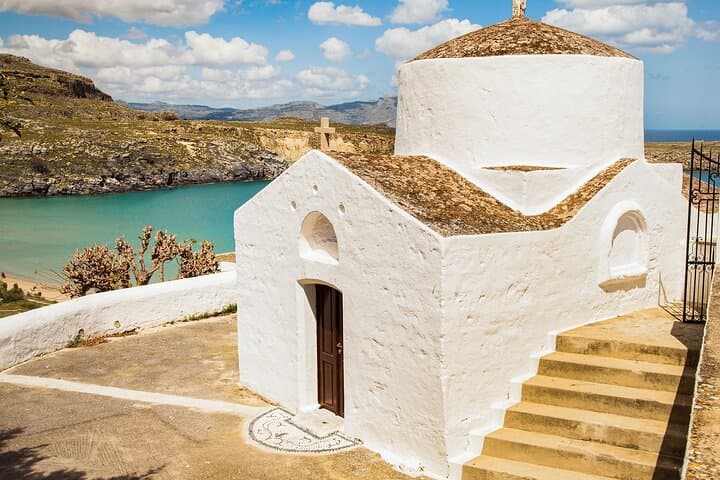
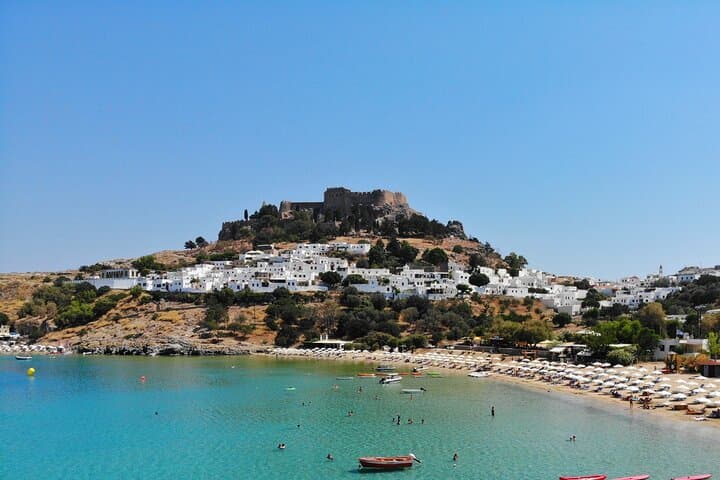
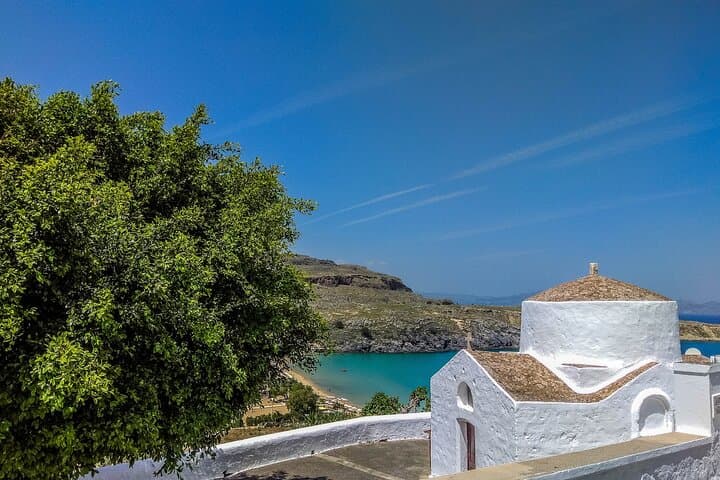
The climb from Lindos village to the Acropolis begins on sun-warmed limestone steps that angle toward the Aegean. White houses fall away below you, the sea pulls at the horizon, and the wind seems intent on rehearsing every ancient story carved into the rock.
Verified experiences and guided adventures in the surrounding area.
Operated by Clio Muse Tours · Lindos, Rhodes
The climb from Lindos village to the Acropolis begins on sun-warmed limestone steps that angle toward the Aegean. White houses fall away below you, the sea pulls at the horizon, and the wind seems intent on rehearsing every ancient story carved into the rock.
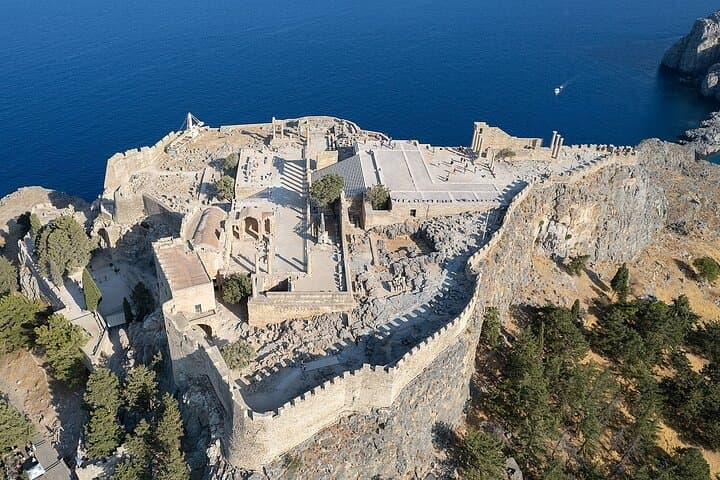
Perched roughly 100–120 meters above the bay, the Acropolis of Lindos layers Classical, Hellenistic and Byzantine remains on a single rocky spur. Its ruins—fortification walls, a Doric stoa, and the scant foundation of the Temple of Athena—trace centuries of strategic importance: Greek sanctuaries, Roman occupation, and medieval fortifications from the Knights of St. John. The local stone is weathered limestone and schist; expect uneven steps, carved grooves and exposed bedrock underfoot.
Culturally, Lindos has long been a crossroads for sailors and traders, and its tiny village still runs on seasonal tourism rhythms—shops and cafes open early and late. The sea here is insistent, its salt spray and wind shaping both coastline and history.
Practically, the e-ticket with downloadable audio gives structured context while leaving you free to move at your pace; the suggested visit time is about an hour. Wear shoes with good grip, carry water, and download the audio and maps before you go—wifi is limited. Visit early morning or late afternoon to avoid heat and crowds, and follow posted rules to protect fragile masonry. Respect restricted areas and leave no trace: the site is both an archaeological resource and a living landscape.
moderate.
1 hour.
Moderate fitness; short, steep uphill walk with many stairs, pauses recommended for anyone with mobility issues.
No—this supplier sends an activation link and the local operator issues the official entry ticket; download or print the final ticket you receive and have it ready.
No; the site has steep, narrow, and uneven steps and is not suitable for standard wheelchairs or visitors with significant mobility limitations.
Plan about 60 minutes to climb, listen to the audio highlights and take in the views; history buffs may want longer for detailed study.
Photography for personal use is allowed, but drones are typically restricted—check local regulations and posted signs before flying.
Lindos has been occupied since antiquity; the Acropolis was an important sacred and defensive site from Archaic Greece through the Byzantine and medieval periods.
The site is protected and sensitive to erosion and foot traffic—stay on marked paths, avoid touching fragile masonry, and support local conservation efforts by following rules.
Clio Muse Tours operates guided outdoor trips and adventures with an emphasis on safety, stewardship, and memorable experiences.
The climb from Lindos village to the Acropolis begins on sun-warmed limestone steps that angle toward the Aegean. White houses fall away below you, the sea pulls at the horizon, and the wind seems intent on rehearsing every ancient story carved into the rock.
The climb from Lindos village to the Acropolis begins on sun-warmed limestone steps that angle toward the Aegean. White houses fall away below you, the sea pulls at the horizon, and the wind seems intent on rehearsing every ancient story carved into the rock.
Perched roughly 100–120 meters above the bay, the Acropolis of Lindos layers Classical, Hellenistic and Byzantine remains on a single rocky spur. Its ruins—fortification walls, a Doric stoa, and the scant foundation of the Temple of Athena—trace centuries of strategic importance: Greek sanctuaries, Roman occupation, and medieval fortifications from the Knights of St. John. The local stone is weathered limestone and schist; expect uneven steps, carved grooves and exposed bedrock underfoot.
Culturally, Lindos has long been a crossroads for sailors and traders, and its tiny village still runs on seasonal tourism rhythms—shops and cafes open early and late. The sea here is insistent, its salt spray and wind shaping both coastline and history.
Practically, the e-ticket with downloadable audio gives structured context while leaving you free to move at your pace; the suggested visit time is about an hour. Wear shoes with good grip, carry water, and download the audio and maps before you go—wifi is limited. Visit early morning or late afternoon to avoid heat and crowds, and follow posted rules to protect fragile masonry. Respect restricted areas and leave no trace: the site is both an archaeological resource and a living landscape.