THE ADVENTURE COLLECTIVE® · Independent discovery and booking for outdoor travel

Spend a full day above Mendoza where the Andes steepen, rivers carve natural bridges, and history follows mountain passes. This high-mountain tour blends geology, Inca traces and San Martín-era sites into an accessible, long-day adventure.
Spend a full day above Mendoza where the Andes steepen, rivers carve natural bridges, and history follows mountain passes. This high-mountain tour blends geology, Inca traces and San Martín-era sites into an accessible, long-day adventure.
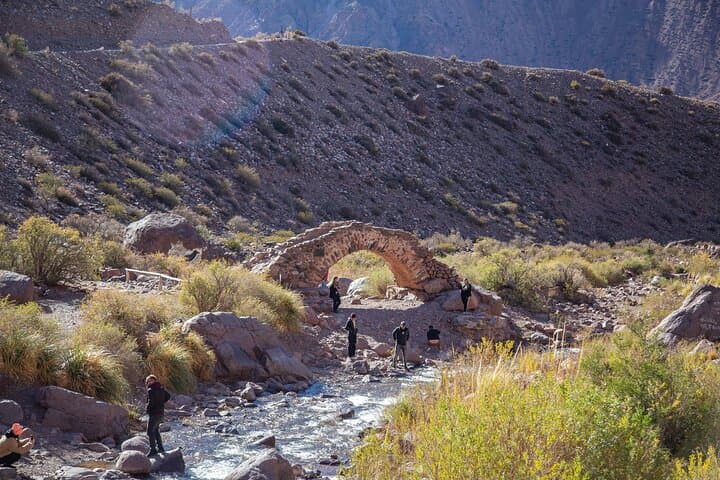
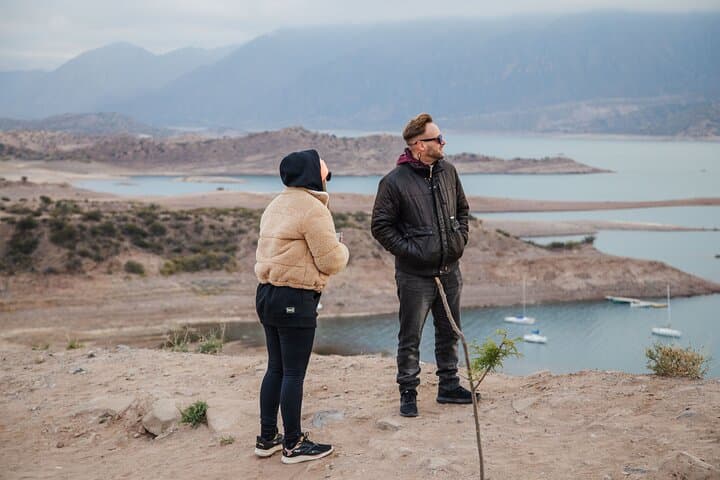
A cold wind pushes across the bus as the city of Mendoza shrinks behind you and the Andes rise like a slow-moving wall. By midmorning, the road climbs past serrated ridgelines and a reservoir whose bright surface dares you to pause; later the river speaks in gravel and sudden pools beneath a natural stone bridge. The day moves at the pace of the mountains — deliberate, wide-angled, and raw.
Verified experiences and guided adventures in the surrounding area.
Operated by Cepas Turismo · Mendoza, Mendoza Province
A cold wind pushes across the bus as the city of Mendoza shrinks behind you and the Andes rise like a slow-moving wall. By midmorning, the road climbs past serrated ridgelines and a reservoir whose bright surface dares you to pause; later the river speaks in gravel and sudden pools beneath a natural stone bridge. The day moves at the pace of the mountains — deliberate, wide-angled, and raw.
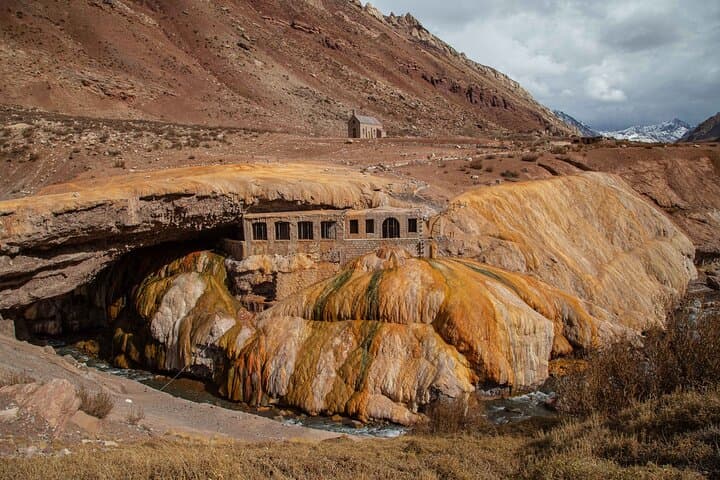
This route threads the Cordón del Plata, the foothills that lead up to Aconcagua — the highest peak in the Americas. Geology here is visible in folded, pale-grey schists and volcanic tuff; human history sits on top of it. The Picheuta Bridge and nearby fort ruins mark the San Martín crossing during the independence campaigns, and older Inca trail traces and Andean markers speak to pre-colonial movement through these passes. Local culture is evident in roadside stands pouring mate and offering hearty empanadas in towns like Uspallata.
Practically: expect a long day (11–13 hours) at altitude — the itinerary climbs to towns above 3,500 m and stops at viewpoints of Aconcagua. Layers are essential: sun and wind alternate quickly. Hydrate before you go and move steadily; even easy walks feel harder at altitude. Facilities are limited outside main towns; pack snacks, sunscreen, and a light daypack. Guides on these tours handle logistics and bilingual explanation, but bring valid ID for border-area formalities. For photographers and active travelers this is a full-sensory introduction to the high Andes — a single day that folds geology, history, and sharp mountain air into one accessible adventure.
moderate.
11–13 hours.
Moderate—suitable for people who can handle a full day of travel and short walks at altitude; those with cardiovascular issues should consult a doctor.
The tour runs about 11–13 hours (660–780 minutes); check your confirmation for the exact pickup time from central Mendoza locations.
The route reaches over 3,500 m; mild symptoms (headache, shortness of breath) are possible—acclimatize, hydrate, and inform your guide if you feel unwell.
Pick-up and transportation are included; lunch at mountain towns is optional and not included, so bring snacks or cash for a local meal.
The tour notes wheelchair accessibility for some stops, but high-elevation terrain and short walks may be challenging—confirm specifics with the operator before booking.
This corridor traces Inca movement and later the San Martín crossing during Argentina’s independence campaigns; stone bridges and forts mark strategic passes.
High-altitude ecosystems are fragile—stay on trails, pack out waste, and respect grazing areas; support local businesses to keep tourism sustainable.
Cepas Turismo operates guided outdoor trips and adventures with an emphasis on safety, stewardship, and memorable experiences.
A cold wind pushes across the bus as the city of Mendoza shrinks behind you and the Andes rise like a slow-moving wall. By midmorning, the road climbs past serrated ridgelines and a reservoir whose bright surface dares you to pause; later the river speaks in gravel and sudden pools beneath a natural stone bridge. The day moves at the pace of the mountains — deliberate, wide-angled, and raw.
A cold wind pushes across the bus as the city of Mendoza shrinks behind you and the Andes rise like a slow-moving wall. By midmorning, the road climbs past serrated ridgelines and a reservoir whose bright surface dares you to pause; later the river speaks in gravel and sudden pools beneath a natural stone bridge. The day moves at the pace of the mountains — deliberate, wide-angled, and raw.
This route threads the Cordón del Plata, the foothills that lead up to Aconcagua — the highest peak in the Americas. Geology here is visible in folded, pale-grey schists and volcanic tuff; human history sits on top of it. The Picheuta Bridge and nearby fort ruins mark the San Martín crossing during the independence campaigns, and older Inca trail traces and Andean markers speak to pre-colonial movement through these passes. Local culture is evident in roadside stands pouring mate and offering hearty empanadas in towns like Uspallata.
Practically: expect a long day (11–13 hours) at altitude — the itinerary climbs to towns above 3,500 m and stops at viewpoints of Aconcagua. Layers are essential: sun and wind alternate quickly. Hydrate before you go and move steadily; even easy walks feel harder at altitude. Facilities are limited outside main towns; pack snacks, sunscreen, and a light daypack. Guides on these tours handle logistics and bilingual explanation, but bring valid ID for border-area formalities. For photographers and active travelers this is a full-sensory introduction to the high Andes — a single day that folds geology, history, and sharp mountain air into one accessible adventure.