THE ADVENTURE COLLECTIVE® · Independent discovery and booking for outdoor travel

A multi-day expedition on the Aconcagua Normal Route that climbs to 6,962 m. Expect long acclimatization treks, high-altitude camping, mule support, and a physically demanding summit push in Argentina’s Central Andes.
A multi-day expedition on the Aconcagua Normal Route that climbs to 6,962 m. Expect long acclimatization treks, high-altitude camping, mule support, and a physically demanding summit push in Argentina’s Central Andes.
The morning light flakes across a ridge of wind-scoured snow as your group files out of Colera Camp, headlamps flicking like patient fireflies. The air is thin enough to make each step deliberate; the mountain seems to breathe around you, pushing and testing resolve. On summit day, trails of bootprints stitch the slope toward a skyline that opens to the Andes’ long spine.
Verified experiences and guided adventures in the surrounding area.
Operated by Peru Expeditions Tours · Mendoza, Mendoza Province
The morning light flakes across a ridge of wind-scoured snow as your group files out of Colera Camp, headlamps flicking like patient fireflies. The air is thin enough to make each step deliberate; the mountain seems to breathe around you, pushing and testing resolve. On summit day, trails of bootprints stitch the slope toward a skyline that opens to the Andes’ long spine.
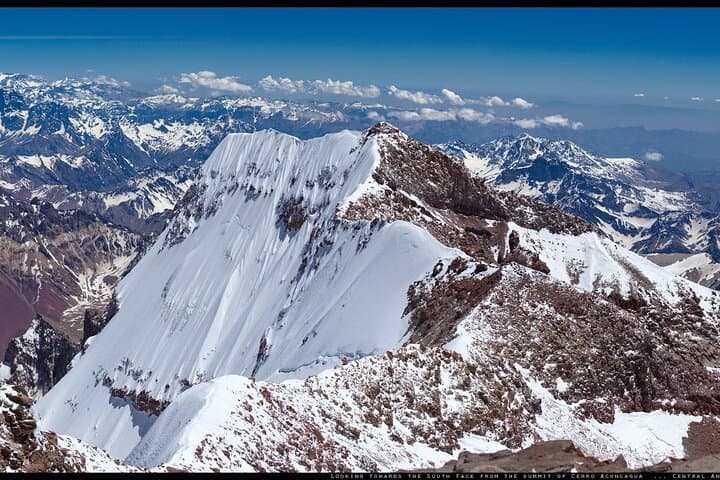
Aconcagua sits at 6,962 m in Argentina’s Central Andes, the continent’s highest point and a landmark of granite, glacial ice and steep weather gradients carved by tectonic uplift. Spanish explorers and indigenous peoples long knew the massif; modern ascents through the Normal Route avoid technical rock faces but still demand extended high-altitude camping, careful acclimatization and respect for rapidly changing storms. Local muleteers and mountain communities around Las Cuevas and Mendoza are part of the route’s logistics, moving gear and conserving traditions of mountain support.
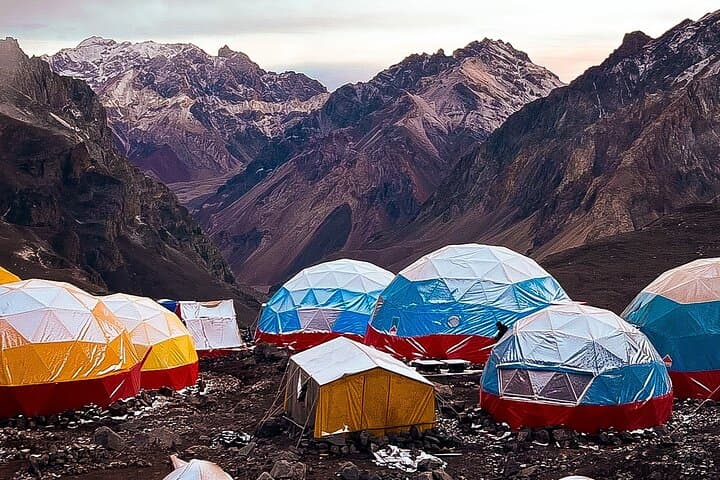
Expect long days of walking (multi-day approach, multiple acclimatization climbs), cold nights in two-person tents, and creaky wind that rearranges thoughts and gear alike. Practical planning matters: allow 2–3 months to organize permits and logistics, train for sustained uphill trekking with a heavy pack, and practice crampon/ice-axe use. Hydrate proactively, layer for big temperature swings, and schedule rest days to lower altitude illness risk.
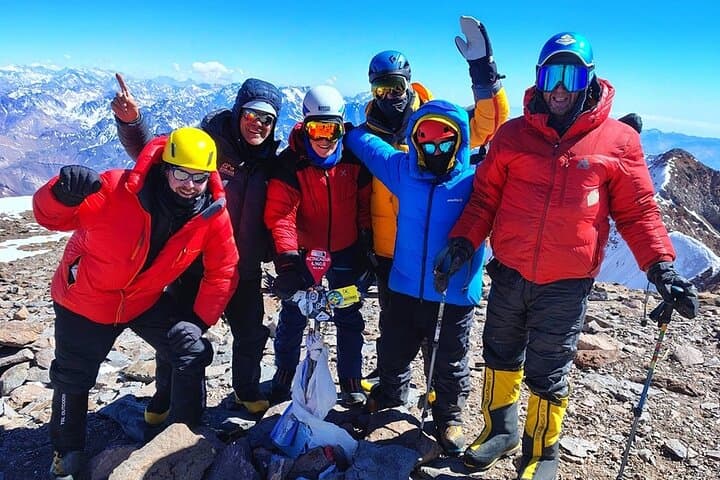
This expedition is endurance over technicality—an extended, exposed push against altitude and weather where pacing, team communication and conservative decision-making determine success. If you want the highest views in the Americas, prepare for a long, exacting climb that rewards patience with vast, unforgiving panoramas.
expert.
16 days.
Excellent aerobic endurance and prior high-altitude trekking experience; ability to hike 6–10 hours on consecutive days with a pack
The listed itinerary runs 16 days; expect several approach days, multiple acclimatization climbs and a very long summit day (often 12–15+ hours round-trip from high camp).
The Normal Route is largely non-technical in summer but requires competence with crampons, ice axe, and high-altitude camping; guided ascent is recommended for safety and logistics.
Main season is December–February (Southern Hemisphere summer); expeditions must secure park permits and coordinate logistics in advance—book 2–3 months ahead if possible.
Acute mountain sickness and severe weather are primary concerns — monitor symptoms, hydrate, take altitude-aware pacing and be prepared to descend if illness develops.
Aconcagua’s slopes were used historically by indigenous groups and later became a focus for Spanish and Argentine mountaineering; the Normal Route developed into a high-altitude trekking route rather than a technical alpine climb.
The Aconcagua Provincial Park manages permits and waste rules; stick to pack-in, pack-out policies and use designated toilet facilities to limit human impact.
Peru Expeditions Tours operates guided outdoor trips and adventures with an emphasis on safety, stewardship, and memorable experiences.
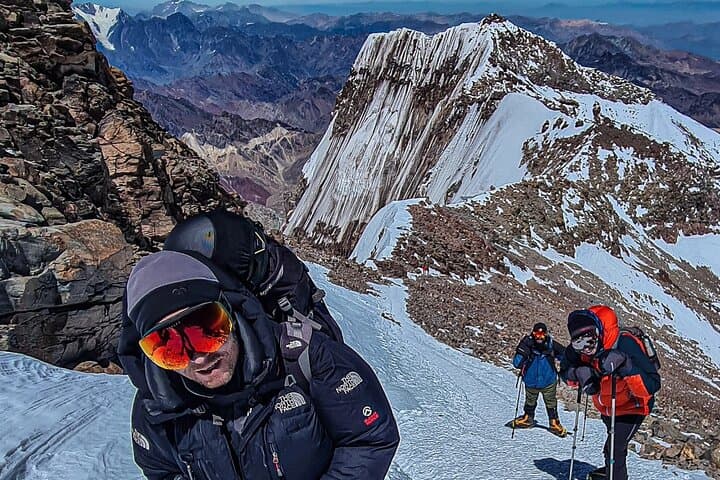
The morning light flakes across a ridge of wind-scoured snow as your group files out of Colera Camp, headlamps flicking like patient fireflies. The air is thin enough to make each step deliberate; the mountain seems to breathe around you, pushing and testing resolve. On summit day, trails of bootprints stitch the slope toward a skyline that opens to the Andes’ long spine.
The morning light flakes across a ridge of wind-scoured snow as your group files out of Colera Camp, headlamps flicking like patient fireflies. The air is thin enough to make each step deliberate; the mountain seems to breathe around you, pushing and testing resolve. On summit day, trails of bootprints stitch the slope toward a skyline that opens to the Andes’ long spine.
Aconcagua sits at 6,962 m in Argentina’s Central Andes, the continent’s highest point and a landmark of granite, glacial ice and steep weather gradients carved by tectonic uplift. Spanish explorers and indigenous peoples long knew the massif; modern ascents through the Normal Route avoid technical rock faces but still demand extended high-altitude camping, careful acclimatization and respect for rapidly changing storms. Local muleteers and mountain communities around Las Cuevas and Mendoza are part of the route’s logistics, moving gear and conserving traditions of mountain support.
Expect long days of walking (multi-day approach, multiple acclimatization climbs), cold nights in two-person tents, and creaky wind that rearranges thoughts and gear alike. Practical planning matters: allow 2–3 months to organize permits and logistics, train for sustained uphill trekking with a heavy pack, and practice crampon/ice-axe use. Hydrate proactively, layer for big temperature swings, and schedule rest days to lower altitude illness risk.
This expedition is endurance over technicality—an extended, exposed push against altitude and weather where pacing, team communication and conservative decision-making determine success. If you want the highest views in the Americas, prepare for a long, exacting climb that rewards patience with vast, unforgiving panoramas.