THE ADVENTURE COLLECTIVE® · Independent discovery and booking for outdoor travel

Move from Accra’s civic center to the cooler slopes of Aburi on a focused two‑day tour that links Pan‑African history with botanical and agricultural insights. Expect guided museum visits, a crafts market stop, and a hands‑on cocoa farm demonstration.
Move from Accra’s civic center to the cooler slopes of Aburi on a focused two‑day tour that links Pan‑African history with botanical and agricultural insights. Expect guided museum visits, a crafts market stop, and a hands‑on cocoa farm demonstration.
Dawn in Accra arrives with a wash of traffic noise and the warm smell of grilled plantain — the city presses forward while pockets of calm sit beneath leafy canopies.
Verified experiences and guided adventures in the surrounding area.
Operated by ProTour Africa · Accra, Greater Accra Region
Dawn in Accra arrives with a wash of traffic noise and the warm smell of grilled plantain — the city presses forward while pockets of calm sit beneath leafy canopies.
On this two-day loop you move from the civic heart of Ghana to the green shoulder of the Eastern Region: a guided circuit through the Du Bois Center, Kwame Nkrumah Memorial Park and Independence Square, then up into the Akwapim hills to Aburi Botanical Gardens and the Tetteh Quarshie Cocoa Farm.
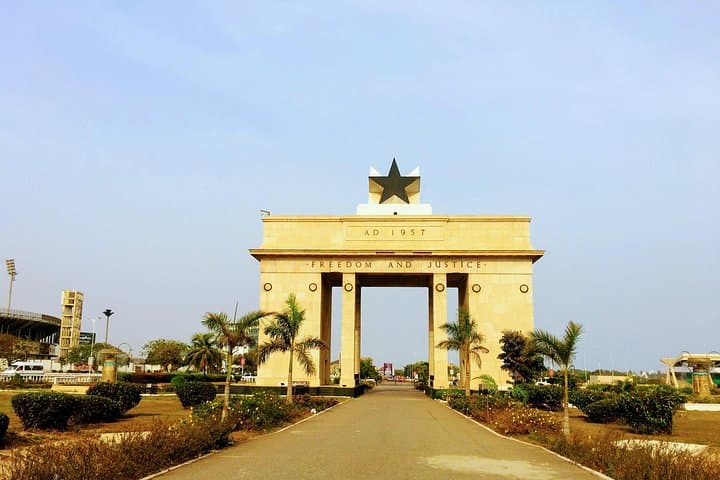
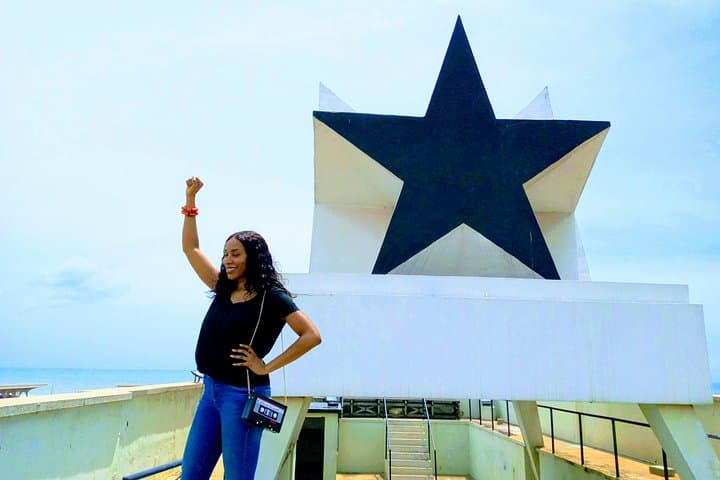
History sits on every stop. The Du Bois Center preserves the library and home of the Pan‑Africanist W.E.B. Du Bois, while the Nkrumah Mausoleum tells the story of Ghana’s independence movement and postcolonial ambitions. Independence Square’s open expanse and Black Star Gate symbolize mid‑20th century nation building. Geologically, the trip climbs from Accra’s coastal plain into the undulating Akwapim ridge — a change that brings cooler air and a different palette of tropical species.
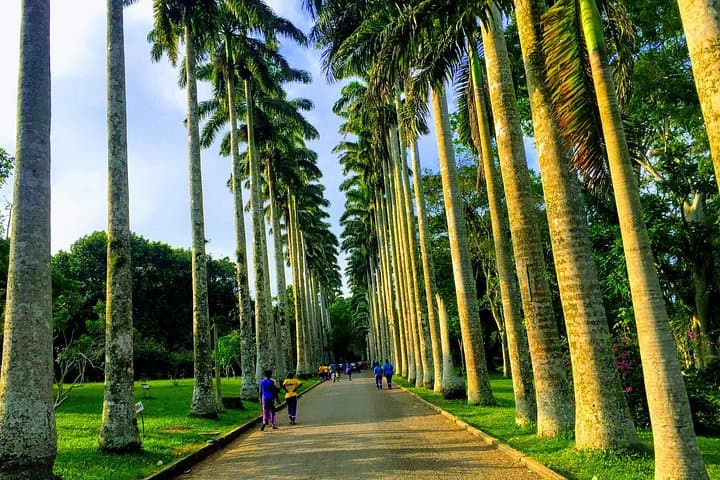
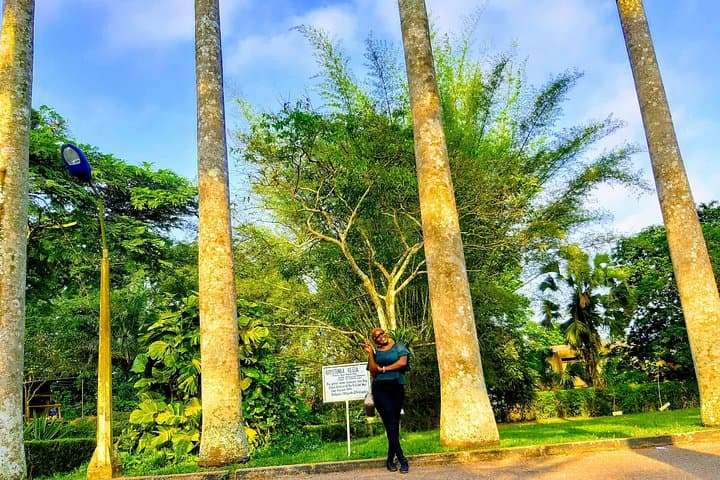
Culture is tactile here: craft stalls at the Arts Centre, Kente textiles and roadside vendors offer authentic, local trade and flavor. At Aburi, mature tropical trees “hold court” over winding paths; at Tetteh Quarshie Farm, you’ll see cocoa pods and the drying process up close — the agricultural backbone behind Ghana’s chocolate legacy.
Practicalities: the tour includes hotel pickup and drop‑off in Accra, entrance fees and local transport; it’s suitable for most fitness levels with light walking. Expect 45–60 minutes’ driving to Aburi from central Accra, seasonal heat, and short on‑foot stints at each site. Bring water, sun protection, modest clothing for memorial sites, and small cash for market purchases.
easy.
2 days (active segments totalling ~6–8 hours).
Suitable for most walkers; light mobility and short, mostly flat walks with some steps in gardens and museums.
Expect roughly 45–60 minutes by road from central Accra to Aburi, depending on traffic; the route climbs into the Akwapim hills so speeds vary.
Yes — entrance fees to listed sites (Du Bois Centre, Nkrumah Mausoleum, Aburi Gardens, cocoa farm) are included in the tour price as described.
The tour is family‑friendly; infants must sit on laps during transport, and walking is light, but check with operators about child pricing and pacing.
Guides typically speak English; many will also have local language familiarity, but verify language needs when booking.
Sites on day one trace Ghana’s independence and Pan‑African connections — Nkrumah’s leadership and Du Bois’ residence reflect political and intellectual links between Ghana and the African diaspora.
Aburi Botanical Gardens is managed to preserve mature tropical plantings while promoting education; visitors are asked to stick to paths and avoid removing seeds or plants to protect biodiversity.
ProTour Africa operates guided outdoor trips and adventures with an emphasis on safety, stewardship, and memorable experiences.
Dawn in Accra arrives with a wash of traffic noise and the warm smell of grilled plantain — the city presses forward while pockets of calm sit beneath leafy canopies.
Dawn in Accra arrives with a wash of traffic noise and the warm smell of grilled plantain — the city presses forward while pockets of calm sit beneath leafy canopies.
On this two-day loop you move from the civic heart of Ghana to the green shoulder of the Eastern Region: a guided circuit through the Du Bois Center, Kwame Nkrumah Memorial Park and Independence Square, then up into the Akwapim hills to Aburi Botanical Gardens and the Tetteh Quarshie Cocoa Farm.
History sits on every stop. The Du Bois Center preserves the library and home of the Pan‑Africanist W.E.B. Du Bois, while the Nkrumah Mausoleum tells the story of Ghana’s independence movement and postcolonial ambitions. Independence Square’s open expanse and Black Star Gate symbolize mid‑20th century nation building. Geologically, the trip climbs from Accra’s coastal plain into the undulating Akwapim ridge — a change that brings cooler air and a different palette of tropical species.
Culture is tactile here: craft stalls at the Arts Centre, Kente textiles and roadside vendors offer authentic, local trade and flavor. At Aburi, mature tropical trees “hold court” over winding paths; at Tetteh Quarshie Farm, you’ll see cocoa pods and the drying process up close — the agricultural backbone behind Ghana’s chocolate legacy.
Practicalities: the tour includes hotel pickup and drop‑off in Accra, entrance fees and local transport; it’s suitable for most fitness levels with light walking. Expect 45–60 minutes’ driving to Aburi from central Accra, seasonal heat, and short on‑foot stints at each site. Bring water, sun protection, modest clothing for memorial sites, and small cash for market purchases.