THE ADVENTURE COLLECTIVE® · Independent discovery and booking for outdoor travel

A single day from Accra that pairs the airborne thrill of Kakum’s canopy walkway with the deep, reflective history of Elmina and Cape Coast castles. Expect rainforest trails, steep stairs and a full day of guided storytelling.
A single day from Accra that pairs the airborne thrill of Kakum’s canopy walkway with the deep, reflective history of Elmina and Cape Coast castles. Expect rainforest trails, steep stairs and a full day of guided storytelling.
You start before dawn in Accra, the city thinning as the coastline slips by and the air grows humid with the promise of rainforest. By midmorning the trees close in and the Kakum canopy walkway unfurls overhead—swaying planks 30 meters above the forest floor that force a steady breath and sharper focus.
Verified experiences and guided adventures in the surrounding area.
Operated by dohans travels · Accra, Greater Accra Region
You start before dawn in Accra, the city thinning as the coastline slips by and the air grows humid with the promise of rainforest. By midmorning the trees close in and the Kakum canopy walkway unfurls overhead—swaying planks 30 meters above the forest floor that force a steady breath and sharper focus.
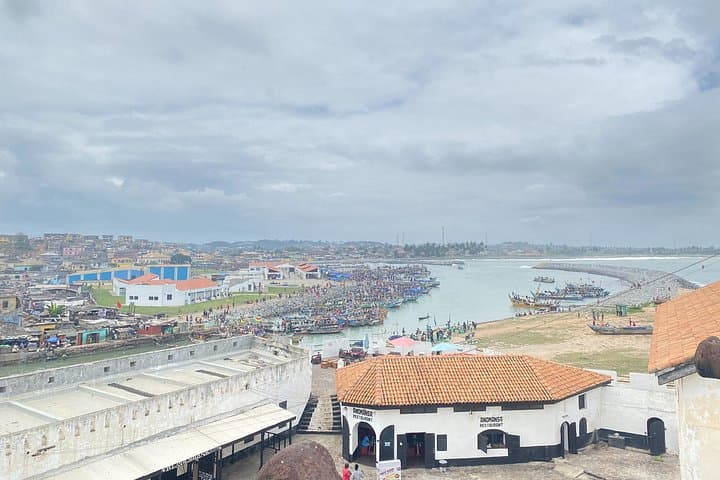
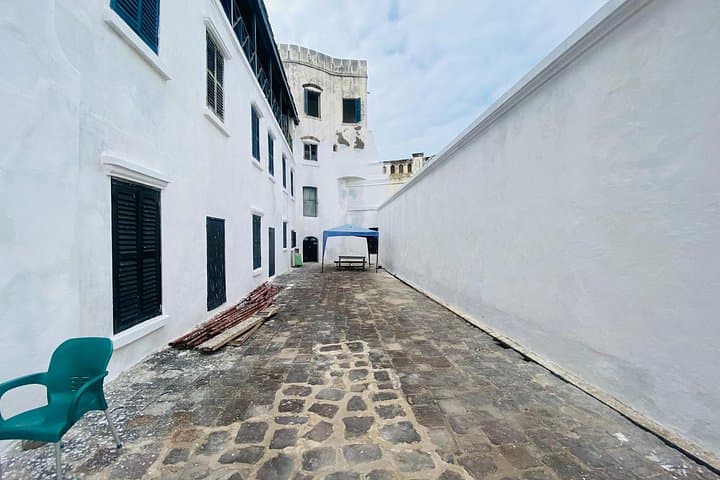
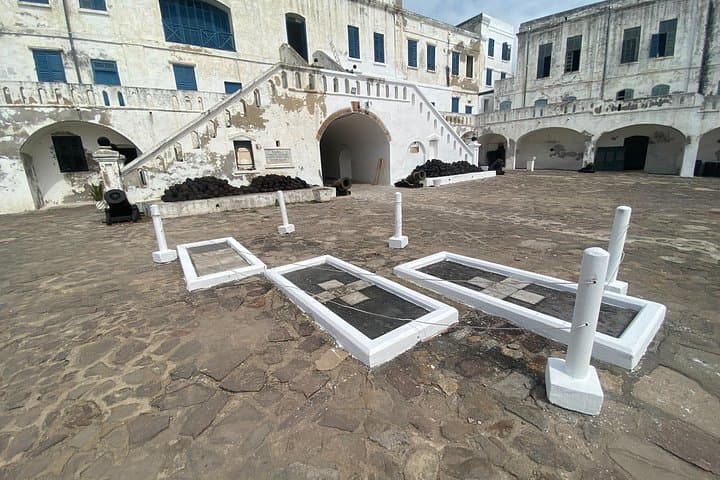
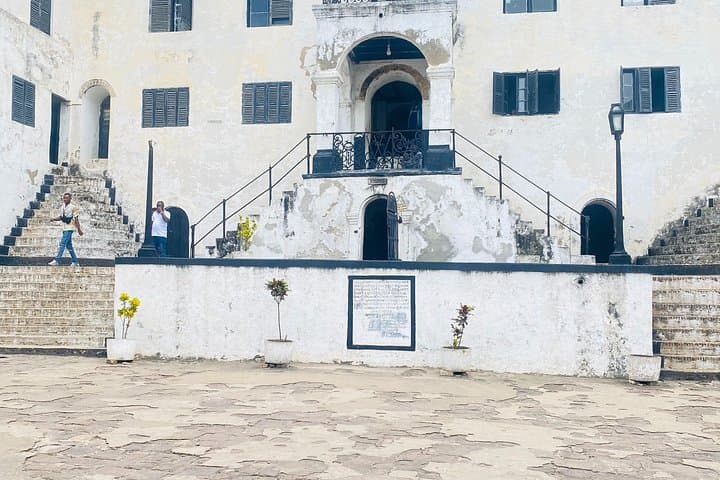
This route threads history with ecology. Kakum protects a section of Ghana’s Upper Guinean forest where limestone soils and old-growth mahogany shape a mottled canopy; below, streams carve gullies that dare you to look down. Later, Cape Coast and Elmina castles bring a different gravity: 17th–19th century fortifications, dungeons and the infamous Door of No Return that mark Ghana’s central role in the transatlantic slave trade. Towns along the Gulf of Guinea mix colonial architecture, active fishing harbors, and markets where smoked fish and cassava speak to coastal life.
Expect concentrated walking, stairs and some uneven surfaces at historical sites, plus short elevated bridges in the park. Guides balance storytelling with pauses for reflection and photos. Timing matters—start early to avoid midday heat and give the castles slow, respectful attention.
Practical notes: bring sturdy closed-toe shoes for the canopy and castle steps, sun protection, insect repellent and a refillable bottle—water is supplied but topping up is wise. If you’re prone to vertigo, the canopy is thrilling but not required to enjoy Kakum. The day moves from green heights to somber stone; both demand presence and respectful curiosity.
moderate.
9–12 hours.
Light to moderate fitness; able to walk several kilometers, climb stairs and tolerate brief heights.
The canopy walkway system spans about 350 meters across several hanging bridges, with platforms roughly 30 meters above the forest floor.
Yes — guides present the history of the slave trade plainly; allow time for reflection and consider skipping the deepest dungeons if it feels overwhelming.
This tour operates as a private day trip with air-conditioned transport between Accra, Kakum, Elmina and Cape Coast included in the booking.
Children can join, but infants must sit on laps and some locations involve stairs and heights that may be challenging for very young kids.
Elmina (est. 1482) is the oldest European-built structure in sub-Saharan Africa; Cape Coast Castle was expanded by multiple colonial powers and served as a major British holding for enslaved Africans.
Kakum National Park is protected to conserve Upper Guinean rainforest biodiversity; visitors are asked to stay on trails and follow guide instructions to minimize disturbance.
dohans travels operates guided outdoor trips and adventures with an emphasis on safety, stewardship, and memorable experiences.
You start before dawn in Accra, the city thinning as the coastline slips by and the air grows humid with the promise of rainforest. By midmorning the trees close in and the Kakum canopy walkway unfurls overhead—swaying planks 30 meters above the forest floor that force a steady breath and sharper focus.
You start before dawn in Accra, the city thinning as the coastline slips by and the air grows humid with the promise of rainforest. By midmorning the trees close in and the Kakum canopy walkway unfurls overhead—swaying planks 30 meters above the forest floor that force a steady breath and sharper focus.
This route threads history with ecology. Kakum protects a section of Ghana’s Upper Guinean forest where limestone soils and old-growth mahogany shape a mottled canopy; below, streams carve gullies that dare you to look down. Later, Cape Coast and Elmina castles bring a different gravity: 17th–19th century fortifications, dungeons and the infamous Door of No Return that mark Ghana’s central role in the transatlantic slave trade. Towns along the Gulf of Guinea mix colonial architecture, active fishing harbors, and markets where smoked fish and cassava speak to coastal life.
Expect concentrated walking, stairs and some uneven surfaces at historical sites, plus short elevated bridges in the park. Guides balance storytelling with pauses for reflection and photos. Timing matters—start early to avoid midday heat and give the castles slow, respectful attention.
Practical notes: bring sturdy closed-toe shoes for the canopy and castle steps, sun protection, insect repellent and a refillable bottle—water is supplied but topping up is wise. If you’re prone to vertigo, the canopy is thrilling but not required to enjoy Kakum. The day moves from green heights to somber stone; both demand presence and respectful curiosity.