THE ADVENTURE COLLECTIVE® · Independent discovery and booking for outdoor travel

Navigate Accra’s bustling markets with a guide who bargains on your behalf, unlocking better prices on shea butter, textiles and crafts. This 3–5 hour private tour pairs local insight with practical tips to make the most of market culture.
Navigate Accra’s bustling markets with a guide who bargains on your behalf, unlocking better prices on shea butter, textiles and crafts. This 3–5 hour private tour pairs local insight with practical tips to make the most of market culture.
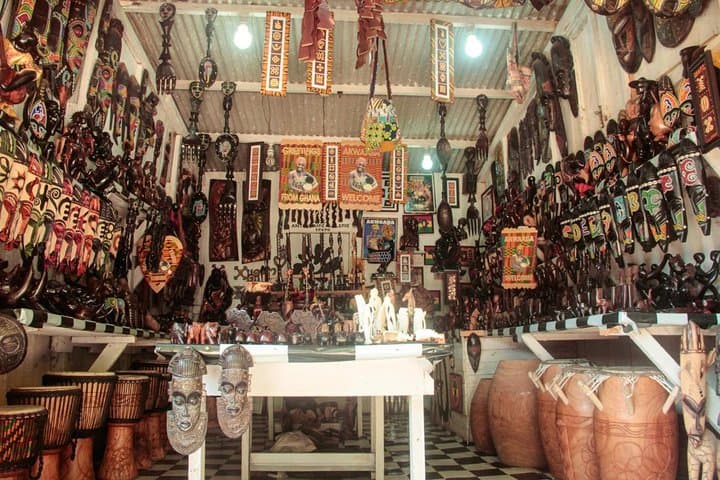
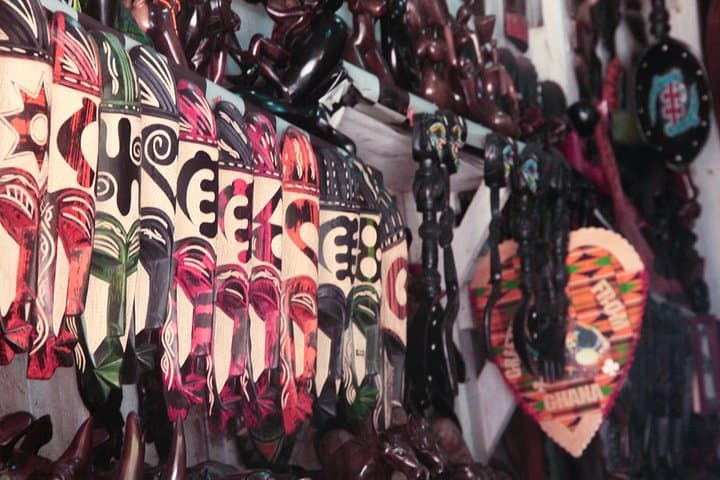
You step out of a small van into a wash of heat and sound — vendors calling prices, motorbikes threading alleys, the Gulf of Guinea pushing a warm breeze toward the stalls. The guide steers you through narrow aisles of color: bolts of kente and printed cotton, rows of carved wood, tins of black soap and jars of raw shea butter.
Verified experiences and guided adventures in the surrounding area.
Operated by Classic Holidays · Accra, Greater Accra Region
You step out of a small van into a wash of heat and sound — vendors calling prices, motorbikes threading alleys, the Gulf of Guinea pushing a warm breeze toward the stalls. The guide steers you through narrow aisles of color: bolts of kente and printed cotton, rows of carved wood, tins of black soap and jars of raw shea butter.
Markets in Accra grew from pre-colonial trading paths into dense urban hubs during the 19th and 20th centuries; places like Makola evolved into the city’s commercial heart where goods from the coast and interior meet. The terrain here is a coastal plain — flat, humid, with the Atlantic visible from some nearby neighborhoods — and the market’s fabric reflects Accra’s layered history of local craft, colonial trade routes, and contemporary demand.
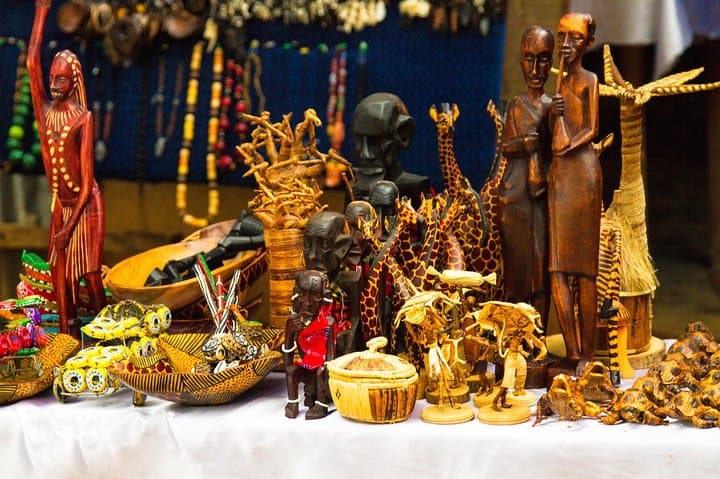
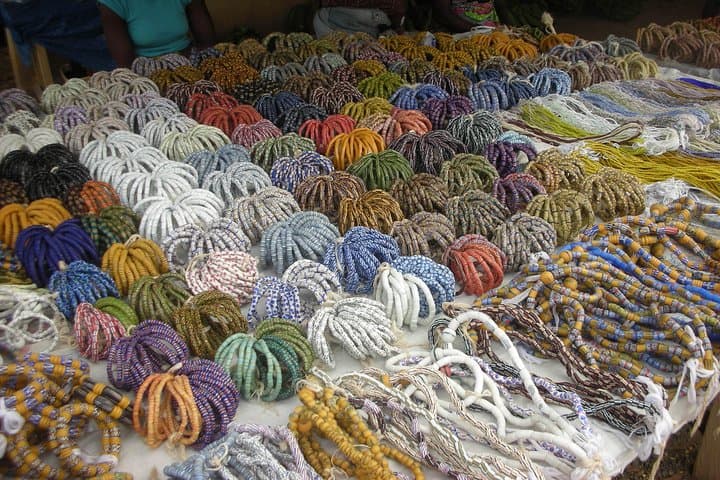
Expect a hands-on cultural exchange: bargaining is standard, vendors appreciate respect and a smile, and the guide’s market knowledge means you’ll avoid inflated tourist prices. Typical finds include unrefined shea butter, hand-carved trinkets, beads, textiles, and ready-made dresses sourced from local tailors.
Practical guidance: tours run about 3–5 hours with private transport and bottled water included. Wear closed-toe shoes for crowded stalls, carry small-denomination cedis for easier bargaining, and keep valuables secure — markets are lively and compact. Morning slots beat the midday heat; if you want specific items, ask your guide to prioritize those stops. The experience blends urban pulse with practical trade skills, making it both a cultural immersion and a shopping expedition.
easy.
3–5 hours.
Suitable for most fitness levels; requires walking on uneven, crowded surfaces for several hours.
The tour runs approximately 3 to 5 hours, depending on your group’s pace and chosen stops.
Guides will bargain on your behalf or coach you through negotiations, using local market knowledge to get better prices.
Most stalls are cash-only; bring Ghanaian cedi in small denominations. Some established shops may accept mobile payments.
Yes — the operator notes infant seats are available and the activity is listed as physically easy, but parents should prepare for crowds and close quarters.
Accra’s markets grew from pre-colonial trade centers and expanded during the colonial era into dense urban marketplaces that linked coastal merchants with inland producers.
Buy products made from sustainable materials where possible (look for responsibly sourced shea butter) and avoid items made from protected woods or wildlife parts.
Classic Holidays operates guided outdoor trips and adventures with an emphasis on safety, stewardship, and memorable experiences.
You step out of a small van into a wash of heat and sound — vendors calling prices, motorbikes threading alleys, the Gulf of Guinea pushing a warm breeze toward the stalls. The guide steers you through narrow aisles of color: bolts of kente and printed cotton, rows of carved wood, tins of black soap and jars of raw shea butter.
You step out of a small van into a wash of heat and sound — vendors calling prices, motorbikes threading alleys, the Gulf of Guinea pushing a warm breeze toward the stalls. The guide steers you through narrow aisles of color: bolts of kente and printed cotton, rows of carved wood, tins of black soap and jars of raw shea butter.
Markets in Accra grew from pre-colonial trading paths into dense urban hubs during the 19th and 20th centuries; places like Makola evolved into the city’s commercial heart where goods from the coast and interior meet. The terrain here is a coastal plain — flat, humid, with the Atlantic visible from some nearby neighborhoods — and the market’s fabric reflects Accra’s layered history of local craft, colonial trade routes, and contemporary demand.
Expect a hands-on cultural exchange: bargaining is standard, vendors appreciate respect and a smile, and the guide’s market knowledge means you’ll avoid inflated tourist prices. Typical finds include unrefined shea butter, hand-carved trinkets, beads, textiles, and ready-made dresses sourced from local tailors.
Practical guidance: tours run about 3–5 hours with private transport and bottled water included. Wear closed-toe shoes for crowded stalls, carry small-denomination cedis for easier bargaining, and keep valuables secure — markets are lively and compact. Morning slots beat the midday heat; if you want specific items, ask your guide to prioritize those stops. The experience blends urban pulse with practical trade skills, making it both a cultural immersion and a shopping expedition.