THE ADVENTURE COLLECTIVE® · Independent discovery and booking for outdoor travel

Spend a full day from Accra exploring Shai Hills’ rocky savanna, cruising Africa’s largest man-made lake at Atimpoku, and touring a traditional cedis bead workshop. This one-way loop blends wildlife, geology and hands-on craft.
Spend a full day from Accra exploring Shai Hills’ rocky savanna, cruising Africa’s largest man-made lake at Atimpoku, and touring a traditional cedis bead workshop. This one-way loop blends wildlife, geology and hands-on craft.
The bus slips out of Accra before dawn and the city noise fades into scrubby grasslands and scattered granite outcrops. At Shai Hills the wind teases the tall grasses and the rocks, warmed by the sun, invite short scrambles; a troop of baboons moves like punctuation along a ridge while a red-billed hornbill watches from a thorn tree.
Verified experiences and guided adventures in the surrounding area.
Operated by Kwame Tours · Accra, Greater Accra
The bus slips out of Accra before dawn and the city noise fades into scrubby grasslands and scattered granite outcrops. At Shai Hills the wind teases the tall grasses and the rocks, warmed by the sun, invite short scrambles; a troop of baboons moves like punctuation along a ridge while a red-billed hornbill watches from a thorn tree.
Shai Hills Resource Reserve has long been a grazing ground and lookout for local communities; its exposed boulders are part of the ancient Dahomey Basin geology that frames the Accra plains. The reserve’s mix of savanna, koppies and rock shelters supports zebra, kobs, duikers and a surprising array of birds — violet turaco to red-necked buzzard — that reward patient binocular work.
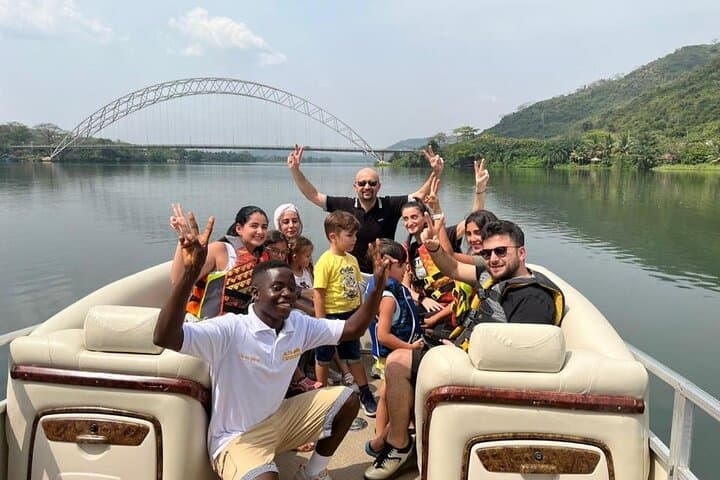
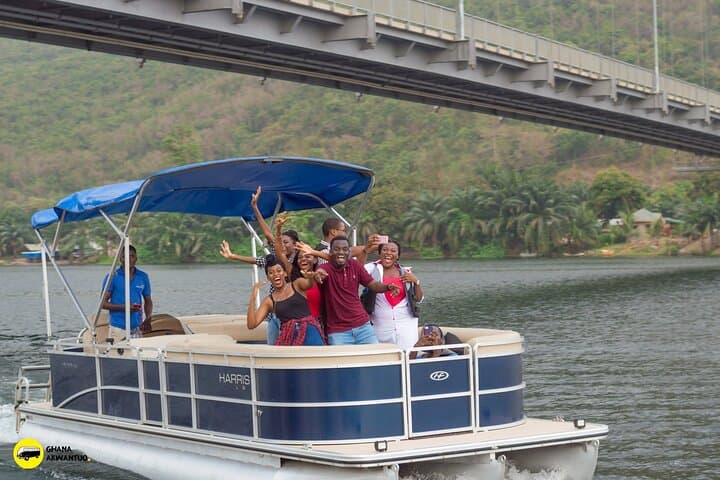
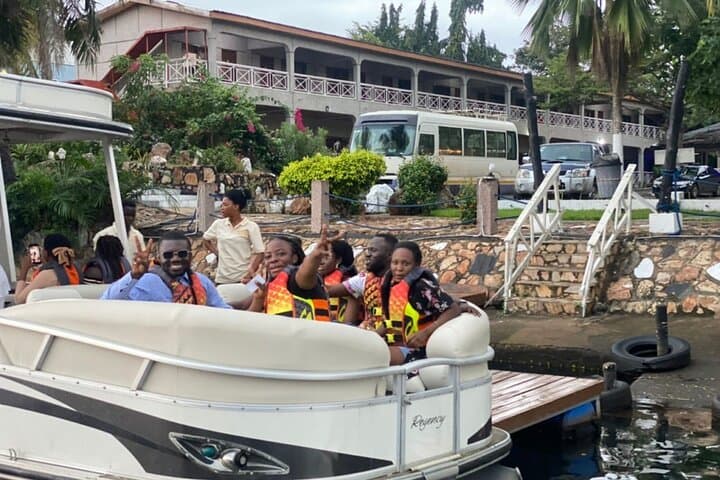
Later the tour reaches Volta Lake at Atimpoku. The lake is a human-made landscape — a consequence of the Akosombo Dam — whose wide skin reflects hill-and-village silhouettes. A calm boat cruise gives a different rhythm: fishermen tending nets, shoreline villages leaning toward the water, and the option to swim where currents are gentle.
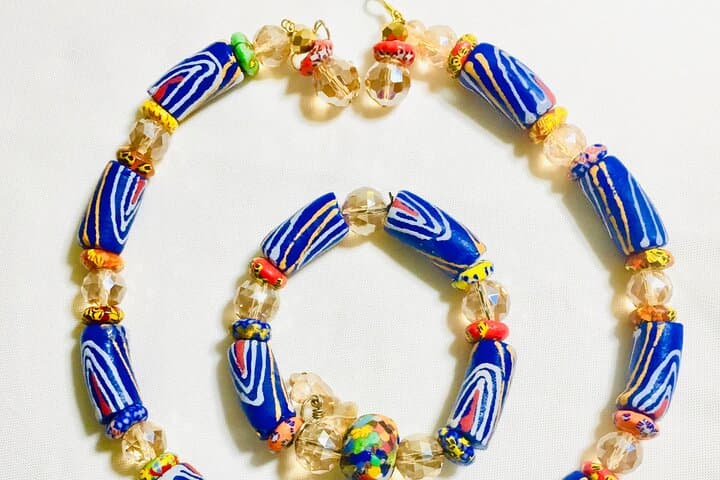
Cultural threads are woven through the day at a bead workshop, where recycled glass becomes powder and, with traditional palm-kernel firing, bright cedis beads emerge — a tactile link to Ghanaian craft and commerce.
Practical guidance: expect a 7–10 hour day, wear sturdy closed shoes for uneven rock and light hiking, bring sun protection and a refillable bottle, and carry small cash for beads and snacks. Wildlife sightings aren’t guaranteed but are frequent; keep noise low and follow guide instructions for safety around animals and on water.
easy.
7–10 hours.
Light to moderate fitness — able to walk up to a few kilometers over uneven terrain and stand on a boat for extended periods.
The full excursion runs about 7–10 hours. Exact pickup times vary with bookings but early morning departures are common to maximize wildlife viewing and avoid midday heat.
No; sightings depend on season, time of day and animal movements. Guides operate in areas with frequent sightings but there is no guarantee.
Swimming is sometimes allowed in calm, supervised areas — check with your guide and follow local safety instructions about currents and boat traffic.
Yes — the workshop is family-friendly, but parents should supervise around the kiln and open flames used in traditional firing.
Shai Hills sits on an ancient rock landscape used historically as lookout and grazing land; Volta Lake was created in the 1960s with the construction of the Akosombo Dam, reshaping local livelihoods.
The reserve balances recreation with habitat protection—stay on trails, avoid feeding wildlife, and support local guides and community-run initiatives that fund conservation.
Kwame Tours operates guided outdoor trips and adventures with an emphasis on safety, stewardship, and memorable experiences.
The bus slips out of Accra before dawn and the city noise fades into scrubby grasslands and scattered granite outcrops. At Shai Hills the wind teases the tall grasses and the rocks, warmed by the sun, invite short scrambles; a troop of baboons moves like punctuation along a ridge while a red-billed hornbill watches from a thorn tree.
The bus slips out of Accra before dawn and the city noise fades into scrubby grasslands and scattered granite outcrops. At Shai Hills the wind teases the tall grasses and the rocks, warmed by the sun, invite short scrambles; a troop of baboons moves like punctuation along a ridge while a red-billed hornbill watches from a thorn tree.
Shai Hills Resource Reserve has long been a grazing ground and lookout for local communities; its exposed boulders are part of the ancient Dahomey Basin geology that frames the Accra plains. The reserve’s mix of savanna, koppies and rock shelters supports zebra, kobs, duikers and a surprising array of birds — violet turaco to red-necked buzzard — that reward patient binocular work.
Later the tour reaches Volta Lake at Atimpoku. The lake is a human-made landscape — a consequence of the Akosombo Dam — whose wide skin reflects hill-and-village silhouettes. A calm boat cruise gives a different rhythm: fishermen tending nets, shoreline villages leaning toward the water, and the option to swim where currents are gentle.
Cultural threads are woven through the day at a bead workshop, where recycled glass becomes powder and, with traditional palm-kernel firing, bright cedis beads emerge — a tactile link to Ghanaian craft and commerce.
Practical guidance: expect a 7–10 hour day, wear sturdy closed shoes for uneven rock and light hiking, bring sun protection and a refillable bottle, and carry small cash for beads and snacks. Wildlife sightings aren’t guaranteed but are frequent; keep noise low and follow guide instructions for safety around animals and on water.