THE ADVENTURE COLLECTIVE® · Independent discovery and booking for outdoor travel

Feel the djembe's pulse and learn Ghanaian dance in a focused three-hour private workshop in Accra. This hands-on session teaches traditional rhythms and steps with experienced instructors and includes drums and private transport.
Feel the djembe's pulse and learn Ghanaian dance in a focused three-hour private workshop in Accra. This hands-on session teaches traditional rhythms and steps with experienced instructors and includes drums and private transport.
You step into a bright, timber-floored studio in Accra; the air hums with skin-on-skin rhythms and the steady pulse of djembe. Instructors call patterns, bodies respond, and the room narrows to the conversation between hands and feet. Over three hours participants move from simple beats to coordinated Ghanaian steps, led by facilitators who turn instruction into an active exchange.
Verified experiences and guided adventures in the surrounding area.
Operated by Hausa Tours · Accra, Greater Accra Region
You step into a bright, timber-floored studio in Accra; the air hums with skin-on-skin rhythms and the steady pulse of djembe. Instructors call patterns, bodies respond, and the room narrows to the conversation between hands and feet. Over three hours participants move from simple beats to coordinated Ghanaian steps, led by facilitators who turn instruction into an active exchange.
Ghanaian drumming and dance are civic languages: rhythms mark ceremonies, tell stories and organize labor. The forms taught here blend Ga and Akan rhythmic traditions with contemporary teaching methods developed at local institutes, preserving elders' patterns while making them accessible to newcomers. Accra’s low, red earth and coastal trade history helped these practices spread; the city remains a hub for performing arts and cultural exchange.
Expect a practical, physical session: warm-up, hand and foot technique, call-and-response drumming, and short choreographies. Drums are provided and class size is private, so instruction is hands-on. Participants should note the moderate fitness requirement and health precautions for pregnant people or those with cardiovascular or back problems.
Practical tips: wear breathable, flexible clothing and shoes you can move in—or bring bare feet if the studio permits. Hydrate before and during the class; a small towel is handy. The operator provides private transport, and the meeting time is punctual—arrive early to stretch and meet the instructor.
This workshop suits travelers who want an active cultural exchange rather than a passive show: it’s loud, sweaty, exacting and immediate in its reward. Leave with a feel for West African rhythm and a few steps you can repeat back home.
moderate.
3 hours.
Participants should have moderate fitness and be able to stand, jump lightly, and follow coordinated movements for extended periods.
No. The workshop is designed for beginners and intermediate participants; instructors build skills from basic beats and steps up to short choreographies.
Yes—private transportation is listed as included; confirm pickup point and time when you book and allow time for Accra traffic.
The activity requests a moderate fitness level and may have age or medical restrictions—check booking requirements; children can often participate if supervised and reasonably fit.
Photos are usually allowed, but be respectful of instructors and other participants; ask before using flash or recording close-up instruction.
Drumming and dance in southern Ghana have long communicated social roles, histories and ceremonial rhythms—techniques taught today trace to Ga and Akan communities and public gatherings.
Support local cultural sustainability by respecting customs, asking before photographing instructors and booking lessons that pay local facilitators fairly; avoid single-use plastics when traveling to and from classes.
Hausa Tours operates guided outdoor trips and adventures with an emphasis on safety, stewardship, and memorable experiences.
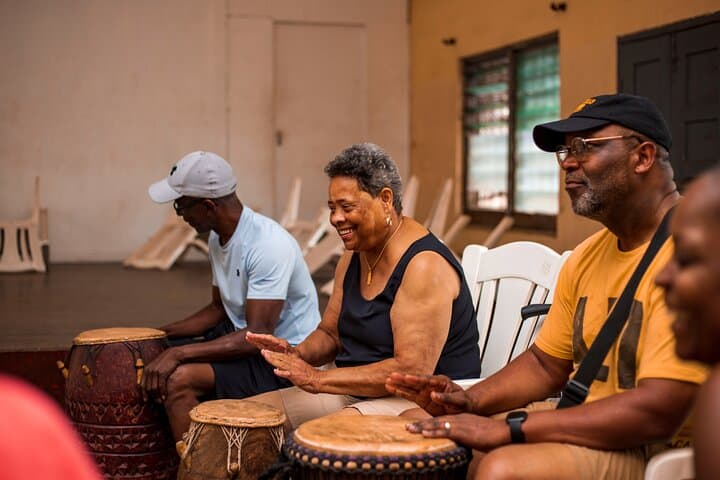
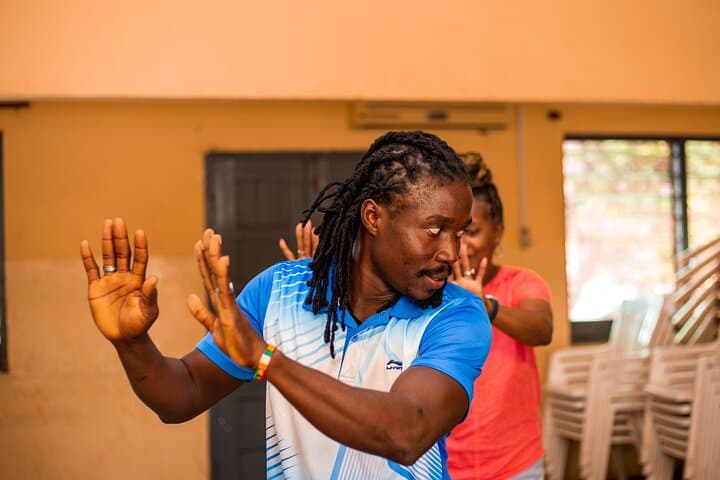
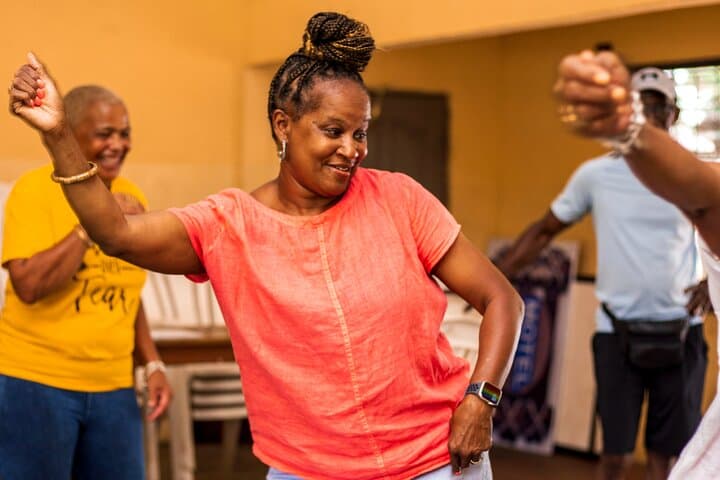
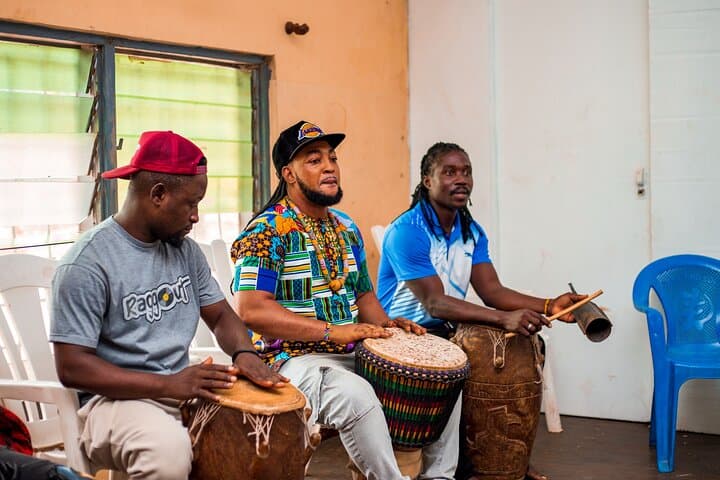
You step into a bright, timber-floored studio in Accra; the air hums with skin-on-skin rhythms and the steady pulse of djembe. Instructors call patterns, bodies respond, and the room narrows to the conversation between hands and feet. Over three hours participants move from simple beats to coordinated Ghanaian steps, led by facilitators who turn instruction into an active exchange.
You step into a bright, timber-floored studio in Accra; the air hums with skin-on-skin rhythms and the steady pulse of djembe. Instructors call patterns, bodies respond, and the room narrows to the conversation between hands and feet. Over three hours participants move from simple beats to coordinated Ghanaian steps, led by facilitators who turn instruction into an active exchange.
Ghanaian drumming and dance are civic languages: rhythms mark ceremonies, tell stories and organize labor. The forms taught here blend Ga and Akan rhythmic traditions with contemporary teaching methods developed at local institutes, preserving elders' patterns while making them accessible to newcomers. Accra’s low, red earth and coastal trade history helped these practices spread; the city remains a hub for performing arts and cultural exchange.
Expect a practical, physical session: warm-up, hand and foot technique, call-and-response drumming, and short choreographies. Drums are provided and class size is private, so instruction is hands-on. Participants should note the moderate fitness requirement and health precautions for pregnant people or those with cardiovascular or back problems.
Practical tips: wear breathable, flexible clothing and shoes you can move in—or bring bare feet if the studio permits. Hydrate before and during the class; a small towel is handy. The operator provides private transport, and the meeting time is punctual—arrive early to stretch and meet the instructor.
This workshop suits travelers who want an active cultural exchange rather than a passive show: it’s loud, sweaty, exacting and immediate in its reward. Leave with a feel for West African rhythm and a few steps you can repeat back home.