THE ADVENTURE COLLECTIVE® · Independent discovery and booking for outdoor travel

A full‑day nature tour from Accra leads to twin waterfalls, the dramatic Umbrella Rock and limestone caves in the Eastern uplands. Moderate hiking, cultural stops, and local guides make this a hands‑on introduction to Ghana’s forested highlands.
A full‑day nature tour from Accra leads to twin waterfalls, the dramatic Umbrella Rock and limestone caves in the Eastern uplands. Moderate hiking, cultural stops, and local guides make this a hands‑on introduction to Ghana’s forested highlands.
You step out of the air‑conditioned van into a humid pulse of green — a valley where water insists on carving stories into rock and the forest seems to watch. The trail drops and rises through leaf litter and exposed roots; birds call from the canopy while a pair of waterfalls tumble in the distance, twin ribbons that run parallel yet never meet.
Verified experiences and guided adventures in the surrounding area.
Operated by Zhain tours Ghana · Koforidua, Eastern Region
You step out of the air‑conditioned van into a humid pulse of green — a valley where water insists on carving stories into rock and the forest seems to watch. The trail drops and rises through leaf litter and exposed roots; birds call from the canopy while a pair of waterfalls tumble in the distance, twin ribbons that run parallel yet never meet.
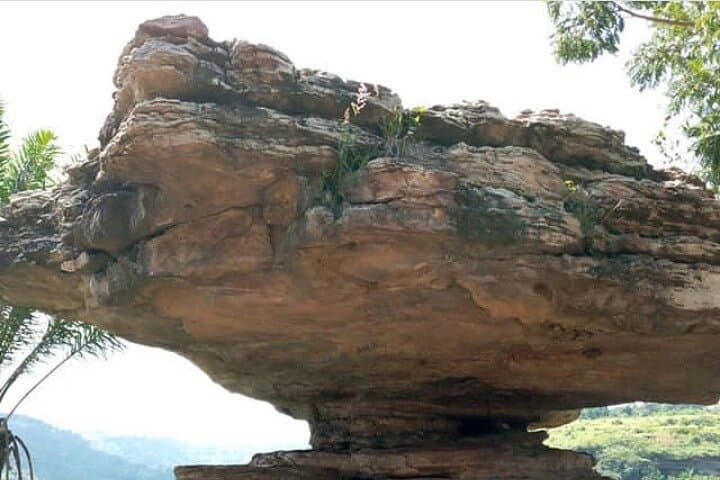
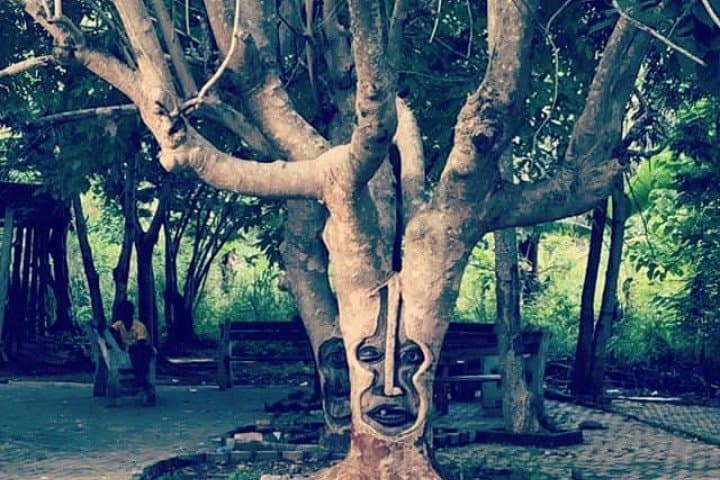
The route threads local geology and human memory: granite outcrops scoured by seasonal rains, caves once used for shelter, and the umbrella rock — a broad slab balanced like a natural roof. The area sits within the Eastern Region’s uplands, where Akan and Krobo communities have long read the land for farming, ritual, and woodcraft. You’ll pass a three‑headed palm — a botanical oddity that locals point to as a landmark — and encounter small shrines or carved markers near the caves.
Expect a full day: roughly 9–10 hours door to door from Accra with moderate hiking on uneven, sometimes slippery terrain. The waterfalls demand a short scramble and steady footing; the caves invite curiosity but respect — some are steep and low. Hydrate early, wear grippy shoes, and time your visit for morning or late afternoon to avoid the peak sun and the busiest hours.
Local guides steer you to the best viewpoints, explain cultural stories, and keep the group on low‑impact routes. Bring water, a light rain shell, and a charged phone for photos. The landscape pushes and rewards you: a physical, tactile encounter with Ghana’s smaller wild places.
moderate.
9–10 hours.
Moderately fit: able to walk 6–8 km over uneven terrain, handle short scrambles and stairs
Walking between the main points (falls, Umbrella Rock, caves) involves several short hikes totaling roughly 4–6 km over the day with some elevation change.
The tour is family‑friendly but not recommended for those with serious back, heart, or mobility problems due to uneven terrain and short scrambles.
Expect forest birds, butterflies and occasionally small primates like Mona monkeys; sightings vary by season and time of day.
Yes — fees, taxes and a local lunch are included; the trip also provides transport in an air‑conditioned vehicle.
The Eastern uplands are within territories long inhabited by Akan and Krobo peoples; caves and rock shelters were historically used for refuge and ritual, and local oral histories link features like Umbrella Rock to ancestral stories.
Trails are vulnerable to erosion and litter; follow guides, stay on established paths and support local conservation by avoiding single‑use plastics and tipping guides fairly.
Zhain tours Ghana operates guided outdoor trips and adventures with an emphasis on safety, stewardship, and memorable experiences.
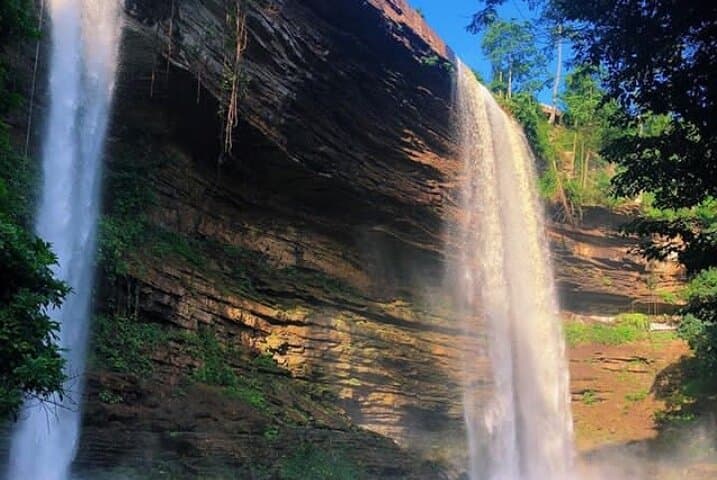
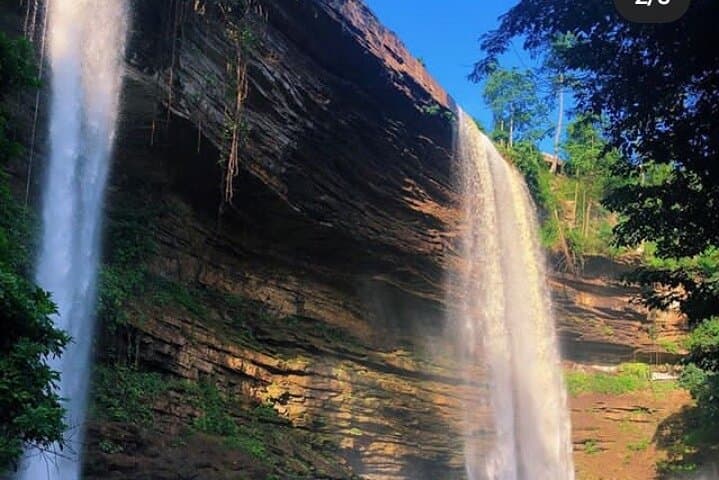
You step out of the air‑conditioned van into a humid pulse of green — a valley where water insists on carving stories into rock and the forest seems to watch. The trail drops and rises through leaf litter and exposed roots; birds call from the canopy while a pair of waterfalls tumble in the distance, twin ribbons that run parallel yet never meet.
You step out of the air‑conditioned van into a humid pulse of green — a valley where water insists on carving stories into rock and the forest seems to watch. The trail drops and rises through leaf litter and exposed roots; birds call from the canopy while a pair of waterfalls tumble in the distance, twin ribbons that run parallel yet never meet.
The route threads local geology and human memory: granite outcrops scoured by seasonal rains, caves once used for shelter, and the umbrella rock — a broad slab balanced like a natural roof. The area sits within the Eastern Region’s uplands, where Akan and Krobo communities have long read the land for farming, ritual, and woodcraft. You’ll pass a three‑headed palm — a botanical oddity that locals point to as a landmark — and encounter small shrines or carved markers near the caves.
Expect a full day: roughly 9–10 hours door to door from Accra with moderate hiking on uneven, sometimes slippery terrain. The waterfalls demand a short scramble and steady footing; the caves invite curiosity but respect — some are steep and low. Hydrate early, wear grippy shoes, and time your visit for morning or late afternoon to avoid the peak sun and the busiest hours.
Local guides steer you to the best viewpoints, explain cultural stories, and keep the group on low‑impact routes. Bring water, a light rain shell, and a charged phone for photos. The landscape pushes and rewards you: a physical, tactile encounter with Ghana’s smaller wild places.