THE ADVENTURE COLLECTIVE® · Independent discovery and booking for outdoor travel

A focused four-hour loop through Accra’s most consequential sites — Independence Square, Kwame Nkrumah Memorial, James Town and Osu Castle — that pairs concise history with clear, on-the-ground logistics. Ideal for first-time visitors wanting an efficient, contextualized introduction to Ghana’s capital.
A focused four-hour loop through Accra’s most consequential sites — Independence Square, Kwame Nkrumah Memorial, James Town and Osu Castle — that pairs concise history with clear, on-the-ground logistics. Ideal for first-time visitors wanting an efficient, contextualized introduction to Ghana’s capital.
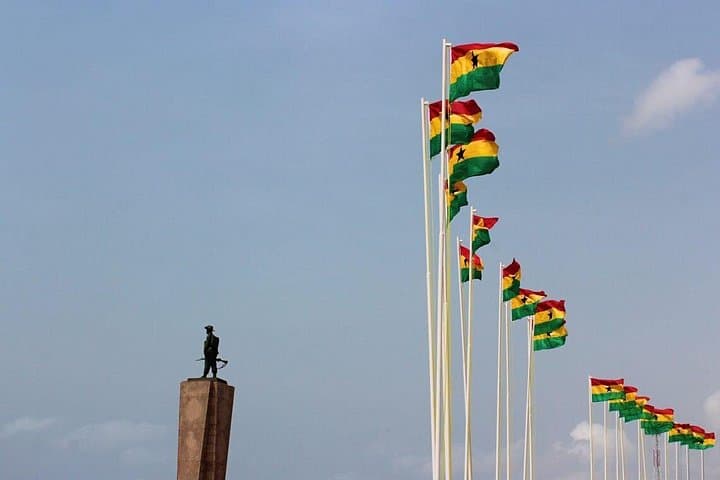
You step out of an air-conditioned van into the broad expanse of Black Star Square, the heat folded into a steady Atlantic breeze that tugs at the flag above the plaza. Vendors call softly from shaded stalls, and the city’s layered history — colonial forts, independence parades, market chatter — is visible in quick, vivid snapshots as the tour moves from one landmark to the next.
Verified experiences and guided adventures in the surrounding area.
Operated by Kaya Tours · Accra, Greater Accra
You step out of an air-conditioned van into the broad expanse of Black Star Square, the heat folded into a steady Atlantic breeze that tugs at the flag above the plaza. Vendors call softly from shaded stalls, and the city’s layered history — colonial forts, independence parades, market chatter — is visible in quick, vivid snapshots as the tour moves from one landmark to the next.
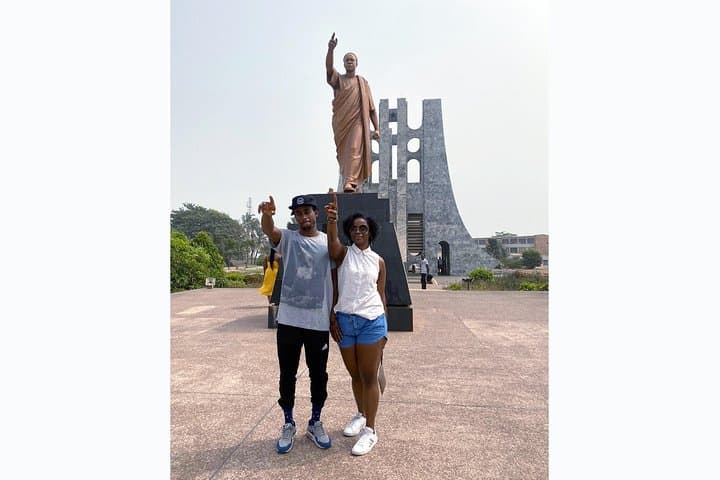
The route threads through sites that defined modern Ghana: Independence Square and Kwame Nkrumah Memorial Park tell the story of decolonization and Pan-African leadership; Osu Castle (Christiansborg) and James Town's lighthouse and fishing harbor recall the Danish and British eras and the maritime trade that shaped the coast. Geologically the area is coastal plain and beach sands meeting the Gulf of Guinea; culturally it centers on the Ga people and Accra’s role as Ghana’s political and artistic hub.
Expect brief stops for photos, short museum visits, and a pause at Asomdwe Park — a calm green space and memorial site where waterfowl and ostriches are sometimes visible. Practical notes: wear sturdy walking shoes for uneven colonial-era stone and harbor paths, bring water and sun protection, and carry cedi cash for small purchases. Tours run best in the cooler morning hours to avoid midday traffic and heat.
Photography is easy but be respectful around memorials and religious sites. The 4-hour format delivers a compact, accessible introduction to Accra’s living history — a concentrated primer that orients you to the city and helps plan deeper exploration afterward.
easy.
4 hours.
Suitable for most fitness levels; involves several short walks and standing during museum stops.
Most core sites on the itinerary include admission, but confirm with the operator if specific museum fees or guided interiors are covered.
The tour lists wheelchair accessibility and an air-conditioned vehicle, but some historic sites have uneven surfaces and steps—check specific stop access ahead of time.
Yes—stops at the Centre for National Culture and local markets allow time for browsing and purchasing textiles and crafts.
Tipping is customary for good service; small cash tips for guides and drivers are appreciated and often shared.
Accra was designated Ghana’s capital at independence in 1957; sites on this route trace the arc from colonial forts through the independence movement to modern statehood.
Coastal erosion and urban development press heritage sites and shorelines; visitors can help by following site rules, avoiding litter, and supporting local conservation-minded vendors.
Kaya Tours operates guided outdoor trips and adventures with an emphasis on safety, stewardship, and memorable experiences.
You step out of an air-conditioned van into the broad expanse of Black Star Square, the heat folded into a steady Atlantic breeze that tugs at the flag above the plaza. Vendors call softly from shaded stalls, and the city’s layered history — colonial forts, independence parades, market chatter — is visible in quick, vivid snapshots as the tour moves from one landmark to the next.
You step out of an air-conditioned van into the broad expanse of Black Star Square, the heat folded into a steady Atlantic breeze that tugs at the flag above the plaza. Vendors call softly from shaded stalls, and the city’s layered history — colonial forts, independence parades, market chatter — is visible in quick, vivid snapshots as the tour moves from one landmark to the next.
The route threads through sites that defined modern Ghana: Independence Square and Kwame Nkrumah Memorial Park tell the story of decolonization and Pan-African leadership; Osu Castle (Christiansborg) and James Town's lighthouse and fishing harbor recall the Danish and British eras and the maritime trade that shaped the coast. Geologically the area is coastal plain and beach sands meeting the Gulf of Guinea; culturally it centers on the Ga people and Accra’s role as Ghana’s political and artistic hub.
Expect brief stops for photos, short museum visits, and a pause at Asomdwe Park — a calm green space and memorial site where waterfowl and ostriches are sometimes visible. Practical notes: wear sturdy walking shoes for uneven colonial-era stone and harbor paths, bring water and sun protection, and carry cedi cash for small purchases. Tours run best in the cooler morning hours to avoid midday traffic and heat.
Photography is easy but be respectful around memorials and religious sites. The 4-hour format delivers a compact, accessible introduction to Accra’s living history — a concentrated primer that orients you to the city and helps plan deeper exploration afterward.