THE ADVENTURE COLLECTIVE® · Independent discovery and booking for outdoor travel

Step into a lively Accra courtyard and learn kpanlogo and traditional drumming in a 2–3 hour hands-on workshop. This private tour mixes technique, history and cultural context with plenty of time to play and dance.
Step into a lively Accra courtyard and learn kpanlogo and traditional drumming in a 2–3 hour hands-on workshop. This private tour mixes technique, history and cultural context with plenty of time to play and dance.
You arrive to the pulse before you see the faces: a courtyard in Accra hums with rhythm, palms clap and a lead drummer counts off in a language of beats. The drums answer like an old conversation; the dancers move as if the floor itself had remembered the steps.
Verified experiences and guided adventures in the surrounding area.
Operated by Classic Holidays · Accra, Greater Accra
You arrive to the pulse before you see the faces: a courtyard in Accra hums with rhythm, palms clap and a lead drummer counts off in a language of beats. The drums answer like an old conversation; the dancers move as if the floor itself had remembered the steps.
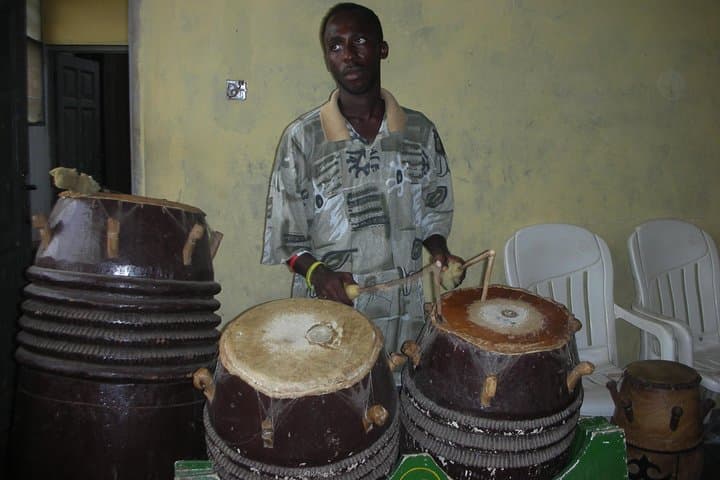
This workshop introduces visitors to Ga and broader Ghanaian drumming and dance forms — from the syncopated kpanlogo patterns of Accra to the resonant talking-drum phrases used across southern Ghana. Accra sits on the Gulf of Guinea coastal plain, where trade, colonial history and seaside winds helped shape public performance culture: festivals like Homowo and communal rites put rhythm and dance at the center of civic life.
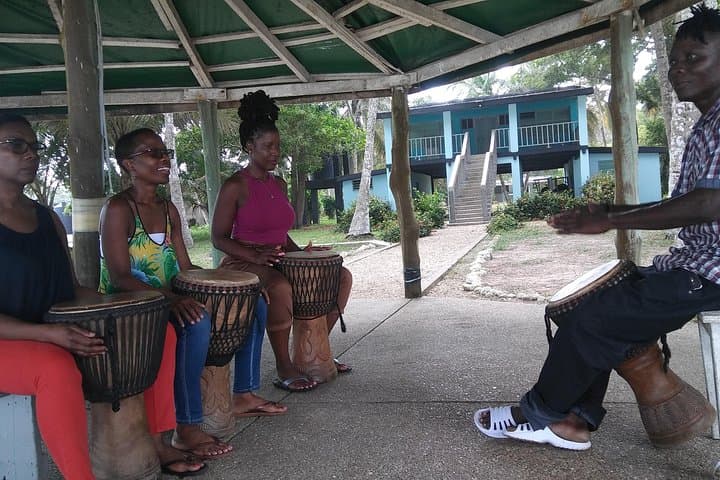
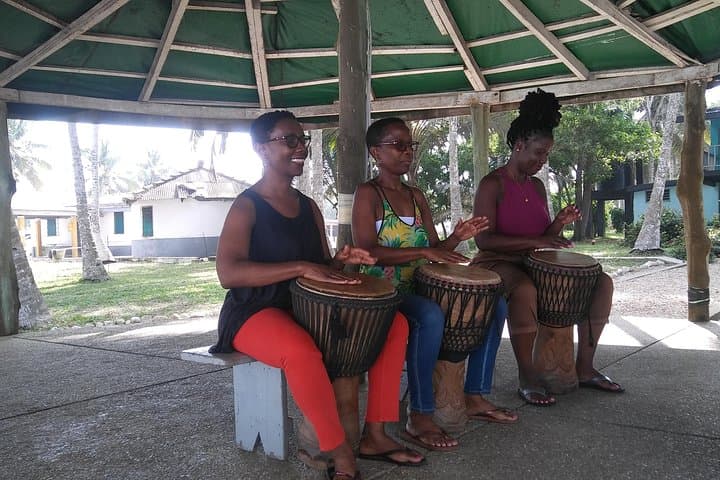
Expect a focused, participatory session: instructors demonstrate hand and foot patterns, then hand you a drum and guide you through call-and-response drills and short choreographies. Lessons cover technique, cultural context and the social function of each rhythm.
Practical details: the experience runs about 2–3 hours with private pickup included. Wear breathable, flexible clothing and closed-toe shoes for pivots and low jumps. Stay hydrated — Accra’s coastal heat amplifies exertion — and ask before photographing performers. Physical involvement ranges from light to moderate exertion; instructors adapt moves for beginners.
This is a hands-on cultural exchange more than a performance: come ready to listen, copy, laugh and sweat. Leave with an understanding of how rhythm organizes celebration and memory in Ghanaian communities — and with a few reliable beats you can practice at home.
moderate.
2–3 hours.
Moderate: able to stand, pivot and perform short bursts of movement; instructors can modify intensity.
No — the workshop is designed for beginners and adapts to different fitness and skill levels.
Families are welcome; instructors recommend supervision for young children and note some movements may be modified for safety.
Private pickup and drop-off are listed as included; confirm your pickup point when booking.
Yes, but please ask performers and instructors before close-up photos or recordings to respect cultural norms.
Accra is the Ga people’s historic heart; drumming and dance have long anchored festivals like Homowo and community ceremonies across the city.
Support local culture by tipping instructors fairly, avoiding single-use plastics, and asking about sustainable transport options for pickups.
Classic Holidays operates guided outdoor trips and adventures with an emphasis on safety, stewardship, and memorable experiences.
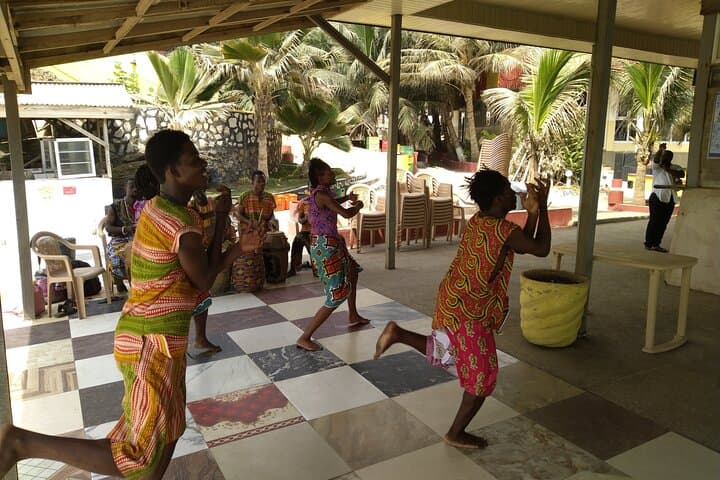
You arrive to the pulse before you see the faces: a courtyard in Accra hums with rhythm, palms clap and a lead drummer counts off in a language of beats. The drums answer like an old conversation; the dancers move as if the floor itself had remembered the steps.
You arrive to the pulse before you see the faces: a courtyard in Accra hums with rhythm, palms clap and a lead drummer counts off in a language of beats. The drums answer like an old conversation; the dancers move as if the floor itself had remembered the steps.
This workshop introduces visitors to Ga and broader Ghanaian drumming and dance forms — from the syncopated kpanlogo patterns of Accra to the resonant talking-drum phrases used across southern Ghana. Accra sits on the Gulf of Guinea coastal plain, where trade, colonial history and seaside winds helped shape public performance culture: festivals like Homowo and communal rites put rhythm and dance at the center of civic life.
Expect a focused, participatory session: instructors demonstrate hand and foot patterns, then hand you a drum and guide you through call-and-response drills and short choreographies. Lessons cover technique, cultural context and the social function of each rhythm.
Practical details: the experience runs about 2–3 hours with private pickup included. Wear breathable, flexible clothing and closed-toe shoes for pivots and low jumps. Stay hydrated — Accra’s coastal heat amplifies exertion — and ask before photographing performers. Physical involvement ranges from light to moderate exertion; instructors adapt moves for beginners.
This is a hands-on cultural exchange more than a performance: come ready to listen, copy, laugh and sweat. Leave with an understanding of how rhythm organizes celebration and memory in Ghanaian communities — and with a few reliable beats you can practice at home.