
Accra Cultural Tour: Explore Ga Neighborhoods, Colonial Quarters & Local Markets
Walk through the living neighborhoods of Accra on a private cultural tour that visits Ga communities, colonial quarters and bustling markets. Learn local histories, see traditional crafts, and get access to places visitors rarely reach on their own.
An Adventure In Accra.
Walk through the living neighborhoods of Accra on a private cultural tour that visits Ga communities, colonial quarters and bustling markets. Learn local histories, see traditional crafts, and get access to places visitors rarely reach on their own.
Read the full experience
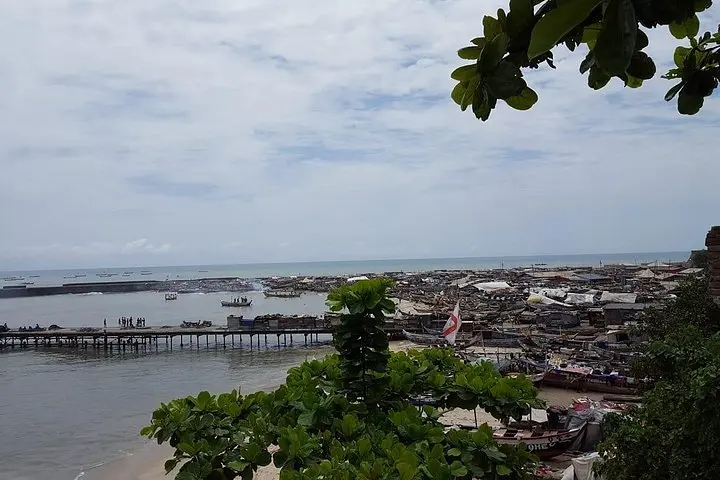
Early morning in Accra feels like a city waking up on purpose: the ocean breeze pushes through broad-leafed trees, street vendors unfurl colorful cloths, and the hum of tro-tros gathers rhythm. On this private cultural tour you move at that pulse — down residential lanes of the Ga people, past clapboard houses with painted shutters, and through sections labeled British, Dutch and Brazilian Accra where colonial-era architecture jostles with modern shopfronts.
Early morning in Accra feels like a city waking up on purpose: the ocean breeze pushes through broad-leafed trees, street vendors unfurl colorful cloths, and the hum of tro-tros gathers rhythm. On this private cultural tour you move at that pulse — down residential lanes of the Ga people, past clapboard houses with painted shutters, and through sections labeled British, Dutch and Brazilian Accra where colonial-era architecture jostles with modern shopfronts.
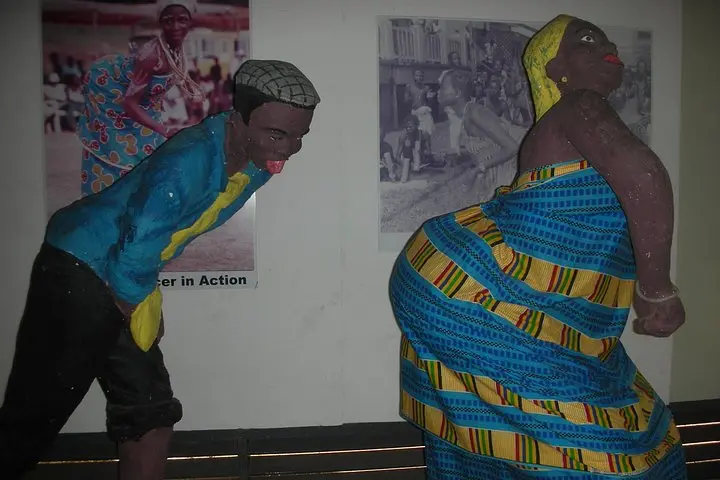
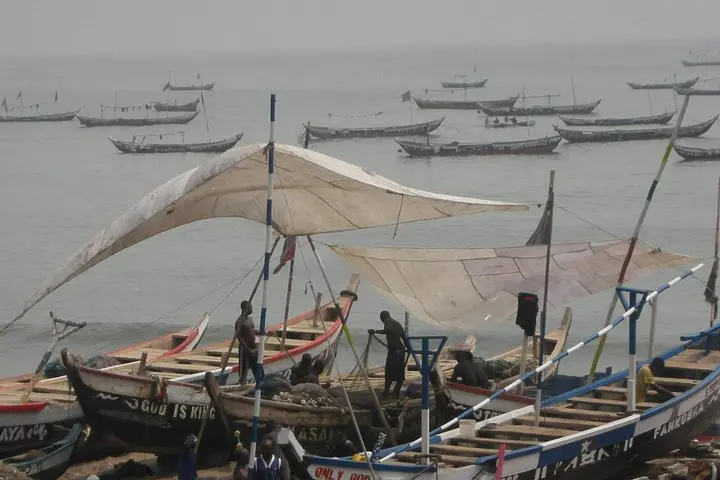
The area’s history is layered: coastal trade, migration patterns and the complex legacy of European forts shaped neighborhood identities. Geologically the city sits on coastal plains and stretches of lateritic soil; the Atlantic’s presence moderates temperature and gives the air a salt-edged clarity that punctuates market spices and grilled fish. Local guides frame stories of migration, religious practice and craftsmanship — kente weavers, fishmongers, and family compounds — offering access to homes and community spaces not always open to visitors.
Expect 2–3 hours of mostly flat walking with brief vehicular transfers, frequent stops for photos and conversation, and a relaxed pace suited to travelers with moderate fitness. Practicals: go early or late afternoon to avoid peak heat, carry cash for small purchases, and wear closed-toe shoes for uneven sidewalks.
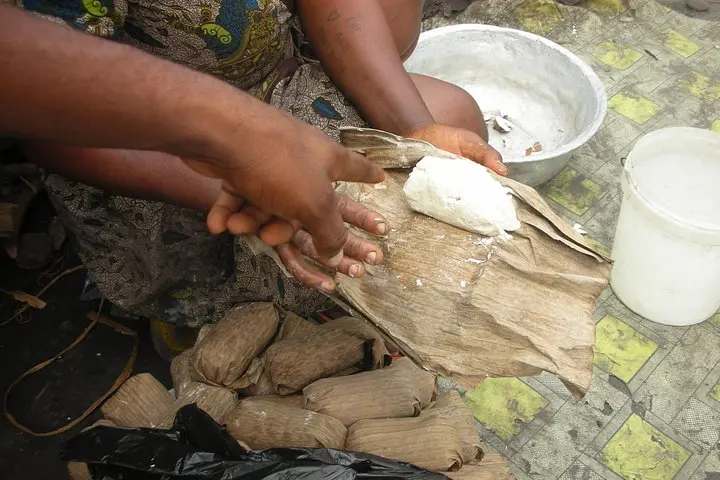
This tour is both contextual and intimate: it’s less about ticking monuments and more about listening to a neighborhood. Respectful questions, modest dress at private homes, and a readiness to taste street food will deepen the experience.
Frequently asked questions
The tour typically lasts 2–3 hours and is offered as a private, guided experience with short vehicle transfers if needed.
Yes—infant seats are available and the pace is moderate, but travelers should consider heat and crowds for young children.
A guide can arrange respectful access to certain family compounds or community spaces, but entry depends on local consent.
Guides commonly speak English and local languages; confirm language needs at booking for specialized interpretation.
About This Experience
Classic Holidays operates guided outdoor trips and adventures with an emphasis on safety, stewardship, and memorable experiences.
Adventure tips
Recommended gear
- Comfortable walking shoes: Provides support on uneven sidewalks and sandy stretches.
- Reusable water bottle: Staying hydrated is crucial in Accra’s warm coastal climate.
- Light rain jacket or poncho: Protects against short tropical showers, especially during the rainy season.
- Small change purse: Useful for market purchases, tips, and transport fares.
Photos of the experience
Related adventures & guides
Read the full experience
Early morning in Accra feels like a city waking up on purpose: the ocean breeze pushes through broad-leafed trees, street vendors unfurl colorful cloths, and the hum of tro-tros gathers rhythm. On this private cultural tour you move at that pulse — down residential lanes of the Ga people, past clapboard houses with painted shutters, and through sections labeled British, Dutch and Brazilian Accra where colonial-era architecture jostles with modern shopfronts.
Early morning in Accra feels like a city waking up on purpose: the ocean breeze pushes through broad-leafed trees, street vendors unfurl colorful cloths, and the hum of tro-tros gathers rhythm. On this private cultural tour you move at that pulse — down residential lanes of the Ga people, past clapboard houses with painted shutters, and through sections labeled British, Dutch and Brazilian Accra where colonial-era architecture jostles with modern shopfronts.
The area’s history is layered: coastal trade, migration patterns and the complex legacy of European forts shaped neighborhood identities. Geologically the city sits on coastal plains and stretches of lateritic soil; the Atlantic’s presence moderates temperature and gives the air a salt-edged clarity that punctuates market spices and grilled fish. Local guides frame stories of migration, religious practice and craftsmanship — kente weavers, fishmongers, and family compounds — offering access to homes and community spaces not always open to visitors.
Expect 2–3 hours of mostly flat walking with brief vehicular transfers, frequent stops for photos and conversation, and a relaxed pace suited to travelers with moderate fitness. Practicals: go early or late afternoon to avoid peak heat, carry cash for small purchases, and wear closed-toe shoes for uneven sidewalks.
This tour is both contextual and intimate: it’s less about ticking monuments and more about listening to a neighborhood. Respectful questions, modest dress at private homes, and a readiness to taste street food will deepen the experience.
Make a day of it nearby.
Verified experiences and guided adventures in the surrounding area.