THE ADVENTURE COLLECTIVE® · Independent discovery and booking for outdoor travel

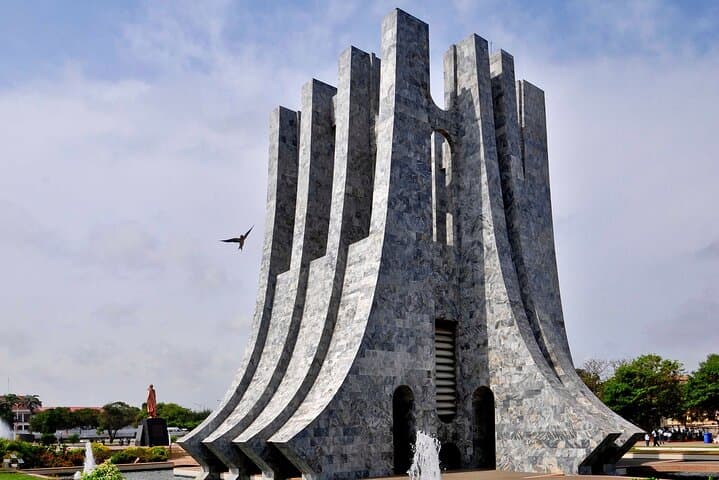
Explore Accra in a focused six‑hour loop that pairs monuments like the Kwame Nkrumah Mausoleum with bustling markets, contemporary galleries and a sunset beach cinema. Practical tips on timing, cash, and what to wear help you get the most from a day of history, food, and local color.
Explore Accra in a focused six‑hour loop that pairs monuments like the Kwame Nkrumah Mausoleum with bustling markets, contemporary galleries and a sunset beach cinema. Practical tips on timing, cash, and what to wear help you get the most from a day of history, food, and local color.
Morning at the W.E.B. DuBois Centre feels immediate: sun on concrete, the scent of roasted plantain, and a steady rhythm of vendors arranging goods. The guide outlines the day and the city unfolds — ceremonial plazas, market alleys, a contemporary gallery, and finally the beach where evening film and waves meet.
Verified experiences and guided adventures in the surrounding area.
Operated by AdeAfrica · Accra, Greater Accra Region
Morning at the W.E.B. DuBois Centre feels immediate: sun on concrete, the scent of roasted plantain, and a steady rhythm of vendors arranging goods. The guide outlines the day and the city unfolds — ceremonial plazas, market alleys, a contemporary gallery, and finally the beach where evening film and waves meet.
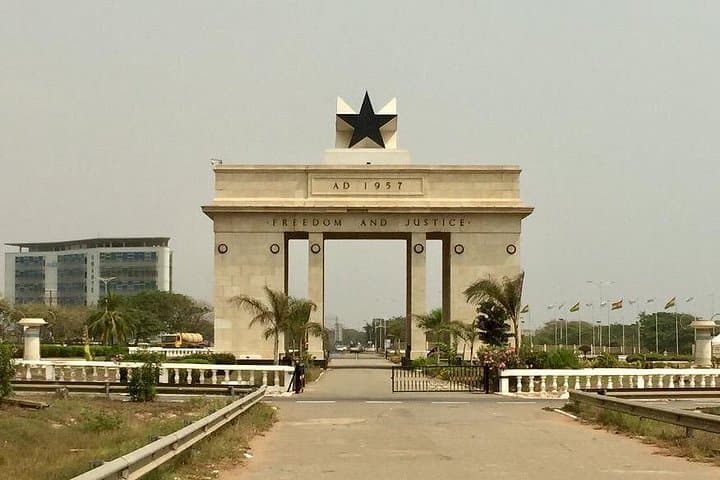
Accra wears history in public spaces. The DuBois Centre recalls Pan‑African thought; Black Star Square hosts national parades; the Kwame Nkrumah Mausoleum anchors Ghana’s independence story. Geologically the coast is young—sandy spits and the Gulf of Guinea’s shallow shelf—while inland streets reveal compacted laterite underfoot and pockets of colonial masonry.
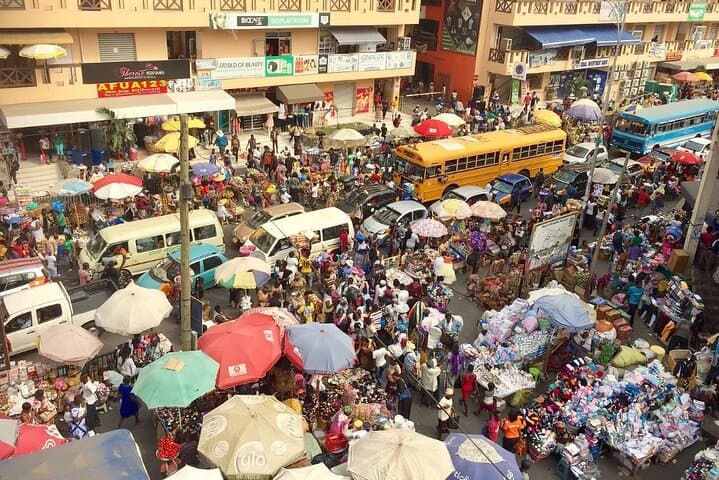
Culture here is tactile: textiles and carved wood at markets, highlife and spoken word in galleries, and the easy, direct friendliness of vendors who’ll invite a conversation as readily as a sale. Jamestown’s lighthouse and colonial staircases show a grittier, atmospheric side of Accra that contrasts with the leafy diplomatic neighborhoods.
Practical guide: expect about six hours with mostly flat, urban walking interspersed with brief drives. Terrain is pavement and market lanes—comfortable walking shoes and sun protection are musts. Bring cedi cash for small purchases, keep water handy and plan for humidity; mornings are cooler and easier for photography. The tour includes transport and admissions, but modest tipping for guides and drivers is customary. If you want a quieter visit, request earlier stops at markets before midday crowds. The day finishes at a beach cinema—arrive with a light jacket after sunset when the Harmattan can nudge the temperature down.
easy.
6 hours.
Suitable for most fitness levels; involves several short walks and standing periods
Yes — the tour provides private transportation between listed stops as part of the itinerary.
Admissions to the stated attractions and light snacks/refreshments are included in the tour price.
The tour is family‑friendly; infant seats are available and the pace is gentle, but check specific age limits when booking.
Guides commonly speak English; ask the operator in advance if you need another language or accessibility accommodations.
Accra became a focal point for independence politics; Kwame Nkrumah led Ghana to become the first sub‑Saharan African nation to gain independence in 1957.
Be mindful of plastic waste on beaches and in markets; favor reusable bottles and support vendors who use minimal plastic packaging.
AdeAfrica operates guided outdoor trips and adventures with an emphasis on safety, stewardship, and memorable experiences.

Morning at the W.E.B. DuBois Centre feels immediate: sun on concrete, the scent of roasted plantain, and a steady rhythm of vendors arranging goods. The guide outlines the day and the city unfolds — ceremonial plazas, market alleys, a contemporary gallery, and finally the beach where evening film and waves meet.
Morning at the W.E.B. DuBois Centre feels immediate: sun on concrete, the scent of roasted plantain, and a steady rhythm of vendors arranging goods. The guide outlines the day and the city unfolds — ceremonial plazas, market alleys, a contemporary gallery, and finally the beach where evening film and waves meet.
Accra wears history in public spaces. The DuBois Centre recalls Pan‑African thought; Black Star Square hosts national parades; the Kwame Nkrumah Mausoleum anchors Ghana’s independence story. Geologically the coast is young—sandy spits and the Gulf of Guinea’s shallow shelf—while inland streets reveal compacted laterite underfoot and pockets of colonial masonry.
Culture here is tactile: textiles and carved wood at markets, highlife and spoken word in galleries, and the easy, direct friendliness of vendors who’ll invite a conversation as readily as a sale. Jamestown’s lighthouse and colonial staircases show a grittier, atmospheric side of Accra that contrasts with the leafy diplomatic neighborhoods.
Practical guide: expect about six hours with mostly flat, urban walking interspersed with brief drives. Terrain is pavement and market lanes—comfortable walking shoes and sun protection are musts. Bring cedi cash for small purchases, keep water handy and plan for humidity; mornings are cooler and easier for photography. The tour includes transport and admissions, but modest tipping for guides and drivers is customary. If you want a quieter visit, request earlier stops at markets before midday crowds. The day finishes at a beach cinema—arrive with a light jacket after sunset when the Harmattan can nudge the temperature down.