THE ADVENTURE COLLECTIVE® · Independent discovery and booking for outdoor travel

Turn Accra’s streets into a live puzzle: solve clues that lead you through national landmarks, local markets, and cultural touchstones on this two-hour city treasure hunt. Expect easy walking, lively interactions, and up-close history.
Turn Accra’s streets into a live puzzle: solve clues that lead you through national landmarks, local markets, and cultural touchstones on this two-hour city treasure hunt. Expect easy walking, lively interactions, and up-close history.
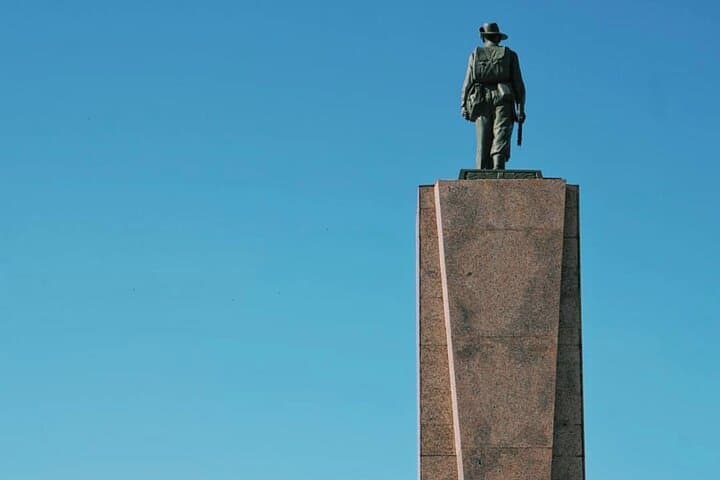
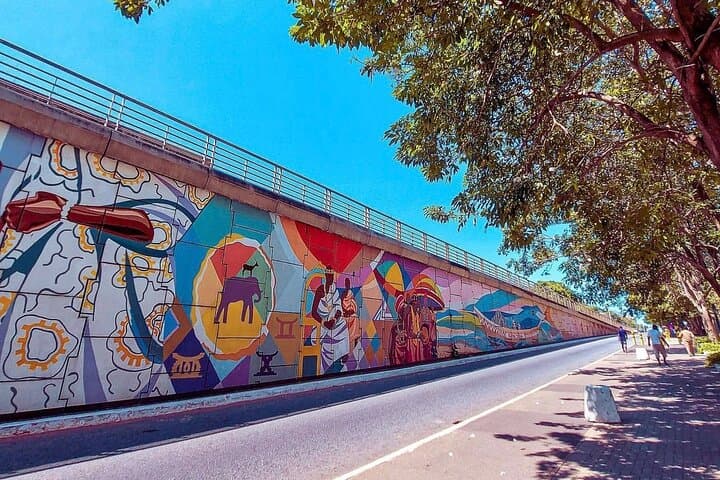
You start at a sun-warmed plaza, map in hand, and the city pulls you along—market calls, painted murals, and the distant cough of traffic setting the tempo. The Accra City Treasure Hunt turns ordinary streets into a route of small revelations: a bronze monument that marks a turning point in history, a tucked-away gallery where contemporary kente patterns push color into the air, and alleyways where vendors trade stories as easily as goods.
Verified experiences and guided adventures in the surrounding area.
Operated by Trips And Tribes · Accra, Greater Accra Region
You start at a sun-warmed plaza, map in hand, and the city pulls you along—market calls, painted murals, and the distant cough of traffic setting the tempo. The Accra City Treasure Hunt turns ordinary streets into a route of small revelations: a bronze monument that marks a turning point in history, a tucked-away gallery where contemporary kente patterns push color into the air, and alleyways where vendors trade stories as easily as goods.
Accra’s bones are a layered story—pre-colonial Ga settlements, 19th-century coastal forts, and the mid-20th-century surge toward independence led by Kwame Nkrumah. Geology is subtle here: low coastal plains, sandy soils, and the Atlantic’s influence shaping the city’s layout and trade routes. Culture arrives in rhythms—highlife beats, stall vendors, and public art that invites interpretation.
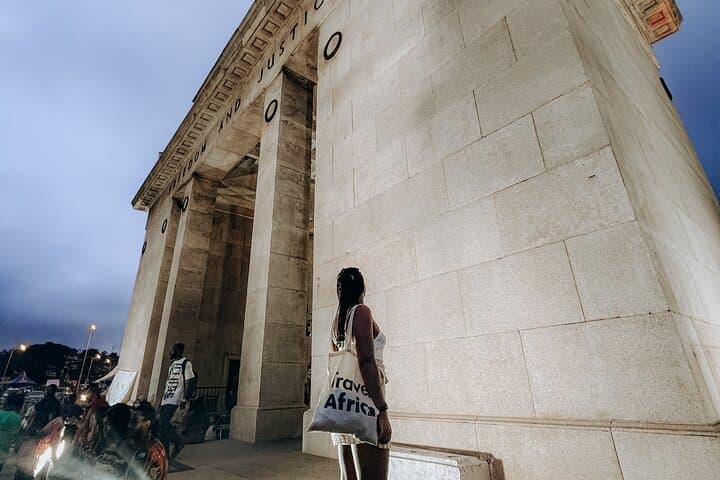
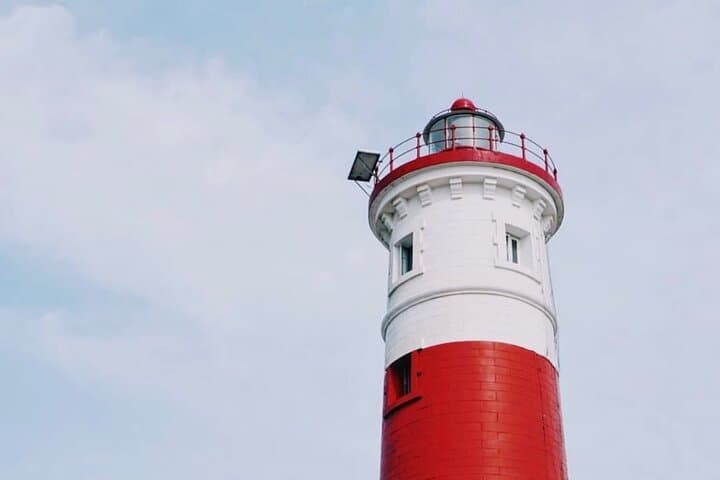
The hunt moves at walking pace, built around landmarks like Kwame Nkrumah Memorial Park, the Ghana National Museum, and Accra Arts Centre. Clues ask you to observe, converse, and piece history and present together; the reward is both a final puzzle and the conversations you’ll have with locals along the way.
Practical notes: expect two hours of easy urban walking on paved streets and occasional uneven sidewalks. Carry water, sun protection, and local currency for snacks or small purchases. Mornings are cooler and less congested; afternoons bring heat and busier markets. Guide-led and private options mean flexible pacing—bring curiosity and comfortable shoes, and let the city challenge you politely.
easy.
2 hours.
Suitable for most fitness levels; requires short bursts of walking and standing.
Meeting and end points are typically in central Accra near major landmarks; confirmation will include precise meeting details.
Yes—this is family-friendly and rated easy, but younger children should be supervised in busy market areas.
Guides commonly speak English and often local languages; check in advance if you need a specific language.
Tours continue in light rain; organizers advise canceling 24 hours in advance for a full refund if you prefer not to go.
Accra grew from Ga trading settlements into a colonial port; Kwame Nkrumah’s independence movement placed the city at the center of Ghana’s modern nationhood.
Be mindful of litter in busy market areas, support local vendors, and avoid touching artifacts or monuments; sustainable tourism helps preserve neighborhoods and livelihoods.
Trips And Tribes operates guided outdoor trips and adventures with an emphasis on safety, stewardship, and memorable experiences.
You start at a sun-warmed plaza, map in hand, and the city pulls you along—market calls, painted murals, and the distant cough of traffic setting the tempo. The Accra City Treasure Hunt turns ordinary streets into a route of small revelations: a bronze monument that marks a turning point in history, a tucked-away gallery where contemporary kente patterns push color into the air, and alleyways where vendors trade stories as easily as goods.
You start at a sun-warmed plaza, map in hand, and the city pulls you along—market calls, painted murals, and the distant cough of traffic setting the tempo. The Accra City Treasure Hunt turns ordinary streets into a route of small revelations: a bronze monument that marks a turning point in history, a tucked-away gallery where contemporary kente patterns push color into the air, and alleyways where vendors trade stories as easily as goods.
Accra’s bones are a layered story—pre-colonial Ga settlements, 19th-century coastal forts, and the mid-20th-century surge toward independence led by Kwame Nkrumah. Geology is subtle here: low coastal plains, sandy soils, and the Atlantic’s influence shaping the city’s layout and trade routes. Culture arrives in rhythms—highlife beats, stall vendors, and public art that invites interpretation.
The hunt moves at walking pace, built around landmarks like Kwame Nkrumah Memorial Park, the Ghana National Museum, and Accra Arts Centre. Clues ask you to observe, converse, and piece history and present together; the reward is both a final puzzle and the conversations you’ll have with locals along the way.
Practical notes: expect two hours of easy urban walking on paved streets and occasional uneven sidewalks. Carry water, sun protection, and local currency for snacks or small purchases. Mornings are cooler and less congested; afternoons bring heat and busier markets. Guide-led and private options mean flexible pacing—bring curiosity and comfortable shoes, and let the city challenge you politely.