THE ADVENTURE COLLECTIVE® · Independent discovery and booking for outdoor travel

Explore Accra’s coastal forts, lively markets, and independence monuments on a private full-day tour. This practical guide outlines what you’ll see, how to prepare, and how to move through the city like a confident traveler.
Explore Accra’s coastal forts, lively markets, and independence monuments on a private full-day tour. This practical guide outlines what you’ll see, how to prepare, and how to move through the city like a confident traveler.
You start on a humid morning at the edge of the Gulf of Guinea, sea breeze brushing the Promenade as the city wakes. Vendors arrange goods on tarps, taxis beep, and the guide from Freelance Nana counts heads in a bright, logoed shirt. The rhythm of Accra is immediate — traffic, conversation, and a coastline that both frames and pushes the city inland.
Verified experiences and guided adventures in the surrounding area.
Operated by Freelancenana Travel And Tours · Accra, Greater Accra Region
You start on a humid morning at the edge of the Gulf of Guinea, sea breeze brushing the Promenade as the city wakes. Vendors arrange goods on tarps, taxis beep, and the guide from Freelance Nana counts heads in a bright, logoed shirt. The rhythm of Accra is immediate — traffic, conversation, and a coastline that both frames and pushes the city inland.
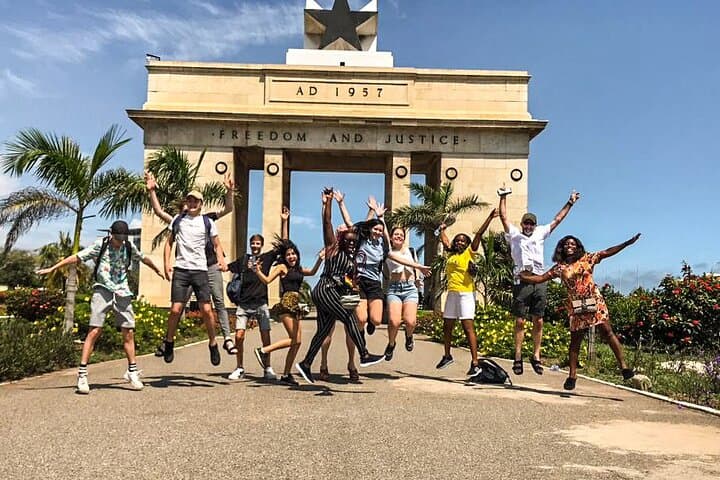
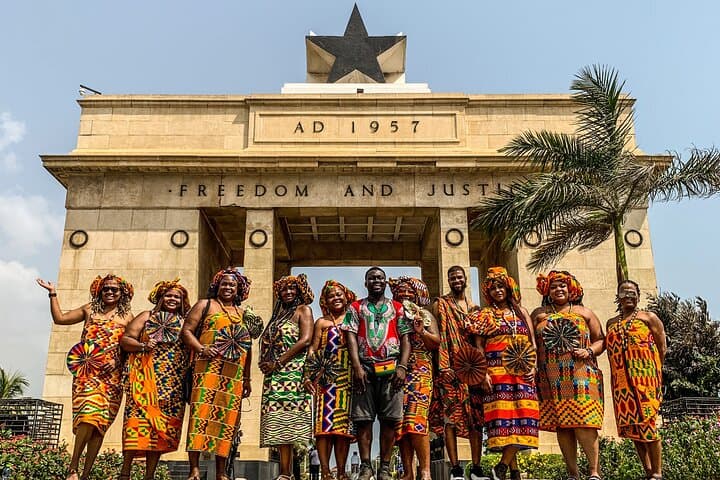
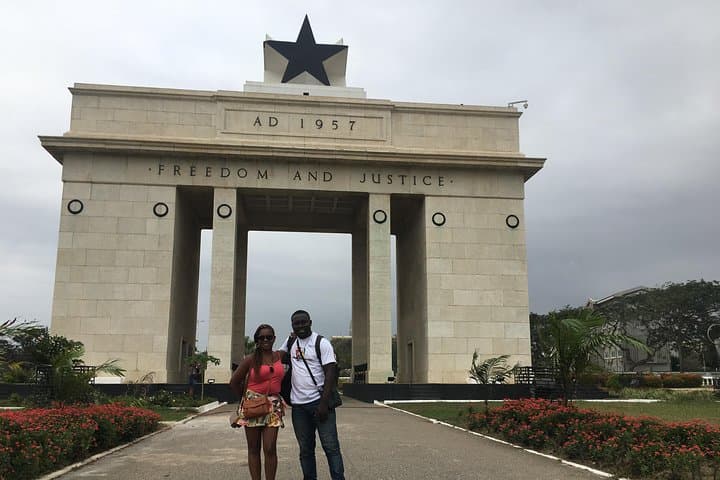
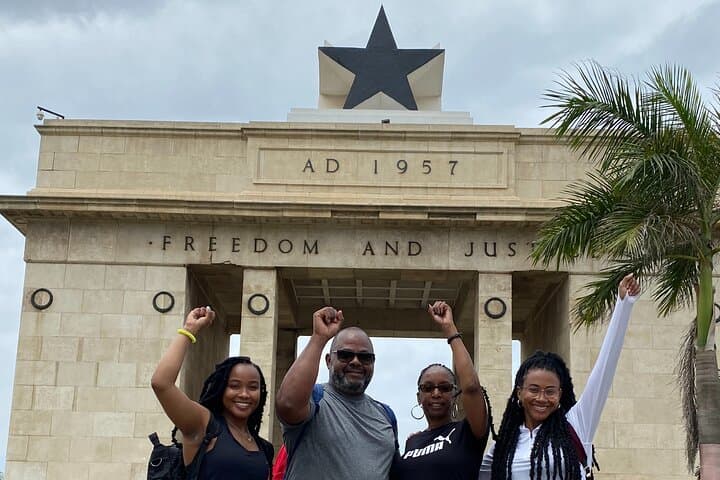
The route threads colonial forts and post-independence monuments: Christiansborg (Osu) Castle, a Danish-built stronghold that later became Ghana’s seat of government; Black Star Square where Independence Day parades mark national memory; and the intimate shrine of Kwame Nkrumah at the Mausoleum. Geologically, Accra sits on ancient coastal plains with visible littering of sandstone outcrops along parts of the shore and broad, low-lying urban terrain shaped by seasonal rains.
Culturally, markets pulse with barter and color: Makola Market’s narrow alleys are commerce and conversation, while nearby woodcarver workshops produce the famous fantasy coffins — functional objects that also narrate identity. Local guides blend history with personal stories, turning facts into landmarks you can touch.
Practical guidance: this private, full-day tour covers about 6–10 km of walking spread between stops and vehicle transfers; wear closed-toe walking shoes and light, breathable clothing. Bring cash for market purchases and small museum admissions, and a small daypack for water and sunscreen. Expect intermittent shade; schedule morning starts to avoid the hottest midday sun. Keep valuables secure in crowded markets and follow your guide’s lead for the best photo vantage points and respectful behavior at memorial sites.
easy.
7 hours.
Suitable for most fitness levels—expect multiple short walks and some standing; basic stamina for a full-day outing is helpful.
The tour is approximately 7 hours and includes private transport, a guide, lunch, bottled water, snacks, and entrance fees to listed sites.
Yes—this private tour is marked as physically easy and suitable for all fitness levels; infants must sit on laps during transport.
Yes—inform the operator of dietary needs when booking and they will make arrangements for lunch.
Cancel at least 24 hours before the scheduled time for a full refund; tours may be rescheduled or refunded if run in poor weather.
Accra’s coastal forts date to 17th-century European trading posts; sites like Christiansborg changed hands among Danes, Brits and local powers and later housed Ghana’s government.
Archaeological work at Christiansborg and local craft preservation are ongoing; visitors can reduce impact by using refillable water bottles and avoiding single-use plastics.
Freelancenana Travel And Tours operates guided outdoor trips and adventures with an emphasis on safety, stewardship, and memorable experiences.
You start on a humid morning at the edge of the Gulf of Guinea, sea breeze brushing the Promenade as the city wakes. Vendors arrange goods on tarps, taxis beep, and the guide from Freelance Nana counts heads in a bright, logoed shirt. The rhythm of Accra is immediate — traffic, conversation, and a coastline that both frames and pushes the city inland.
You start on a humid morning at the edge of the Gulf of Guinea, sea breeze brushing the Promenade as the city wakes. Vendors arrange goods on tarps, taxis beep, and the guide from Freelance Nana counts heads in a bright, logoed shirt. The rhythm of Accra is immediate — traffic, conversation, and a coastline that both frames and pushes the city inland.
The route threads colonial forts and post-independence monuments: Christiansborg (Osu) Castle, a Danish-built stronghold that later became Ghana’s seat of government; Black Star Square where Independence Day parades mark national memory; and the intimate shrine of Kwame Nkrumah at the Mausoleum. Geologically, Accra sits on ancient coastal plains with visible littering of sandstone outcrops along parts of the shore and broad, low-lying urban terrain shaped by seasonal rains.
Culturally, markets pulse with barter and color: Makola Market’s narrow alleys are commerce and conversation, while nearby woodcarver workshops produce the famous fantasy coffins — functional objects that also narrate identity. Local guides blend history with personal stories, turning facts into landmarks you can touch.
Practical guidance: this private, full-day tour covers about 6–10 km of walking spread between stops and vehicle transfers; wear closed-toe walking shoes and light, breathable clothing. Bring cash for market purchases and small museum admissions, and a small daypack for water and sunscreen. Expect intermittent shade; schedule morning starts to avoid the hottest midday sun. Keep valuables secure in crowded markets and follow your guide’s lead for the best photo vantage points and respectful behavior at memorial sites.