THE ADVENTURE COLLECTIVE® · Independent discovery and booking for outdoor travel

Board an accessible vessel off Tenerife for a three‑hour cetacean-watching cruise with a swim stop, adaptive boarding, and snorkel gear included. Read on for what to expect, accessibility details, and practical tips for making the most of the trip.
Board an accessible vessel off Tenerife for a three‑hour cetacean-watching cruise with a swim stop, adaptive boarding, and snorkel gear included. Read on for what to expect, accessibility details, and practical tips for making the most of the trip.
A low-slung vessel sidles away from the harbor as the Atlantic breathes against Tenerife’s southern coast; sunlight fractures on the water and the boat’s hydraulic platform hums, ready to lower guests into clear, cool sea. You feel the hull’s steady pulse beneath your feet and the guide’s binocular sweep down the flank—dolphins arc ahead, racing currents in play, while the captain eases toward quieter coves for a supervised swim.
Verified experiences and guided adventures in the surrounding area.
Operated by BAT4ALL Barco Accesible Tenerife · Los Cristianos, Santa Cruz de Tenerife
A low-slung vessel sidles away from the harbor as the Atlantic breathes against Tenerife’s southern coast; sunlight fractures on the water and the boat’s hydraulic platform hums, ready to lower guests into clear, cool sea. You feel the hull’s steady pulse beneath your feet and the guide’s binocular sweep down the flank—dolphins arc ahead, racing currents in play, while the captain eases toward quieter coves for a supervised swim.
The Canary Islands sit on an underwater volcanic shelf, a mix of deep channels and shoals that funnels cetaceans through temperate waters. These shores have long been a waypoint for sailors and marine life; today local operators work under regional conservation guidance to observe whales and dolphins without disturbing them. The tour also highlights Tenerife’s recent commitment to accessible tourism—hydraulic boarding platforms, wheelchair-accessible restrooms, and adapted seating mean more people can share the ocean’s spectacle.
Expect a three-hour outing that combines short wildlife-watch legs with a bay stop for snorkeling. Guides explain species ID and best-practice viewing—no chasing, slow approaches, and minimal engine noise. Swim segments use provided snorkel gear; staff can assist guests with mobility needs. Snacks and soft drinks are included, and the boat accommodates strollers and service animals.
Practical tips: bring reef-safe sunscreen, a towel, and seasickness prevention if you’re prone to rolling swells. Arrive at the port 30 minutes early to check accessibility requests and finalize any adaptive equipment. Timing your trip for calmer summer seas increases the chance of close encounters, while off-peak mornings often mean quieter viewing and softer light for photos.
easy.
3 hours.
Suitable for most fitness levels; minimal mobility required for basic participation but some transfers may need assistance
Yes—the vessel features a hydraulic boarding platform, wheelchair-accessible restrooms, and staff trained to assist transfers; notify the operator of wheelchair users when booking.
Wildlife sightings are common in these waters but not guaranteed; operators follow responsible viewing rules to avoid disturbing animals and maximize safe encounters.
Snorkelling gear is provided as part of the tour; staff can assist with fitting and with entering the water for those needing extra support.
Full refunds are available if you cancel at least 24 hours before departure; operators may cancel in bad weather and will offer refunds in that case.
Tenerife’s coasts have long been important for Atlantic navigation; today the islands balance tourism with marine protections that support rich cetacean populations.
Operators follow regional marine reserve guidelines—maintain distance, avoid chasing animals, and never feed wildlife to minimize disturbance and long-term impacts.
BAT4ALL Barco Accesible Tenerife operates guided outdoor trips and adventures with an emphasis on safety, stewardship, and memorable experiences.
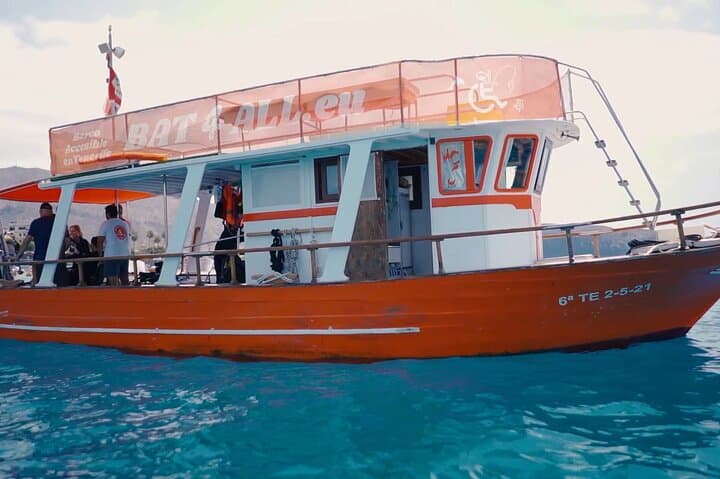
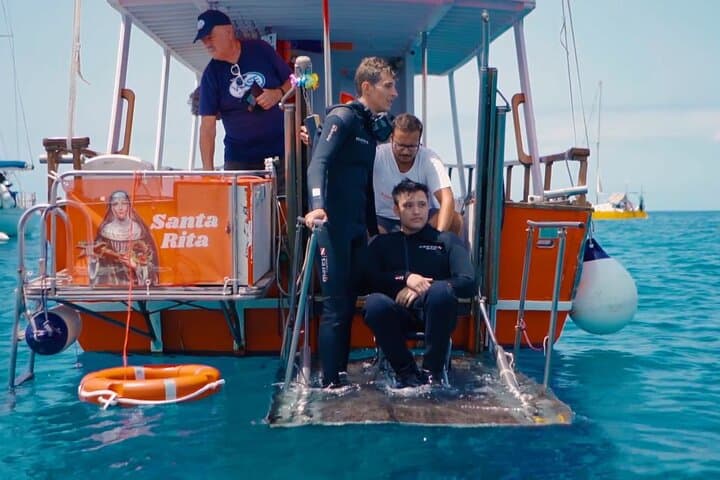
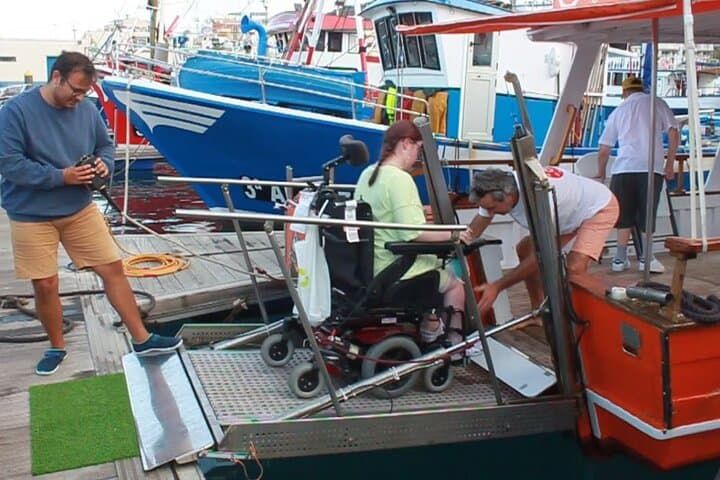
A low-slung vessel sidles away from the harbor as the Atlantic breathes against Tenerife’s southern coast; sunlight fractures on the water and the boat’s hydraulic platform hums, ready to lower guests into clear, cool sea. You feel the hull’s steady pulse beneath your feet and the guide’s binocular sweep down the flank—dolphins arc ahead, racing currents in play, while the captain eases toward quieter coves for a supervised swim.
A low-slung vessel sidles away from the harbor as the Atlantic breathes against Tenerife’s southern coast; sunlight fractures on the water and the boat’s hydraulic platform hums, ready to lower guests into clear, cool sea. You feel the hull’s steady pulse beneath your feet and the guide’s binocular sweep down the flank—dolphins arc ahead, racing currents in play, while the captain eases toward quieter coves for a supervised swim.
The Canary Islands sit on an underwater volcanic shelf, a mix of deep channels and shoals that funnels cetaceans through temperate waters. These shores have long been a waypoint for sailors and marine life; today local operators work under regional conservation guidance to observe whales and dolphins without disturbing them. The tour also highlights Tenerife’s recent commitment to accessible tourism—hydraulic boarding platforms, wheelchair-accessible restrooms, and adapted seating mean more people can share the ocean’s spectacle.
Expect a three-hour outing that combines short wildlife-watch legs with a bay stop for snorkeling. Guides explain species ID and best-practice viewing—no chasing, slow approaches, and minimal engine noise. Swim segments use provided snorkel gear; staff can assist guests with mobility needs. Snacks and soft drinks are included, and the boat accommodates strollers and service animals.
Practical tips: bring reef-safe sunscreen, a towel, and seasickness prevention if you’re prone to rolling swells. Arrive at the port 30 minutes early to check accessibility requests and finalize any adaptive equipment. Timing your trip for calmer summer seas increases the chance of close encounters, while off-peak mornings often mean quieter viewing and softer light for photos.