THE ADVENTURE COLLECTIVE® · Independent discovery and booking for outdoor travel

A short, accessible loop around Funchal’s best coastal viewpoints and the famous glass skywalk. Designed for manual, electric and scooter chairs, the half-day tour blends geology, fishing‑village culture and panoramic ocean views.
A short, accessible loop around Funchal’s best coastal viewpoints and the famous glass skywalk. Designed for manual, electric and scooter chairs, the half-day tour blends geology, fishing‑village culture and panoramic ocean views.
The bus eases out of Funchal and the Atlantic pushes at the cliffs, a steady reminder that Madeira was carved by fire and sea.
Verified experiences and guided adventures in the surrounding area.
Operated by Madeira Acessivel By Wheelchair · Funchal, Madeira
The bus eases out of Funchal and the Atlantic pushes at the cliffs, a steady reminder that Madeira was carved by fire and sea.
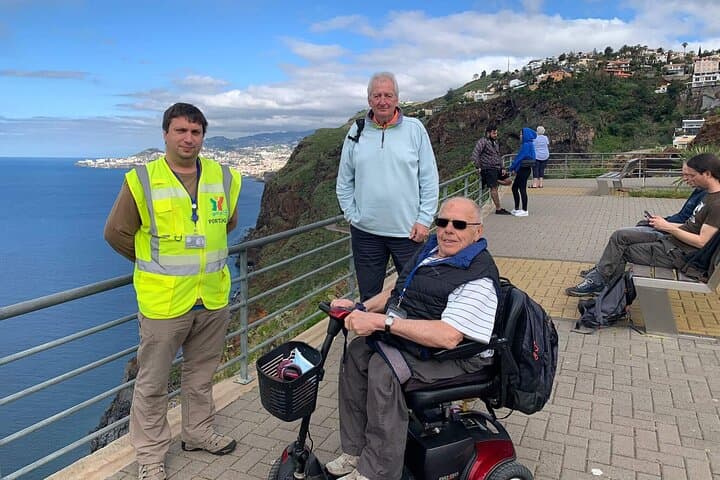
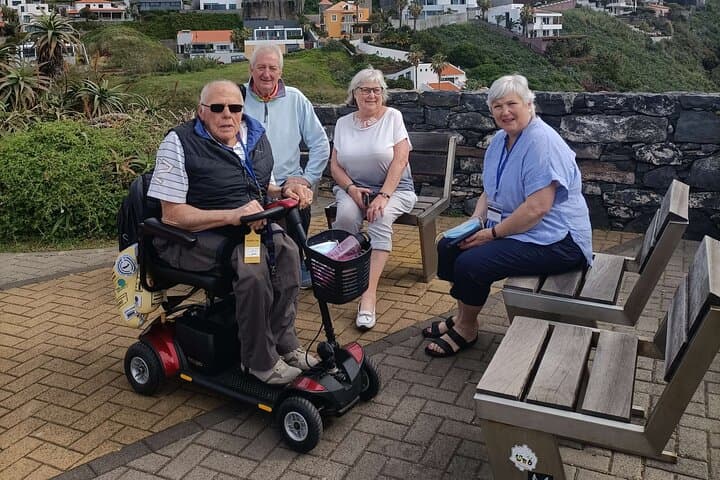
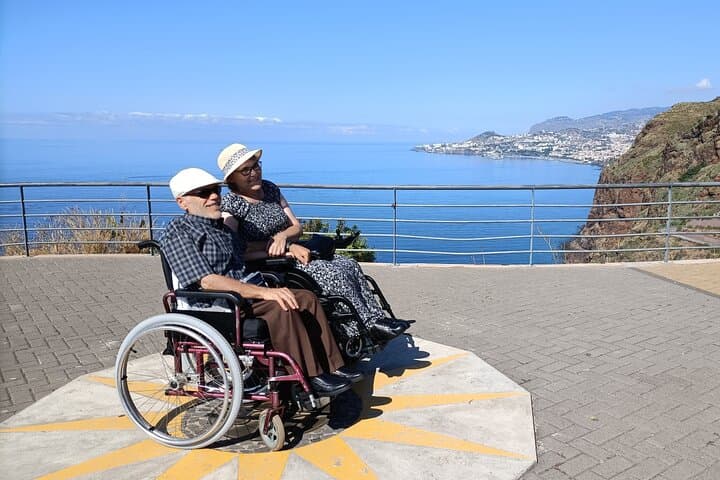
On this half-day loop, riders in manual, electric and scooter chairs move between raised viewpoints and a famous glass platform where the ocean seems to pull the cliff’s edge forward. Guides stop for photo-ready vistas over Funchal, steer through the narrow streets of a working fishing village and pause at a restaurant terrace for a drink and the sound of waves.
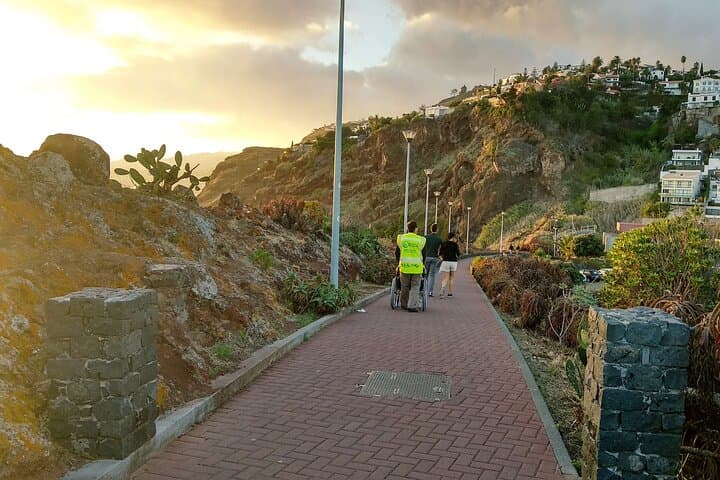
Madeira’s geology is obvious: steep volcanic escarpments, terraces carved for agriculture, and basalt walls that frame the coastline. Culture here is coastal and hands-on — fishermen’s drinks like poncha and small harbor cafés remain part of daily life in the villages passed on the route.
Practical notes: the tour runs about 3–4 hours in an air-conditioned vehicle, limited to small shared groups. Accessibility is high for transport and many stops, but some viewpoints have ramps with steep inclines or short steps that require temporary ramping assistance; the operator adapts routes for individual mobility needs. Expect on-board Wi‑Fi and bottled water; service animals allowed.
Best times are morning or late afternoon light to avoid midday glare and crowds. Bring spare battery power for electric chairs, layered clothing for coastal wind, and your passport details for booking confirmation. Guides tailor pacing so participants can enjoy the views without rush — this is sightseeing with accessibility at its core.
easy.
3–4 hours.
Suitable for all physical fitness levels; mobility must be supported by a wheelchair user or companion as needed.
Transport and most stops are wheelchair accessible, and manual, electric and scooter chairs are accepted; some viewpoints have steep ramps or short steps requiring temporary ramping assistance.
The shared tour lasts about 3–4 hours and includes transport in an air-conditioned vehicle, bottled water and local guiding; meals are not included.
Yes — service animals are permitted; notify the operator when booking so drivers can accommodate spaces.
Full refunds are available if you cancel at least 24 hours before departure; weather or insufficient travelers can also prompt cancellations with refund options.
Madeira formed from volcanic activity; coastal settlements grew around fishing and wine production, shaping local cuisine and harbor culture.
Visitors are encouraged to stay on designated paths and support local businesses; minimize battery swaps and dispose of waste responsibly to protect cliffside habitats.
Madeira Acessivel By Wheelchair operates guided outdoor trips and adventures with an emphasis on safety, stewardship, and memorable experiences.
The bus eases out of Funchal and the Atlantic pushes at the cliffs, a steady reminder that Madeira was carved by fire and sea.
The bus eases out of Funchal and the Atlantic pushes at the cliffs, a steady reminder that Madeira was carved by fire and sea.
On this half-day loop, riders in manual, electric and scooter chairs move between raised viewpoints and a famous glass platform where the ocean seems to pull the cliff’s edge forward. Guides stop for photo-ready vistas over Funchal, steer through the narrow streets of a working fishing village and pause at a restaurant terrace for a drink and the sound of waves.
Madeira’s geology is obvious: steep volcanic escarpments, terraces carved for agriculture, and basalt walls that frame the coastline. Culture here is coastal and hands-on — fishermen’s drinks like poncha and small harbor cafés remain part of daily life in the villages passed on the route.
Practical notes: the tour runs about 3–4 hours in an air-conditioned vehicle, limited to small shared groups. Accessibility is high for transport and many stops, but some viewpoints have ramps with steep inclines or short steps that require temporary ramping assistance; the operator adapts routes for individual mobility needs. Expect on-board Wi‑Fi and bottled water; service animals allowed.
Best times are morning or late afternoon light to avoid midday glare and crowds. Bring spare battery power for electric chairs, layered clothing for coastal wind, and your passport details for booking confirmation. Guides tailor pacing so participants can enjoy the views without rush — this is sightseeing with accessibility at its core.