THE ADVENTURE COLLECTIVE® · Independent discovery and booking for outdoor travel

Spend a private day moving between Tokyo’s seafood stalls, imperial gardens and bustling temples with a guide who provides wheelchair assistance and local insight. This accessible tour balances city history with practical support and a flexible schedule.
Spend a private day moving between Tokyo’s seafood stalls, imperial gardens and bustling temples with a guide who provides wheelchair assistance and local insight. This accessible tour balances city history with practical support and a flexible schedule.
You step from an air-conditioned van into a lane of sizzling stalls and bright plastic awnings — the outer Tsukiji market humming with vendors who have kept Tokyo’s seafood culture alive even after Toyosu took over the wholesale trade.
Verified experiences and guided adventures in the surrounding area.
Operated by アウテック · Tokyo, Tokyo
You step from an air-conditioned van into a lane of sizzling stalls and bright plastic awnings — the outer Tsukiji market humming with vendors who have kept Tokyo’s seafood culture alive even after Toyosu took over the wholesale trade.
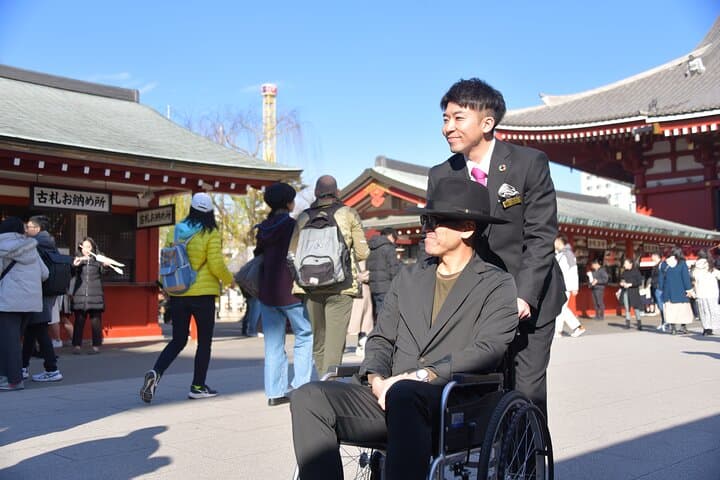
This private, wheelchair-friendly full-day tour threads modern architecture and centuries-old temples: Hamarikyu’s seawater ponds, the show-window drama of Ginza, a drive-by past the Imperial Palace stone walls, then the incense haze and crowds at Senso-ji in Asakusa. The guide is both narrator and practical helper, offering local context on Meiji-era modernization, the Tokugawa legacy that shaped Tokyo’s street lines, and the postwar reconstruction that created today’s skyline.
Geology here is urban: reclaimed bays and engineered gardens that hold seawater ponds, streets layered over former marshes. Culture moves fast — Harajuku’s youth fashion sits blocks from Meiji Shrine’s slow rituals — and the tour’s pace is adjustable to suit rest stops and rhythm.
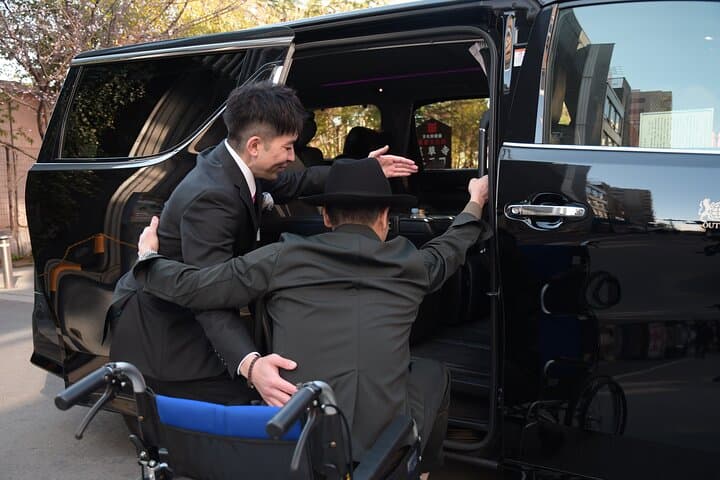
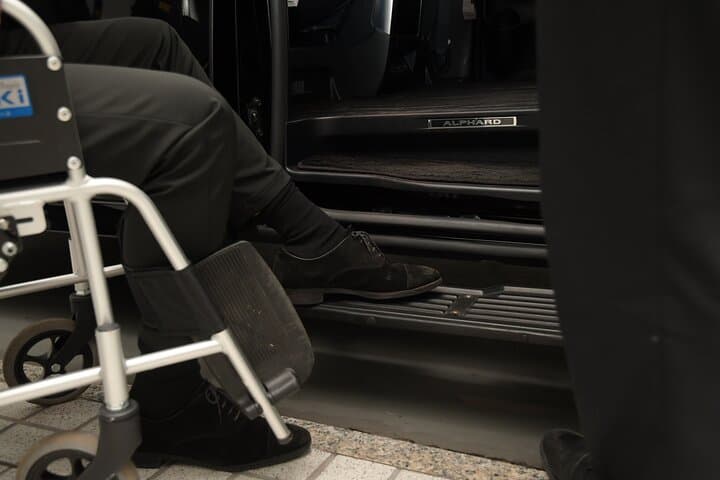
Practically, the operator provides a private vehicle, bottled water, snacks, on-board Wi‑Fi and a guide who assists with transfers; note the vehicle is not fully wheelchair-secure and clients must be able to transfer from their chair into the car. Plan for walking short distances, timed breaks for restroom access, and a midday window for food in wheelchair-accessible restaurants. Midweek mornings are quieter at temples and markets; bring layered clothing, a charged phone, and a list of must-see neighborhoods so the day matches your interests.
easy.
8 hours.
Suitable for travelers of most fitness levels who can perform a short transfer from wheelchair to vehicle and manage brief walks/standing periods
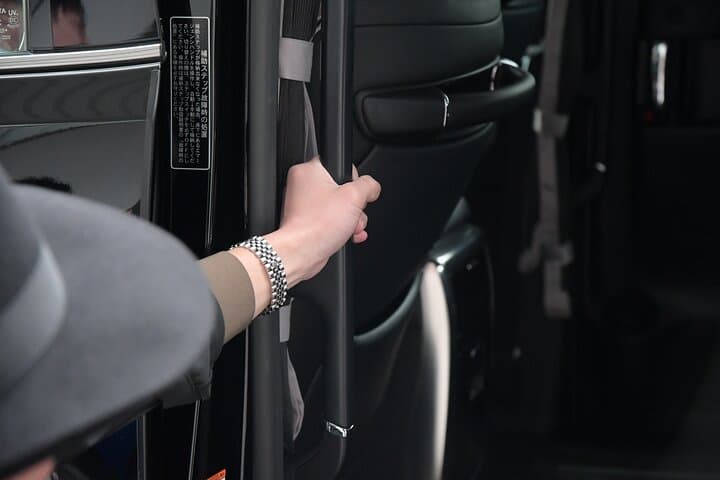
No — the vehicle provides step assistance but is not fully wheelchair-secure; clients must transfer out of their wheelchair to board.
Yes — the private tour is flexible; communicate priorities and mobility needs when booking so the guide can plan appropriate stops.
The operator will plan stops at known accessible restrooms, but availability can vary by neighborhood, so advance notice helps.
Guides will provide physical assistance for vehicle boarding and general guidance but are not medical attendants; specify any special assistance needs when booking.
Tokyo’s layout preserves layers of history — Edo-era castle earthworks became the Imperial Palace, and neighborhoods evolved through Meiji modernization and postwar rebuilding.
Respect busy market stalls and garden rules: dispose of trash in designated bins, minimize single-use plastics, and support businesses that prioritize accessibility and sustainable sourcing.
アウテック operates guided outdoor trips and adventures with an emphasis on safety, stewardship, and memorable experiences.
You step from an air-conditioned van into a lane of sizzling stalls and bright plastic awnings — the outer Tsukiji market humming with vendors who have kept Tokyo’s seafood culture alive even after Toyosu took over the wholesale trade.
You step from an air-conditioned van into a lane of sizzling stalls and bright plastic awnings — the outer Tsukiji market humming with vendors who have kept Tokyo’s seafood culture alive even after Toyosu took over the wholesale trade.
This private, wheelchair-friendly full-day tour threads modern architecture and centuries-old temples: Hamarikyu’s seawater ponds, the show-window drama of Ginza, a drive-by past the Imperial Palace stone walls, then the incense haze and crowds at Senso-ji in Asakusa. The guide is both narrator and practical helper, offering local context on Meiji-era modernization, the Tokugawa legacy that shaped Tokyo’s street lines, and the postwar reconstruction that created today’s skyline.
Geology here is urban: reclaimed bays and engineered gardens that hold seawater ponds, streets layered over former marshes. Culture moves fast — Harajuku’s youth fashion sits blocks from Meiji Shrine’s slow rituals — and the tour’s pace is adjustable to suit rest stops and rhythm.
Practically, the operator provides a private vehicle, bottled water, snacks, on-board Wi‑Fi and a guide who assists with transfers; note the vehicle is not fully wheelchair-secure and clients must be able to transfer from their chair into the car. Plan for walking short distances, timed breaks for restroom access, and a midday window for food in wheelchair-accessible restaurants. Midweek mornings are quieter at temples and markets; bring layered clothing, a charged phone, and a list of must-see neighborhoods so the day matches your interests.