THE ADVENTURE COLLECTIVE® · Independent discovery and booking for outdoor travel

Travel Egypt from the Mediterranean in Alexandria to the sunlit colossi of Abu Simbel on a fully wheelchair-accessible, private 10-day route. This practical, multi-city itinerary combines adapted transfers, short domestic flights and accessible sites so travelers with mobility needs can experience Egypt’s greatest monuments.
Travel Egypt from the Mediterranean in Alexandria to the sunlit colossi of Abu Simbel on a fully wheelchair-accessible, private 10-day route. This practical, multi-city itinerary combines adapted transfers, short domestic flights and accessible sites so travelers with mobility needs can experience Egypt’s greatest monuments.
The trip opens with the salt air of the Mediterranean and a slow coastal drive into Alexandria, then moves inland, following the Nile’s low ribbon as it dares you south toward Abu Simbel’s colossal stone faces.
Verified experiences and guided adventures in the surrounding area.
Operated by This Is Egypt · Cairo, Cairo Governorate
The trip opens with the salt air of the Mediterranean and a slow coastal drive into Alexandria, then moves inland, following the Nile’s low ribbon as it dares you south toward Abu Simbel’s colossal stone faces.
You move between eras: Greco-Roman columns at Pompey’s Pillar, medieval stone at Qaitbay Citadel, and pharaonic temples carved for gods and kings. Geologically the journey traces Egypt’s limestone and sandstone beds, worn smooth by millennia of wind and river, while the Nile Valley’s flat floodplain makes road travel straightforward for adapted vehicles.
Cultural notes arrive quietly: Cairo’s bazaar rhythms at Khan el-Khalili, Nubian colors and music around Aswan, and the engineering story of the Aswan High Dam and the mid-20th-century rescue of Abu Simbel—an international conservation effort that raised and moved the temples to save them from Lake Nasser’s waters.
Practical guidance is front and center. This private, wheelchair-accessible, multi-day tour uses adapted vans and accessible walkways at major sites; expect multiple short flights (Cairo–Luxor–Aswan–Cairo) and several 2–4 hour road transfers. Temperatures can spike; plan for shade, frequent water, and midday rest. Carry digital and paper copies of travel documents, confirm pickup details and any personal assistance needs in advance, and budget local cash for site fees, tips, and small purchases.
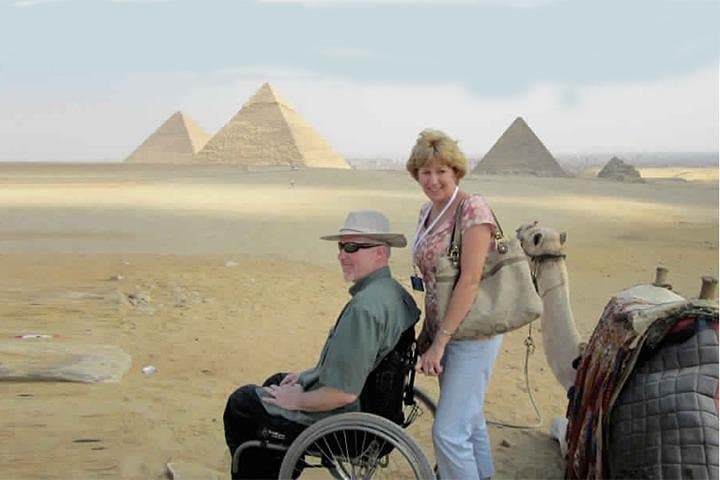
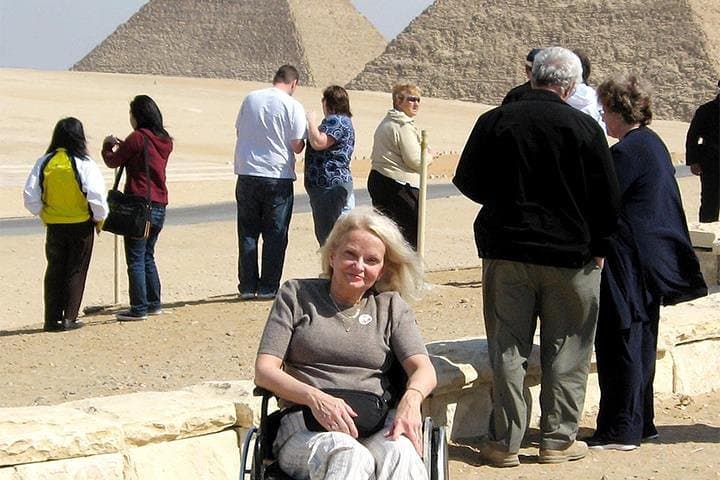
The route is designed to minimize barriers while maximizing access to Egypt’s big moments—pyramids at Giza, Karnak and Luxor temples, Nubian villages, and the awe of Abu Simbel—so you can focus on the view and the story carved into the stone.
easy.
10 days.
Suitable for travelers of all fitness levels; some walking and standing at sites required but routes are designed for wheelchair access
Major sites and transfers are designed for wheelchair access with adapted vehicles and paved routes, but some inner temple chambers may have steps or narrow passages—guides will provide alternatives where needed.
Most road transfers are done in accessible, air-conditioned vans and involve minimal walking; some short walks and standing at monuments are expected, but the pace is adjustable.
Late fall through early spring (October–April) offers the most comfortable temperatures; if visiting in summer, plan outdoor visits for mornings and late afternoons.
Domestic flights (Cairo–Luxor–Aswan–Cairo) are included in the package; airlines and airports typically offer wheelchair assistance but confirm special assistance needs when booking.
The tour threads millennia: Pharaonic temples, Roman Alexandria monuments, and the modern engineering saga of the Aswan High Dam that led to Abu Simbel’s relocation in the 1960s.
High visitor numbers stress fragile monuments and local water supplies; stick to marked paths, avoid touching reliefs and support local guides and community-run initiatives to keep sites sustainable.
This Is Egypt operates guided outdoor trips and adventures with an emphasis on safety, stewardship, and memorable experiences.

The trip opens with the salt air of the Mediterranean and a slow coastal drive into Alexandria, then moves inland, following the Nile’s low ribbon as it dares you south toward Abu Simbel’s colossal stone faces.
The trip opens with the salt air of the Mediterranean and a slow coastal drive into Alexandria, then moves inland, following the Nile’s low ribbon as it dares you south toward Abu Simbel’s colossal stone faces.
You move between eras: Greco-Roman columns at Pompey’s Pillar, medieval stone at Qaitbay Citadel, and pharaonic temples carved for gods and kings. Geologically the journey traces Egypt’s limestone and sandstone beds, worn smooth by millennia of wind and river, while the Nile Valley’s flat floodplain makes road travel straightforward for adapted vehicles.
Cultural notes arrive quietly: Cairo’s bazaar rhythms at Khan el-Khalili, Nubian colors and music around Aswan, and the engineering story of the Aswan High Dam and the mid-20th-century rescue of Abu Simbel—an international conservation effort that raised and moved the temples to save them from Lake Nasser’s waters.
Practical guidance is front and center. This private, wheelchair-accessible, multi-day tour uses adapted vans and accessible walkways at major sites; expect multiple short flights (Cairo–Luxor–Aswan–Cairo) and several 2–4 hour road transfers. Temperatures can spike; plan for shade, frequent water, and midday rest. Carry digital and paper copies of travel documents, confirm pickup details and any personal assistance needs in advance, and budget local cash for site fees, tips, and small purchases.
The route is designed to minimize barriers while maximizing access to Egypt’s big moments—pyramids at Giza, Karnak and Luxor temples, Nubian villages, and the awe of Abu Simbel—so you can focus on the view and the story carved into the stone.