THE ADVENTURE COLLECTIVE® · Independent discovery and booking for outdoor travel

An eight-hour, wheelchair-accessible circuit from Cape Town that pairs cliff-top drama at Cape Point with close encounters at Boulders penguin colony and a golf-cart tour of Kirstenbosch. Practical, paced and rich with wildlife and coastal geology.
An eight-hour, wheelchair-accessible circuit from Cape Town that pairs cliff-top drama at Cape Point with close encounters at Boulders penguin colony and a golf-cart tour of Kirstenbosch. Practical, paced and rich with wildlife and coastal geology.
The minivan eases away from Cape Town’s harbor and the city peels off behind you — white terraces, the flat crown of Table Mountain shrinking into the rearview. The road follows the ragged spine of the peninsula, and by the time the ocean reopens at Chapman’s Peak the air tastes of kelp and cold spray. On this accessible full-day circuit — designed for travelers with limited mobility — the itinerary moves at a considered pace: seaside villages, cliff-top lighthouses and a penguin colony where birds wobble and blink like small, tuxedoed locals.
Verified experiences and guided adventures in the surrounding area.
Operated by Ordain Hove · Cape Town, Western Cape
The minivan eases away from Cape Town’s harbor and the city peels off behind you — white terraces, the flat crown of Table Mountain shrinking into the rearview. The road follows the ragged spine of the peninsula, and by the time the ocean reopens at Chapman’s Peak the air tastes of kelp and cold spray. On this accessible full-day circuit — designed for travelers with limited mobility — the itinerary moves at a considered pace: seaside villages, cliff-top lighthouses and a penguin colony where birds wobble and blink like small, tuxedoed locals.
Geology here reads like an open book. The Cape Peninsula is a collision of ancient granite and younger sedimentary table-rock folded and scoured by wind and wave; cliffs rise 200–250 meters above water at some viewpoints, and the shoreline alternates between sheltered coves and ribbed, wave-bashed headlands. Culturally, the route passes Simon’s Town — a navy town with colonial-era cottages and the story of Just Nuisance, the Great Dane enlisted in naval lore — and finishes in Kirstenbosch, a botanical garden that champions the region’s fynbos, the fire-adapted shrubland that makes this place globally unique.
Wildlife is a running theme: chacma baboons inspect parking lots with the same curiosity drivers use to check maps; ostrich farms and roaming bontebok offer farmyard encounters; seals pile onto offshore rocks and a return boat to Seal Island provides raft-level views when the sea is calm. The Boulders penguin colony in Simon’s Town is the slow-motion showstopper — boardwalks put you close without disturbing nesting birds.
Practicalities matter on a day like this. The full loop takes about eight hours, with roughly 1–1.5 hours of driving each way from central Cape Town (50–70 km depending on pickup point). Entrances, a guided golf-cart ride at Kirstenbosch and a return boat trip to Seal Island are included; bottled water is provided. Most surfaces at major stops are wheelchair accessible, but some cliff-top lookouts involve short ramps or boardwalk steps — ask ahead about vehicle drop-off points and alternative viewpoints if stairs are a concern.
Timing is everything: mornings are best for penguin viewing and calmer seas for the Seal Island ride; late afternoon brings long light on the lighthouse and fewer coaches at the Cape of Good Hope. Bring layered clothing for coastal wind, good sun protection, and a small day bag for essentials. Above all, respect wildlife: stay on paths, keep a measured distance from baboons and penguins, and let the Cape’s stark, shingled cliffs and fynbos do the talking.
moderate.
8 hours.
Accessible for travelers with limited mobility but expect some short transfers and standing; guests should have at least moderate fitness to navigate short ramps and boardwalks.
Yes — transportation, many viewing areas and Kirstenbosch gardens include wheelchair-accessible paths; notify the supplier of specific needs when booking.
Expect roughly 1–1.5 hours each way, depending on traffic and your hotel pickup location (approximately 50–70 km each way by the scenic coastal route).
Yes — the tour includes entry fees to listed attractions, a return boat trip to Seal Island (weather permitting), bottled water and a Kirstenbosch golf-cart tour.
Wildlife sightings are common but never guaranteed; timing, season and animal movement affect encounters.
Yes — infants must sit on laps per supplier policy; strollers are accepted and many areas are stroller-friendly.
The tour may be canceled or rescheduled in severe weather for safety; check cancellation terms (full refund if canceled 24+ hours ahead).
The Cape of Good Hope has been a maritime waypoint since Bartolomeu Dias rounded it in 1488; nearby Groote Schuur Hospital is famed for the world’s first human heart transplant in 1967.
The peninsula protects globally important fynbos and endangered species like the African penguin; stick to boardwalks and follow guide instructions to limit disturbance.
Ordain Hove operates guided outdoor trips and adventures with an emphasis on safety, stewardship, and memorable experiences.
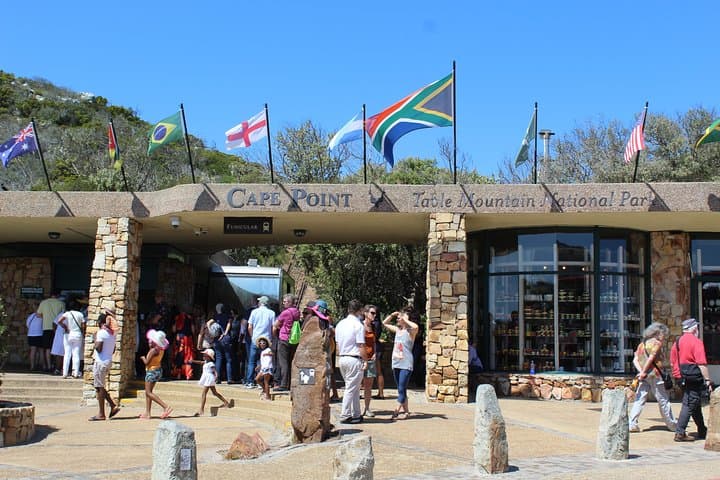
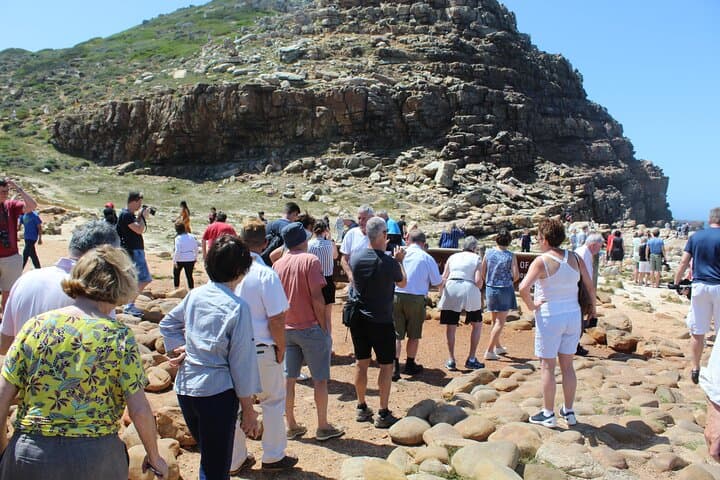
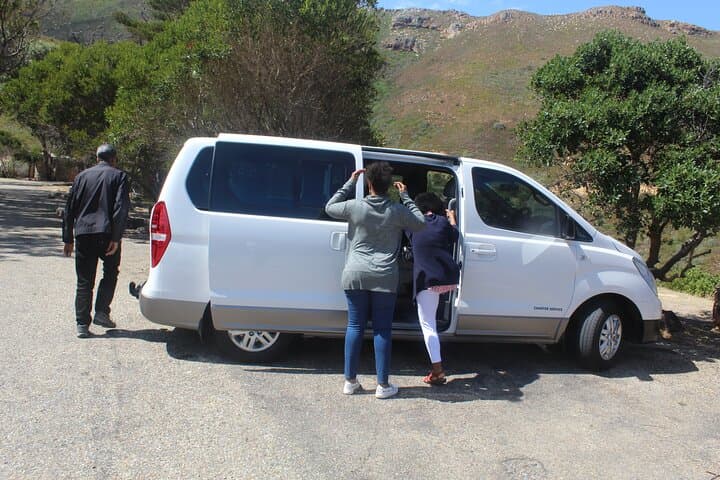
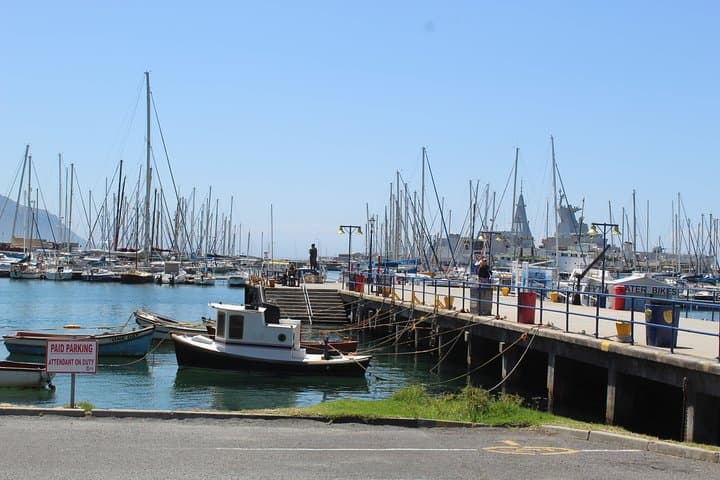
The minivan eases away from Cape Town’s harbor and the city peels off behind you — white terraces, the flat crown of Table Mountain shrinking into the rearview. The road follows the ragged spine of the peninsula, and by the time the ocean reopens at Chapman’s Peak the air tastes of kelp and cold spray. On this accessible full-day circuit — designed for travelers with limited mobility — the itinerary moves at a considered pace: seaside villages, cliff-top lighthouses and a penguin colony where birds wobble and blink like small, tuxedoed locals.
The minivan eases away from Cape Town’s harbor and the city peels off behind you — white terraces, the flat crown of Table Mountain shrinking into the rearview. The road follows the ragged spine of the peninsula, and by the time the ocean reopens at Chapman’s Peak the air tastes of kelp and cold spray. On this accessible full-day circuit — designed for travelers with limited mobility — the itinerary moves at a considered pace: seaside villages, cliff-top lighthouses and a penguin colony where birds wobble and blink like small, tuxedoed locals.
Geology here reads like an open book. The Cape Peninsula is a collision of ancient granite and younger sedimentary table-rock folded and scoured by wind and wave; cliffs rise 200–250 meters above water at some viewpoints, and the shoreline alternates between sheltered coves and ribbed, wave-bashed headlands. Culturally, the route passes Simon’s Town — a navy town with colonial-era cottages and the story of Just Nuisance, the Great Dane enlisted in naval lore — and finishes in Kirstenbosch, a botanical garden that champions the region’s fynbos, the fire-adapted shrubland that makes this place globally unique.
Wildlife is a running theme: chacma baboons inspect parking lots with the same curiosity drivers use to check maps; ostrich farms and roaming bontebok offer farmyard encounters; seals pile onto offshore rocks and a return boat to Seal Island provides raft-level views when the sea is calm. The Boulders penguin colony in Simon’s Town is the slow-motion showstopper — boardwalks put you close without disturbing nesting birds.
Practicalities matter on a day like this. The full loop takes about eight hours, with roughly 1–1.5 hours of driving each way from central Cape Town (50–70 km depending on pickup point). Entrances, a guided golf-cart ride at Kirstenbosch and a return boat trip to Seal Island are included; bottled water is provided. Most surfaces at major stops are wheelchair accessible, but some cliff-top lookouts involve short ramps or boardwalk steps — ask ahead about vehicle drop-off points and alternative viewpoints if stairs are a concern.
Timing is everything: mornings are best for penguin viewing and calmer seas for the Seal Island ride; late afternoon brings long light on the lighthouse and fewer coaches at the Cape of Good Hope. Bring layered clothing for coastal wind, good sun protection, and a small day bag for essentials. Above all, respect wildlife: stay on paths, keep a measured distance from baboons and penguins, and let the Cape’s stark, shingled cliffs and fynbos do the talking.