THE ADVENTURE COLLECTIVE® · Independent discovery and booking for outdoor travel

Ride a private 4x4 to a high-altitude campsite on Acatenango, watch Fuego’s eruptions from a safe vantage, and hike to the summit at sunrise. This two-day trip blends dramatic volcanic viewing with managed camping and local guiding.
Ride a private 4x4 to a high-altitude campsite on Acatenango, watch Fuego’s eruptions from a safe vantage, and hike to the summit at sunrise. This two-day trip blends dramatic volcanic viewing with managed camping and local guiding.
The afternoon ride from Antigua winds through coffee farms and changing light until Acatenango rises into view: a volcanic flank that refuses to be ignored. You arrive at the parking lot, shoulder your pack and walk the final 45 minutes to a high campsite where Fuego stages nightly fire and ash—bright, unpredictable, and alarmingly close enough to feel the heat from a safe distance.
Verified experiences and guided adventures in the surrounding area.
Operated by CA Travelers · Antigua Guatemala, Sacatepéquez
The afternoon ride from Antigua winds through coffee farms and changing light until Acatenango rises into view: a volcanic flank that refuses to be ignored. You arrive at the parking lot, shoulder your pack and walk the final 45 minutes to a high campsite where Fuego stages nightly fire and ash—bright, unpredictable, and alarmingly close enough to feel the heat from a safe distance.
Acatenango (3,976 m / 13,045 ft) is an older stratovolcano standing beside the still-active Fuego. The pair offer a clear lesson in regional geology: layers of hardened lava and ash from repeated eruptions build steep flanks, and the frequent activity of Fuego provides dramatic volcanic viewing for those at the Acatenango camp. Culturally, the volcanoes have long been part of local Mam and Kaqchikel stories and remain visible markers from Antigua’s colonial streets.
Overnight, you sleep in shared cabins with provided sleeping bags rated to −6°C, waking well before dawn for the 1.5-hour summit push to catch sunrise above the rim. The guides run a compact operation—4x4 approach, a supply center handoff, hot chocolate at camp, and a breakfast after descent.
Practical guidance: pack warm, windproof layers, a headlamp, and sturdy boots with good traction; expect thin air above 3,000 m and plan for slower, deliberate pacing. Hydrate and limit alcohol the night before; eat a hot breakfast pre-summit. Weather can switch fast—bring a waterproof shell and be ready to follow guide directions for safety near volcanic ash and rock.
challenging.
2 days.
Good cardiovascular fitness and comfort hiking at altitude; able to sustain steady uphill walking for 1–2 hours at a time.
The summit takes about 1–1.5 hours from camp; it’s steep and can be slow at altitude but requires no technical climbing—good fitness and steady pacing are key.
Shared cabins for 2 or 4 people with mattresses, pillows, extra blankets and a sleeping bag rated to −6°C are provided; cabins may be shared among your party.
Yes—Fuego frequently emits ash and incandescent material visible from the Acatenango campsite; eruptions vary nightly and guides position camp at safe vantage points.
Yes—symptoms can occur above 2,500–3,000 m; hydrate, ascend slowly, and tell guides if you feel unwell; they can adjust pace or descend if needed.
Acatenango’s geological activity and proximity to colonial Antigua made it a notable landmark during Spanish settlement; local Maya communities historically used its slopes for ceremonial and agricultural purposes.
Trail erosion and campsite impact are managed by limiting group sizes and using established campsites; pack-out waste practices and guide-led briefings help protect fragile high-altitude soils.
CA Travelers operates guided outdoor trips and adventures with an emphasis on safety, stewardship, and memorable experiences.
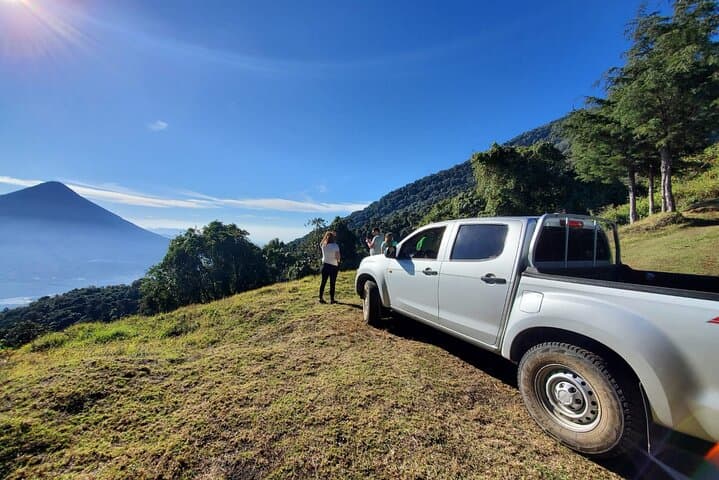
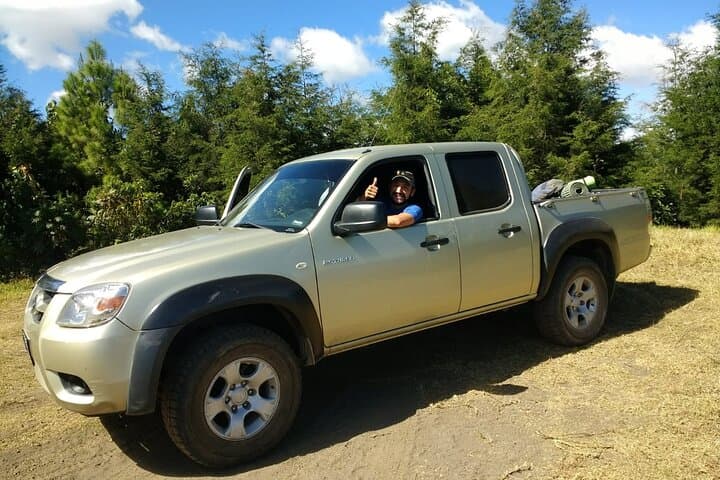


The afternoon ride from Antigua winds through coffee farms and changing light until Acatenango rises into view: a volcanic flank that refuses to be ignored. You arrive at the parking lot, shoulder your pack and walk the final 45 minutes to a high campsite where Fuego stages nightly fire and ash—bright, unpredictable, and alarmingly close enough to feel the heat from a safe distance.
The afternoon ride from Antigua winds through coffee farms and changing light until Acatenango rises into view: a volcanic flank that refuses to be ignored. You arrive at the parking lot, shoulder your pack and walk the final 45 minutes to a high campsite where Fuego stages nightly fire and ash—bright, unpredictable, and alarmingly close enough to feel the heat from a safe distance.
Acatenango (3,976 m / 13,045 ft) is an older stratovolcano standing beside the still-active Fuego. The pair offer a clear lesson in regional geology: layers of hardened lava and ash from repeated eruptions build steep flanks, and the frequent activity of Fuego provides dramatic volcanic viewing for those at the Acatenango camp. Culturally, the volcanoes have long been part of local Mam and Kaqchikel stories and remain visible markers from Antigua’s colonial streets.
Overnight, you sleep in shared cabins with provided sleeping bags rated to −6°C, waking well before dawn for the 1.5-hour summit push to catch sunrise above the rim. The guides run a compact operation—4x4 approach, a supply center handoff, hot chocolate at camp, and a breakfast after descent.
Practical guidance: pack warm, windproof layers, a headlamp, and sturdy boots with good traction; expect thin air above 3,000 m and plan for slower, deliberate pacing. Hydrate and limit alcohol the night before; eat a hot breakfast pre-summit. Weather can switch fast—bring a waterproof shell and be ready to follow guide directions for safety near volcanic ash and rock.