THE ADVENTURE COLLECTIVE® · Independent discovery and booking for outdoor travel

Ride a 4x4 into the cloud forest, sleep in a mountain cabin at 3,500 m, then decide whether to climb the final ridge to Acatenango’s summit at sunrise. This overnight trip pairs comfort with high-altitude exposure and close views of the active Fuego vent.
Ride a 4x4 into the cloud forest, sleep in a mountain cabin at 3,500 m, then decide whether to climb the final ridge to Acatenango’s summit at sunrise. This overnight trip pairs comfort with high-altitude exposure and close views of the active Fuego vent.
The diesel cough of a 4x4 fades into a low, steady wind as the road pushes above Antigua’s red-tile roofs and into cloud forest. Trees lean close enough to brush the roof; ferns and moss cling to volcanic rock. In under an hour the vehicle dumps you at a private estate gate and the world narrows to a trail and a single, towering shape: Acatenango.
Verified experiences and guided adventures in the surrounding area.
Operated by Experiencegt · Antigua Guatemala, Sacatepéquez
The diesel cough of a 4x4 fades into a low, steady wind as the road pushes above Antigua’s red-tile roofs and into cloud forest. Trees lean close enough to brush the roof; ferns and moss cling to volcanic rock. In under an hour the vehicle dumps you at a private estate gate and the world narrows to a trail and a single, towering shape: Acatenango.
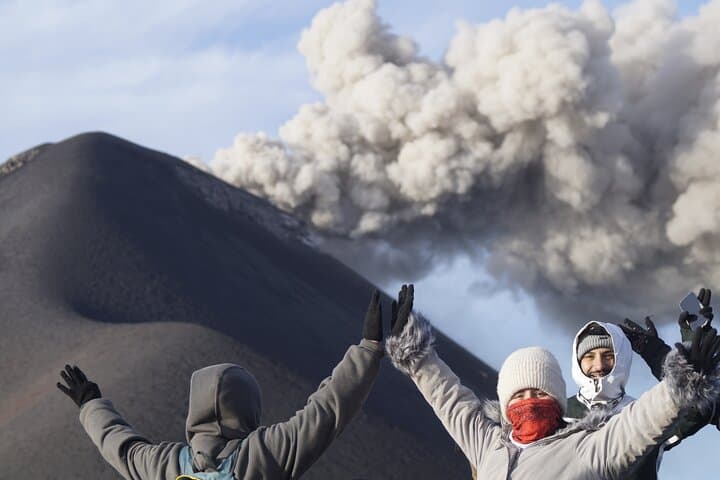
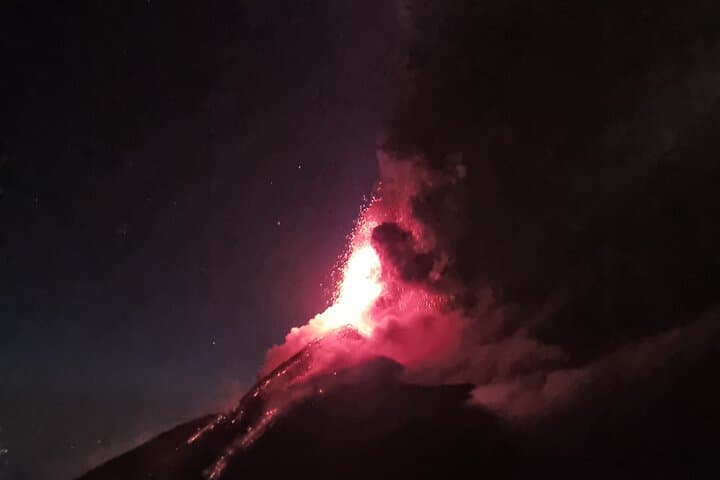
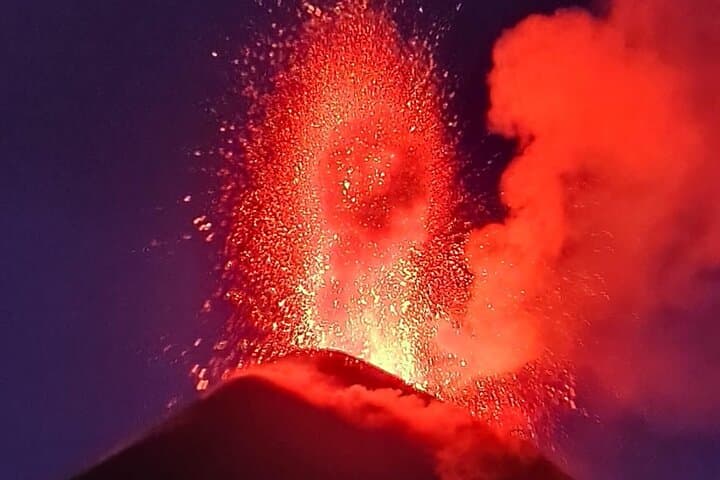
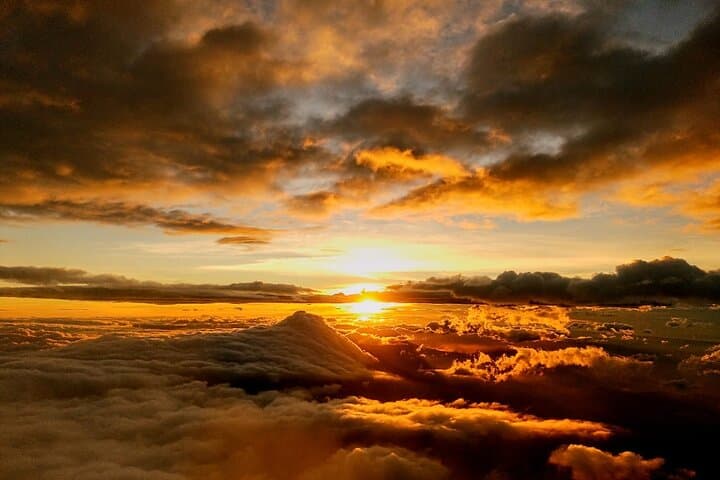
By evening the camp at 3,500 meters hums with practical warmth—wooden cabins, sleeping bags, and the smell of stewed beans and coffee. At night the nearby cone of Fuego punctuates the dark with glowing ruptures; ash occasionally crosses the moonlit sky and you feel, more than see, the mountain breathe. At 4 a.m. the headlamps trace a route up a scoured ridge; the summit, at 3,967 meters, delivers a sunrise that lays Agua, Pacaya and the steaming throat of Fuego across the horizon while Lake Atitlán sits like a dark mirror below.
Geologically Acatenango is the older half of a twin volcanic complex with Fuego, its slopes built by repeated eruptions over hundreds of thousands of years. The area has long been part of Maya and colonial histories—indigenous communities farm the rich volcanic soils and Antigua’s colonial past is framed constantly by these peaks, which survivors once read as weather and fate.
This tour pairs practical transport with high-country exposure: a 4x4 cuts the walking distance by roughly 80%, putting you at base camp without an all-day approach. The standard itinerary includes dinner, a sheltered wooden cabin with mattress and sleeping bag, and an optional 5-hour round-trip summit hike that approaches the crater rim (an extra local fee applies). Guides are experienced and acclimatization is built into the schedule, but altitude and volcanic activity add real risk—you’ll want to be prepared.
Practical guidance: plan to arrive in Antigua a day early to adjust to ~1,500 meters, carry cash for the add-on summit fee, and bring layers—temperatures swing from warm during the jeep ride to near-freezing at camp. Hydrate heavily before and during the trip; consider short, steady training hikes in the weeks prior. Footwear should be solid hiking boots with good grip—the upper slopes are loose volcanic scree. Leave No Trace rules apply: use provided lockers for gear if needed and pack out any non-biodegradable waste.
For travelers, the reward is unmistakable: a close encounter with Central America’s volcanic drama, the clean, thin air of high altitude, and a campfire dinner with a view of one of the region’s most active volcanoes. Take the 4x4 if you want the camp experience without a full-day approach; opt to hike the final ridge if you want the crater whisper under your feet.
challenging.
2 days (approx. 48 hours).
Fit hikers with good cardiovascular fitness and comfort at high altitude; practice hikes and cardio training recommended.
The summit is a demanding 5-hour round trip from base camp with steep, loose sections; it requires good fitness and sure footing.
No—it's an optional local fee for the summit ascent; the base camp overnight is included in the main tour price.
Wooden cabins are provided with cots, mattress, sleeping bag, pillow and basic cutlery; conditions are rustic but sheltered.
This tour is not recommended for pregnant travelers; children are subject to operator age and fitness policies—check before booking.
Fuego is frequently active and can emit ash and small explosions; guides monitor conditions and will cancel or alter plans if activity is unsafe.
Meet half a block from the Union tank in front of Santa Clara Bakery; the operator provides private transportation from that point.
Acatenango and nearby Fuego have shaped local Maya and colonial life for centuries—fertile volcanic soils supported traditional agriculture around Antigua, once the Spanish capital of Central America.
Visitors should stay on marked trails, pack out waste and follow guide instructions; the volcanic landscape is fragile and subject to safety closures due to eruptions.
Experiencegt operates guided outdoor trips and adventures with an emphasis on safety, stewardship, and memorable experiences.
The diesel cough of a 4x4 fades into a low, steady wind as the road pushes above Antigua’s red-tile roofs and into cloud forest. Trees lean close enough to brush the roof; ferns and moss cling to volcanic rock. In under an hour the vehicle dumps you at a private estate gate and the world narrows to a trail and a single, towering shape: Acatenango.
The diesel cough of a 4x4 fades into a low, steady wind as the road pushes above Antigua’s red-tile roofs and into cloud forest. Trees lean close enough to brush the roof; ferns and moss cling to volcanic rock. In under an hour the vehicle dumps you at a private estate gate and the world narrows to a trail and a single, towering shape: Acatenango.
By evening the camp at 3,500 meters hums with practical warmth—wooden cabins, sleeping bags, and the smell of stewed beans and coffee. At night the nearby cone of Fuego punctuates the dark with glowing ruptures; ash occasionally crosses the moonlit sky and you feel, more than see, the mountain breathe. At 4 a.m. the headlamps trace a route up a scoured ridge; the summit, at 3,967 meters, delivers a sunrise that lays Agua, Pacaya and the steaming throat of Fuego across the horizon while Lake Atitlán sits like a dark mirror below.
Geologically Acatenango is the older half of a twin volcanic complex with Fuego, its slopes built by repeated eruptions over hundreds of thousands of years. The area has long been part of Maya and colonial histories—indigenous communities farm the rich volcanic soils and Antigua’s colonial past is framed constantly by these peaks, which survivors once read as weather and fate.
This tour pairs practical transport with high-country exposure: a 4x4 cuts the walking distance by roughly 80%, putting you at base camp without an all-day approach. The standard itinerary includes dinner, a sheltered wooden cabin with mattress and sleeping bag, and an optional 5-hour round-trip summit hike that approaches the crater rim (an extra local fee applies). Guides are experienced and acclimatization is built into the schedule, but altitude and volcanic activity add real risk—you’ll want to be prepared.
Practical guidance: plan to arrive in Antigua a day early to adjust to ~1,500 meters, carry cash for the add-on summit fee, and bring layers—temperatures swing from warm during the jeep ride to near-freezing at camp. Hydrate heavily before and during the trip; consider short, steady training hikes in the weeks prior. Footwear should be solid hiking boots with good grip—the upper slopes are loose volcanic scree. Leave No Trace rules apply: use provided lockers for gear if needed and pack out any non-biodegradable waste.
For travelers, the reward is unmistakable: a close encounter with Central America’s volcanic drama, the clean, thin air of high altitude, and a campfire dinner with a view of one of the region’s most active volcanoes. Take the 4x4 if you want the camp experience without a full-day approach; opt to hike the final ridge if you want the crater whisper under your feet.