THE ADVENTURE COLLECTIVE® · Independent discovery and booking for outdoor travel

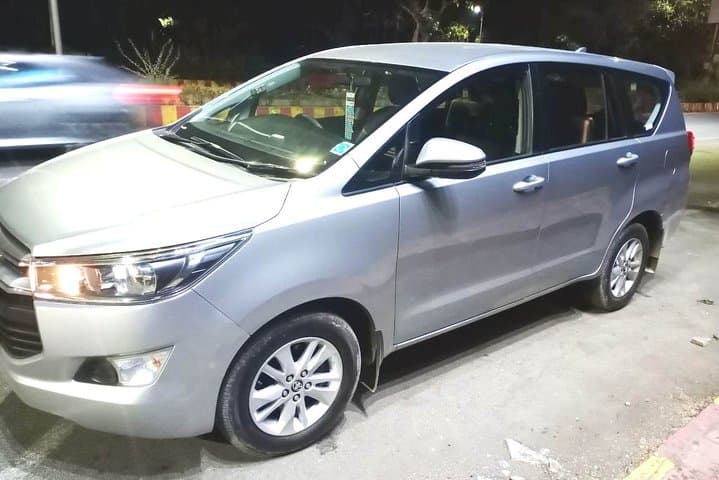
A comfortable, air-conditioned private transfer runs between Haridwar and Delhi in about 5–6 hours. Expect a straightforward highway drive, local roadside culture, and useful stops en route.
A comfortable, air-conditioned private transfer runs between Haridwar and Delhi in about 5–6 hours. Expect a straightforward highway drive, local roadside culture, and useful stops en route.
You ease away from Haridwar's riverfront before first light, the Ganges pulling you along as fields and small towns slide past the tinted glass. Traffic thins after the outskirts, the road stretching toward the Yamuna plains and the sprawl of Delhi — five to six hours of highway that move at the pace of the day.
Verified experiences and guided adventures in the surrounding area.
Operated by TripBea · Haridwar, Uttarakhand
You ease away from Haridwar's riverfront before first light, the Ganges pulling you along as fields and small towns slide past the tinted glass. Traffic thins after the outskirts, the road stretching toward the Yamuna plains and the sprawl of Delhi — five to six hours of highway that move at the pace of the day.
This corridor links an ancient pilgrimage city to the modern capital. Haridwar's ghats and temples date back millennia; the road itself follows routes used since colonial times to connect the Himalayan foothills with the Indo-Gangetic plain. Geologically the ride drops from the Siwalik foothills onto alluvial plains, where the landscape opens into wheat and sugarcane fields and low scrub.
Culture arrives in micro-doses along the way: tea stalls whose owners barter stories of festivals, roadside mandirs, and small-town markets that speak to regional rhythms. If you pay attention, Rajaji’s forested edges and occasional river bends offer wildlife glimpses — birds and wary ungulates that skirt the highway at dawn.
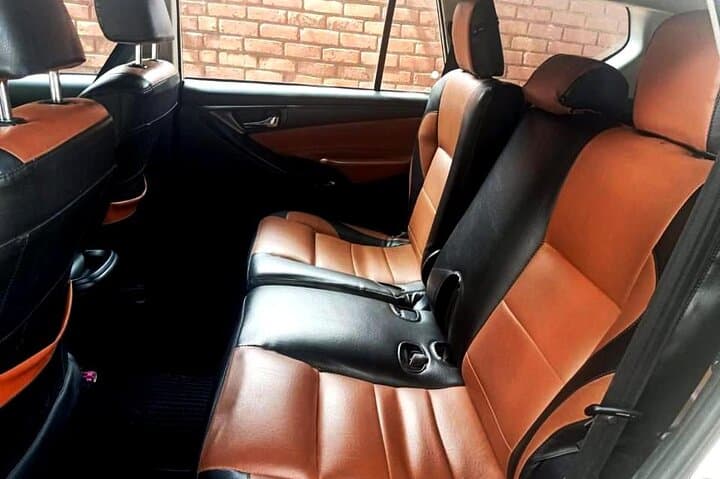
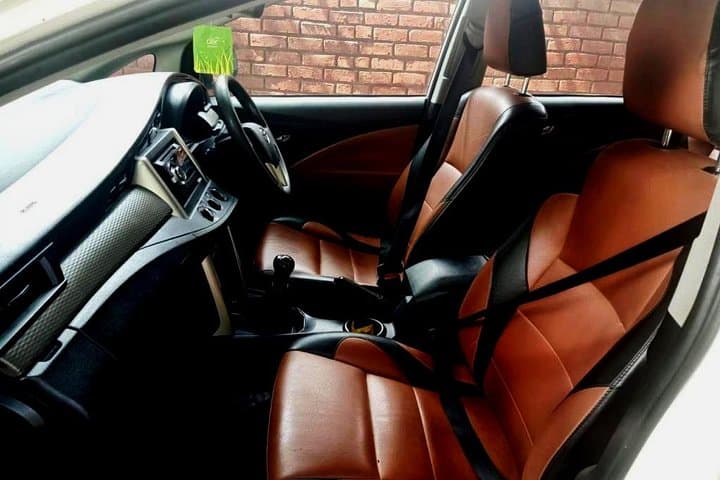
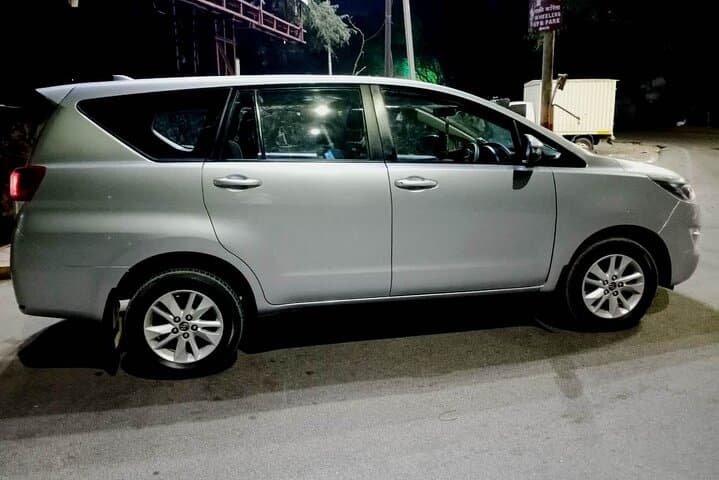
Practical guidance: plan for 5–6 hours under normal conditions; allow an extra hour in heavy traffic or during festivals. Bring valid ID for checkpoints, store valuables on your person, and request regular rest stops for stretching and toilets. The vehicle is air-conditioned and sanitized; confirm pickup location and luggage allowance when booking. Travel midday to avoid pre-dawn fog in winter and late-afternoon traffic into Delhi. With a calm driver and a comfortable car, this transfer is the simplest, most direct way to move between pilgrimage life on the Ganges and the urban pulse of Delhi.
easy.
5–6 hours.
Suitable for all fitness levels; mostly sedentary with short breaks recommended
Typical travel time is 5–6 hours, depending on traffic, road conditions and the exact pickup/drop-off locations.
Yes—most private drivers will make reasonable rest or restroom stops; confirm the number and duration with the operator ahead of departure.
Luggage policies vary by vehicle size; confirm the number of suitcases and any oversized items with the provider when you book.
Vehicles are usually cleaned between trips and drivers may follow hygiene protocols; check the operator’s current health and safety measures when booking.
Haridwar has been a pilgrimage center on the Ganges for centuries; the road to Delhi grew in importance during colonial administration as trade and movement increased between plains and hills.
The Ganges corridor faces pressure from tourism and development—minimizing plastics, using refillable water bottles and following local signage helps reduce impact; nearby Rajaji National Park has ongoing conservation programs to protect elephants and habitat.
TripBea operates guided outdoor trips and adventures with an emphasis on safety, stewardship, and memorable experiences.
You ease away from Haridwar's riverfront before first light, the Ganges pulling you along as fields and small towns slide past the tinted glass. Traffic thins after the outskirts, the road stretching toward the Yamuna plains and the sprawl of Delhi — five to six hours of highway that move at the pace of the day.
You ease away from Haridwar's riverfront before first light, the Ganges pulling you along as fields and small towns slide past the tinted glass. Traffic thins after the outskirts, the road stretching toward the Yamuna plains and the sprawl of Delhi — five to six hours of highway that move at the pace of the day.
This corridor links an ancient pilgrimage city to the modern capital. Haridwar's ghats and temples date back millennia; the road itself follows routes used since colonial times to connect the Himalayan foothills with the Indo-Gangetic plain. Geologically the ride drops from the Siwalik foothills onto alluvial plains, where the landscape opens into wheat and sugarcane fields and low scrub.
Culture arrives in micro-doses along the way: tea stalls whose owners barter stories of festivals, roadside mandirs, and small-town markets that speak to regional rhythms. If you pay attention, Rajaji’s forested edges and occasional river bends offer wildlife glimpses — birds and wary ungulates that skirt the highway at dawn.
Practical guidance: plan for 5–6 hours under normal conditions; allow an extra hour in heavy traffic or during festivals. Bring valid ID for checkpoints, store valuables on your person, and request regular rest stops for stretching and toilets. The vehicle is air-conditioned and sanitized; confirm pickup location and luggage allowance when booking. Travel midday to avoid pre-dawn fog in winter and late-afternoon traffic into Delhi. With a calm driver and a comfortable car, this transfer is the simplest, most direct way to move between pilgrimage life on the Ganges and the urban pulse of Delhi.