THE ADVENTURE COLLECTIVE® · Independent discovery and booking for outdoor travel

Discover two of Upper Egypt’s most profound temple complexes on a private full-day trip from Luxor. Explore Abydos’ Osiris sanctuaries and Dendera’s Temple of Hathor with an Egyptologist guide — a focused, low-impact way to see history up close.
Discover two of Upper Egypt’s most profound temple complexes on a private full-day trip from Luxor. Explore Abydos’ Osiris sanctuaries and Dendera’s Temple of Hathor with an Egyptologist guide — a focused, low-impact way to see history up close.
You step into a dry wind off the Nile as the minivan leaves Luxor’s river traffic behind, the West Bank's palms slipping past and the desert opening like a folded map. By mid-morning the stone of Abydos rises out of ochre plain — rows of reliefs and a long carved king list holding court beneath the relentless sky.
Verified experiences and guided adventures in the surrounding area.
Operated by Book Egypt Trips · Luxor, Luxor Governorate
You step into a dry wind off the Nile as the minivan leaves Luxor’s river traffic behind, the West Bank's palms slipping past and the desert opening like a folded map. By mid-morning the stone of Abydos rises out of ochre plain — rows of reliefs and a long carved king list holding court beneath the relentless sky.
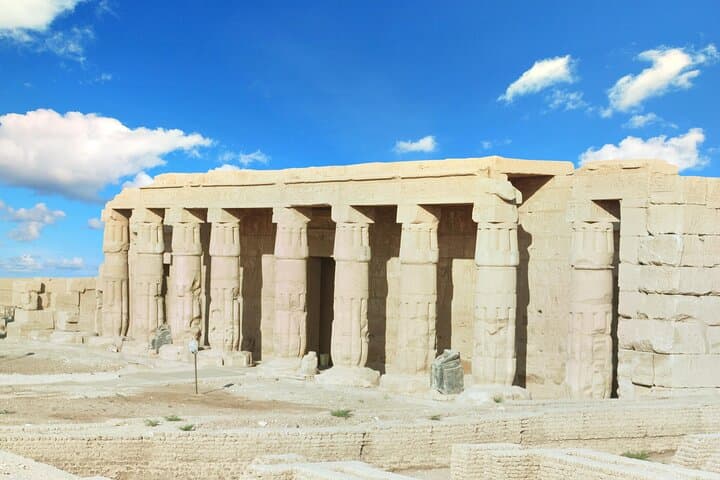
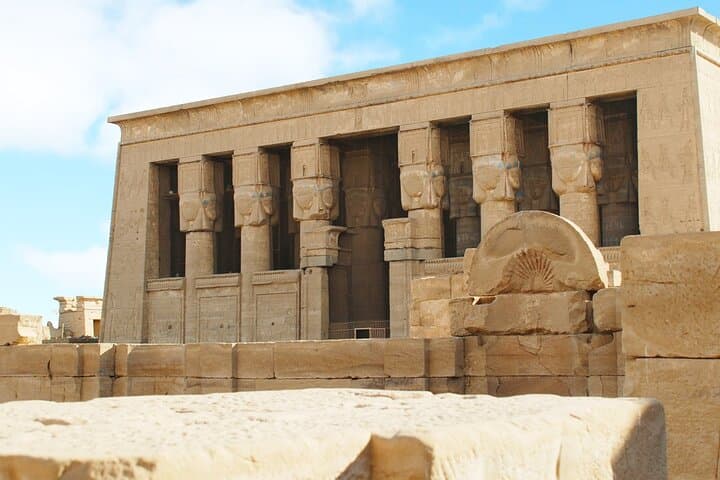
Abydos was the cult center of Osiris, ancient Egypt’s god of the afterlife; its hieroglyphs record kings and rituals that shaped pharaonic identity. Later, Dendera offers a contrasting mood: smoother sandstone, painted reliefs, and the Temple of Hathor with its famous zodiac and enigmatic “Dendera Light” imagery. Geologically these sites sit on alluvial deposits and Eocene limestone, weathered by centuries of wind and salt; structurally, columns and lintels show classical New Kingdom and Greco-Roman influences.
Culture here moves at human scale — local farmers, temple stewards, and licensed guides bridge living communities with millennia of history. Expect close-up viewing of reliefs, stepped access to chapels, and open courtyards where light defines the carvings.
Practically, the day is long (about 10–11 hours door-to-door). Wear sun-protective layers, sturdy walking shoes for uneven stone and steps, and carry cash for entrance if not included. Hydration and early starts help avoid mid-day heat. Your Egyptologist guide will pace stops for photos and context, making this a personalized, low-impact way to see two of Upper Egypt’s most compelling temple complexes.
easy.
10–11 hours.
Suitable for travelers in average fitness; requires standing, short walks, and climbing stone steps.
The full-day private tour is about 10–11 hours total, including transfers and time at both sites.
This tour’s description lists admission as not included; confirm with the operator whether tickets are provided or if you’ll pay on-site.
Yes; activity is rated easy with short walks and steps, but let the operator know mobility limits for tailored pacing and vehicle access.
A licensed Egyptologist guide enhances interpretation and context; independent visits are possible but you may miss archaeological insights.
Abydos served as a primary cult center for Osiris; Dendera’s temple complex reflects Ptolemaic and Roman-era temple building atop older sacred ground.
Both sites are vulnerable to wind, salt crystallization, and visitor impact; follow site rules, avoid touching reliefs, and support local guides who aid conservation through fees and stewardship.
Book Egypt Trips operates guided outdoor trips and adventures with an emphasis on safety, stewardship, and memorable experiences.
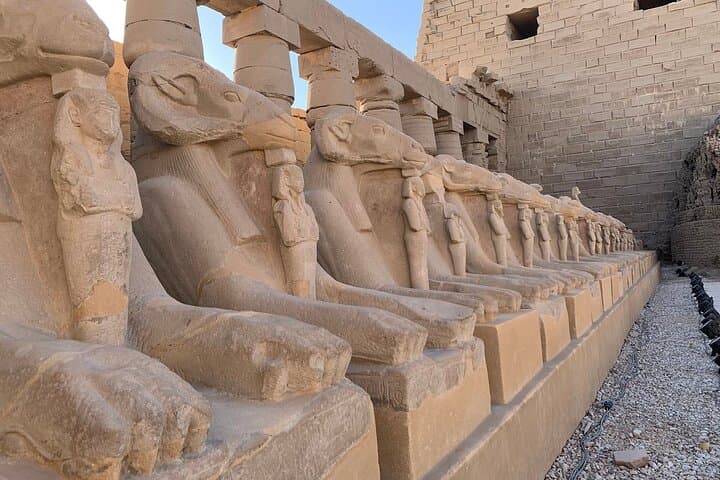
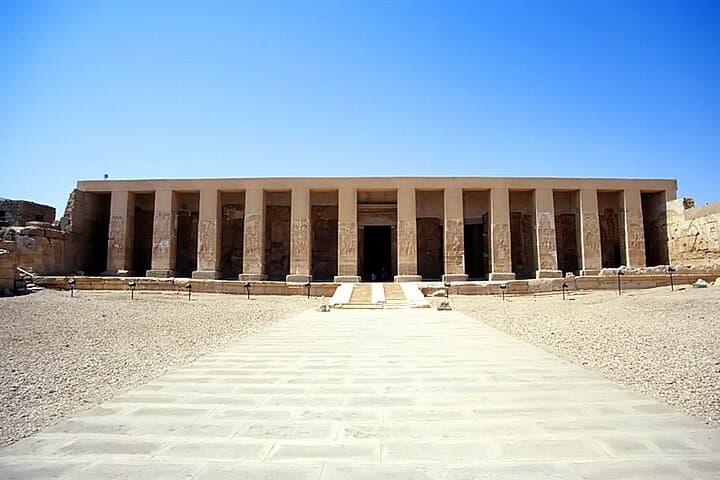
You step into a dry wind off the Nile as the minivan leaves Luxor’s river traffic behind, the West Bank's palms slipping past and the desert opening like a folded map. By mid-morning the stone of Abydos rises out of ochre plain — rows of reliefs and a long carved king list holding court beneath the relentless sky.
You step into a dry wind off the Nile as the minivan leaves Luxor’s river traffic behind, the West Bank's palms slipping past and the desert opening like a folded map. By mid-morning the stone of Abydos rises out of ochre plain — rows of reliefs and a long carved king list holding court beneath the relentless sky.
Abydos was the cult center of Osiris, ancient Egypt’s god of the afterlife; its hieroglyphs record kings and rituals that shaped pharaonic identity. Later, Dendera offers a contrasting mood: smoother sandstone, painted reliefs, and the Temple of Hathor with its famous zodiac and enigmatic “Dendera Light” imagery. Geologically these sites sit on alluvial deposits and Eocene limestone, weathered by centuries of wind and salt; structurally, columns and lintels show classical New Kingdom and Greco-Roman influences.
Culture here moves at human scale — local farmers, temple stewards, and licensed guides bridge living communities with millennia of history. Expect close-up viewing of reliefs, stepped access to chapels, and open courtyards where light defines the carvings.
Practically, the day is long (about 10–11 hours door-to-door). Wear sun-protective layers, sturdy walking shoes for uneven stone and steps, and carry cash for entrance if not included. Hydration and early starts help avoid mid-day heat. Your Egyptologist guide will pace stops for photos and context, making this a personalized, low-impact way to see two of Upper Egypt’s most compelling temple complexes.