THE ADVENTURE COLLECTIVE® · Independent discovery and booking for outdoor travel

Spend a day among the palms and waterfalls of the Akwapim Hills. This combined Aburi Botanical Gardens and Boti Falls trip pairs short, accessible hikes with cultural insight and a chance to swim beneath Ghana’s twin cascades.
Spend a day among the palms and waterfalls of the Akwapim Hills. This combined Aburi Botanical Gardens and Boti Falls trip pairs short, accessible hikes with cultural insight and a chance to swim beneath Ghana’s twin cascades.
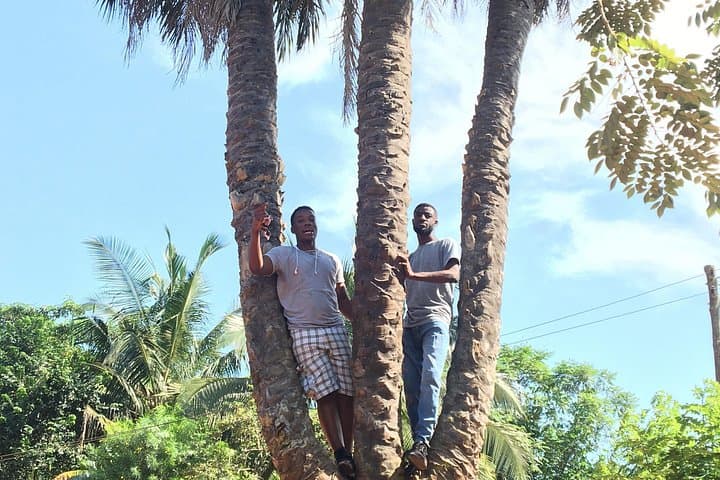
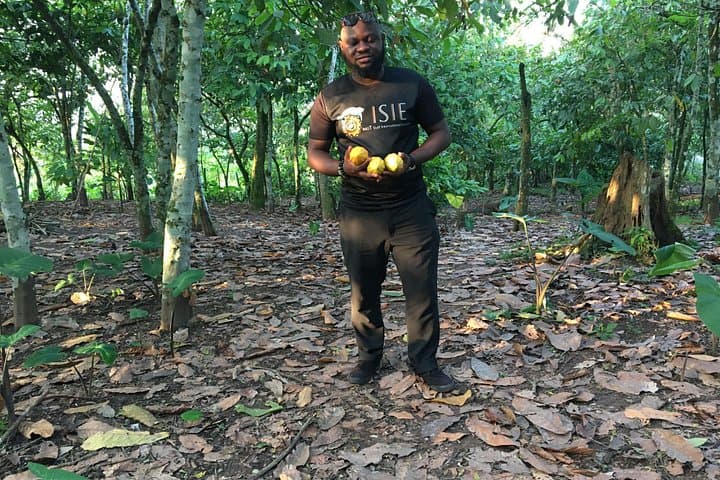
The morning light slides over the Akwapim Hills as you leave Accra behind, winding toward the cool palms of Aburi Botanical Gardens. Under a long palm walkway—274 metres of shaded pace—you'll move through stands of cocoa, rubber and medicinal plants while a guide points out species that shaped Ghana's agricultural history.
Verified experiences and guided adventures in the surrounding area.
Operated by Wild Tours Ghana · Aburi, Eastern Region
The morning light slides over the Akwapim Hills as you leave Accra behind, winding toward the cool palms of Aburi Botanical Gardens. Under a long palm walkway—274 metres of shaded pace—you'll move through stands of cocoa, rubber and medicinal plants while a guide points out species that shaped Ghana's agricultural history.
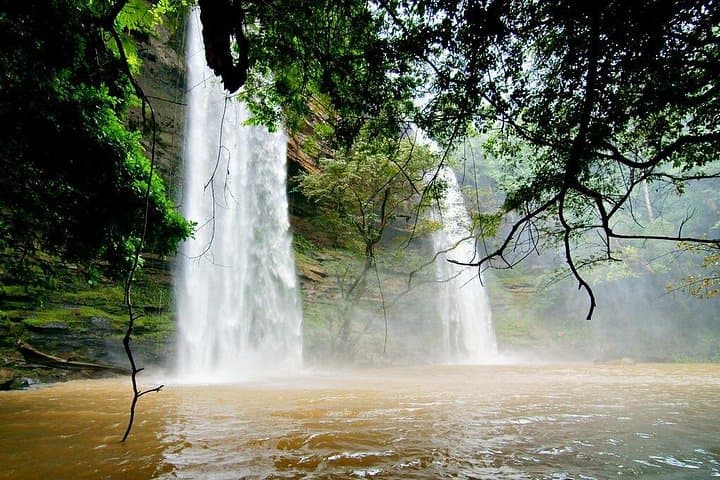
Later the road narrows and the forest thickens. At Boti Falls the sound of water grows until the twin cascades reveal themselves, plunging into carved rock bowls below. Minimal hiking is required—short steps, damp trails and a few slippery rocks—so the falls often invite a quick swim where currents permit, or a steady view from the timbered platforms above.
History and geology are close at hand: the gardens trace colonial-era plant trials that introduced cash crops to the Gold Coast, while the falls follow fractures in the Precambrian bedrock that channel seasonal flows into twin drops. Local culture threads through both sites—vendors selling fried yam and sobolo, and Akan stories tied to the forest and river.
Practical guide: allow 4–6 hours for a combined visit, bring sturdy, water‑ready footwear, swimwear, and cash for small purchases. Expect tropical heat, sudden showers in the rainy months, and intermittent mobile reception. Travel with a guide for safer access to the forest paths and to gain context on flora, folklore and conservation efforts that protect these fragile sites.
moderate.
4–6 hours.
Suitable for travelers with moderate fitness—short hikes and some stairs; not strenuous but requires steady footing.
The approach involves short, mostly unpaved trails and stairs—plan for 15–30 minutes from the main parking/viewing area depending on pace.
Swimming is common in designated pools but conditions change with the season; follow your guide’s advice and avoid swimming after heavy rains.
Yes—transport time is typically 1–1.5 hours each way, and the combined visit fits into a 4–6 hour day trip from Accra.
Parts of Aburi Botanical Gardens have paved paths, but much of the site and the falls’ viewing areas involve steps and uneven terrain; accessibility is limited.
Aburi Botanical Gardens were established in the late 19th century as a colonial-era experimental station for cocoa and rubber, influencing Ghana’s cash-crop economy.
Both sites are popular and sensitive; stick to trails, avoid single-use plastics, and follow guides’ instructions to reduce erosion and disturbance.
Wild Tours Ghana operates guided outdoor trips and adventures with an emphasis on safety, stewardship, and memorable experiences.

The morning light slides over the Akwapim Hills as you leave Accra behind, winding toward the cool palms of Aburi Botanical Gardens. Under a long palm walkway—274 metres of shaded pace—you'll move through stands of cocoa, rubber and medicinal plants while a guide points out species that shaped Ghana's agricultural history.
The morning light slides over the Akwapim Hills as you leave Accra behind, winding toward the cool palms of Aburi Botanical Gardens. Under a long palm walkway—274 metres of shaded pace—you'll move through stands of cocoa, rubber and medicinal plants while a guide points out species that shaped Ghana's agricultural history.
Later the road narrows and the forest thickens. At Boti Falls the sound of water grows until the twin cascades reveal themselves, plunging into carved rock bowls below. Minimal hiking is required—short steps, damp trails and a few slippery rocks—so the falls often invite a quick swim where currents permit, or a steady view from the timbered platforms above.
History and geology are close at hand: the gardens trace colonial-era plant trials that introduced cash crops to the Gold Coast, while the falls follow fractures in the Precambrian bedrock that channel seasonal flows into twin drops. Local culture threads through both sites—vendors selling fried yam and sobolo, and Akan stories tied to the forest and river.
Practical guide: allow 4–6 hours for a combined visit, bring sturdy, water‑ready footwear, swimwear, and cash for small purchases. Expect tropical heat, sudden showers in the rainy months, and intermittent mobile reception. Travel with a guide for safer access to the forest paths and to gain context on flora, folklore and conservation efforts that protect these fragile sites.