THE ADVENTURE COLLECTIVE® · Independent discovery and booking for outdoor travel

Spend a half day above Accra exploring the historic Aburi Botanical Gardens and nearby cocoa plots. This private, air-conditioned transfer tour mixes shady arboretum walks with local craft shopping and hands-on agricultural insights.
Spend a half day above Accra exploring the historic Aburi Botanical Gardens and nearby cocoa plots. This private, air-conditioned transfer tour mixes shady arboretum walks with local craft shopping and hands-on agricultural insights.
You arrive at a break in the coastal heat where the road climbs and the air feels cleaner—Aburi’s garden gates open onto broad lawns and tall subtropical specimens that drop shade across the path.
Verified experiences and guided adventures in the surrounding area.
Operated by Pridor Plus Tours · Aburi, Eastern Region
You arrive at a break in the coastal heat where the road climbs and the air feels cleaner—Aburi’s garden gates open onto broad lawns and tall subtropical specimens that drop shade across the path.
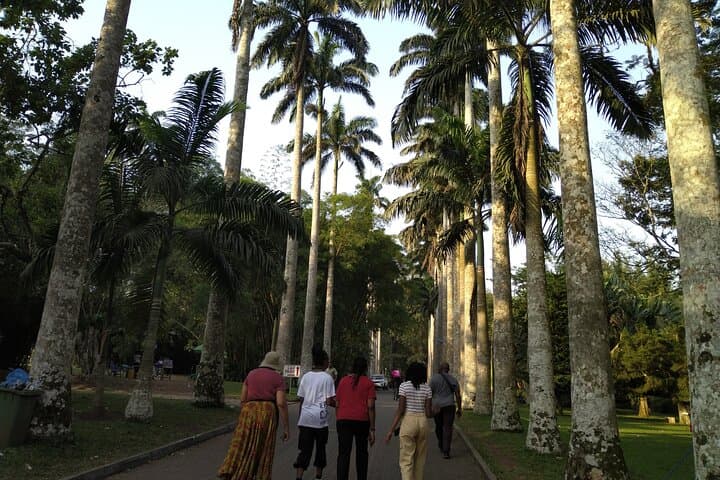
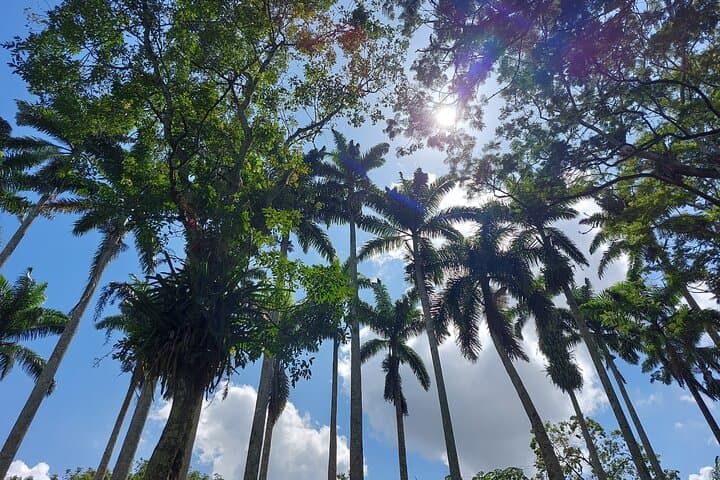
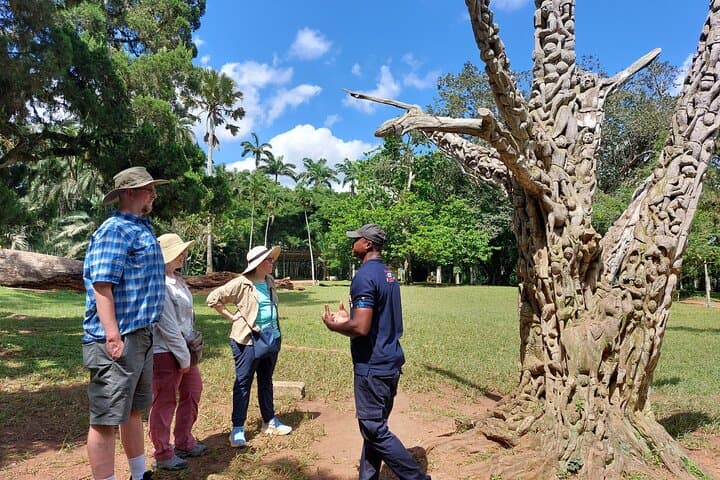
Walk the tree-lined avenues of the 65-hectare Aburi Botanical Gardens, established in 1890 during British rule. The gardens show plantings from across West Africa and the tropics; one historic specimen even marks a 1961 tree-planting by Queen Elizabeth II. The surrounding ridgeline gives easy viewpoints over the coastal plain toward Accra, and small cocoa plots in the Eastern Region speak to Ghana’s long agricultural ties to cacao.
Culturally, the nearby craft market is direct and hands-on—woodcarvers, basket weavers, and bead makers selling goods rooted in Akan aesthetic traditions. Geologically, you’re on the Accra Ridge: older Precambrian rocks give this rise above the lowland, creating cooler microclimates that let subtropical species thrive.
Practical guidance: tours are typically half to full day (4–6 hours) with private, air-conditioned transfers from Accra; expect gentle walking on paved and compacted earth paths. Bring cash for market purchases, sun protection, and a small bottle of water. If you pair the gardens with a cocoa stop, you’ll move from shaded lawns to working farm plots—wear closed-toe shoes and be ready for uneven soil.
Timing matters: mornings are cooler and quieter; rains can make grassy paths slippery. A private transfer gives flexibility to linger at the market or add a short hillwalk outside the formal garden.
easy.
4–6 hours.
Suitable for most fitness levels; requires standing and walking up to a few kilometers on gentle terrain.
Many tour packages do not include garden admission; confirm with your operator and bring local currency to pay any entry fees on site.
Expect roughly 45–75 minutes depending on traffic—private transfers give flexibility but plan for peak-hour delays leaving Accra.
Yes—paths are generally easy and the garden offers open space for kids, though cocoa farm visits may require closer supervision around tools and animals.
Small farms and market vendors often sell chocolate, beans, and local cocoa products—bring cash and check packaging if you have dietary concerns.
Aburi Botanical Gardens were established in 1890 under colonial administration and developed as a plant introduction and acclimatization site; they host historic specimen plantings including a tree planted in 1961 by Queen Elizabeth II.
The gardens maintain curated collections for education and biodiversity; visitors are encouraged to stay on paths, avoid removing plant material, and support local craft vendors to strengthen community-based conservation.
Pridor Plus Tours operates guided outdoor trips and adventures with an emphasis on safety, stewardship, and memorable experiences.
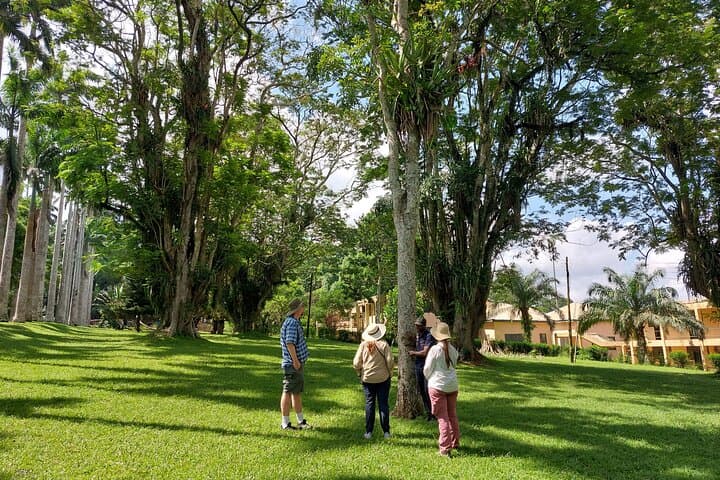
You arrive at a break in the coastal heat where the road climbs and the air feels cleaner—Aburi’s garden gates open onto broad lawns and tall subtropical specimens that drop shade across the path.
You arrive at a break in the coastal heat where the road climbs and the air feels cleaner—Aburi’s garden gates open onto broad lawns and tall subtropical specimens that drop shade across the path.
Walk the tree-lined avenues of the 65-hectare Aburi Botanical Gardens, established in 1890 during British rule. The gardens show plantings from across West Africa and the tropics; one historic specimen even marks a 1961 tree-planting by Queen Elizabeth II. The surrounding ridgeline gives easy viewpoints over the coastal plain toward Accra, and small cocoa plots in the Eastern Region speak to Ghana’s long agricultural ties to cacao.
Culturally, the nearby craft market is direct and hands-on—woodcarvers, basket weavers, and bead makers selling goods rooted in Akan aesthetic traditions. Geologically, you’re on the Accra Ridge: older Precambrian rocks give this rise above the lowland, creating cooler microclimates that let subtropical species thrive.
Practical guidance: tours are typically half to full day (4–6 hours) with private, air-conditioned transfers from Accra; expect gentle walking on paved and compacted earth paths. Bring cash for market purchases, sun protection, and a small bottle of water. If you pair the gardens with a cocoa stop, you’ll move from shaded lawns to working farm plots—wear closed-toe shoes and be ready for uneven soil.
Timing matters: mornings are cooler and quieter; rains can make grassy paths slippery. A private transfer gives flexibility to linger at the market or add a short hillwalk outside the formal garden.