THE ADVENTURE COLLECTIVE® · Independent discovery and booking for outdoor travel

A scenic day trip from Accra that pairs colonial-era Aburi Botanical Gardens, the historic Tetteh Quarshie cocoa plot and the forested Asenema Waterfall. Expect easy walks, cultural insight and a refreshing swim when the flow allows.
A scenic day trip from Accra that pairs colonial-era Aburi Botanical Gardens, the historic Tetteh Quarshie cocoa plot and the forested Asenema Waterfall. Expect easy walks, cultural insight and a refreshing swim when the flow allows.
You step out of an air-conditioned van onto a cool, tree-lined avenue and the scent of damp soil and crushed leaves fills the air. The Aburi Botanical Gardens unfolds ahead—wide lawns, towering mahoganies and a guide who points out medicinal shrubs while children chase bright green lizards along the path.
Verified experiences and guided adventures in the surrounding area.
Operated by Kadelo Travels · Aburi, Eastern Region
You step out of an air-conditioned van onto a cool, tree-lined avenue and the scent of damp soil and crushed leaves fills the air. The Aburi Botanical Gardens unfolds ahead—wide lawns, towering mahoganies and a guide who points out medicinal shrubs while children chase bright green lizards along the path.
The route then climbs into the Akuapem Hills, following a history as practical as it is botanical: Aburi Gardens was established in the late 19th century as an acclimatization and research station, and nearby Tetteh Quarshie’s cocoa plot marks the beginning of Ghana’s global cocoa story. Geologically the hills are a gentle escarpment of older Precambrian rock overlain by lateritic soils; springs that gather on the ridge punch through the forest and create the Asenema Waterfall downstream.
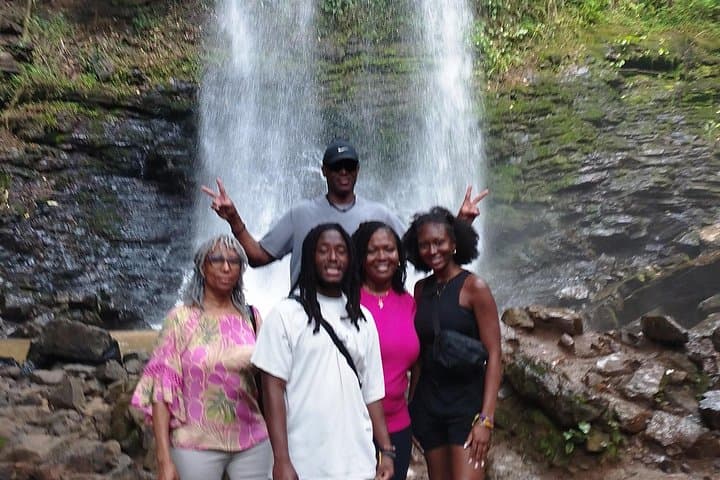
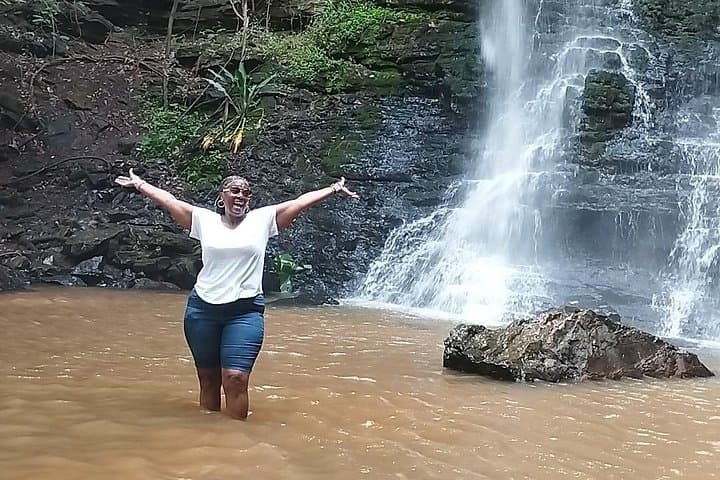
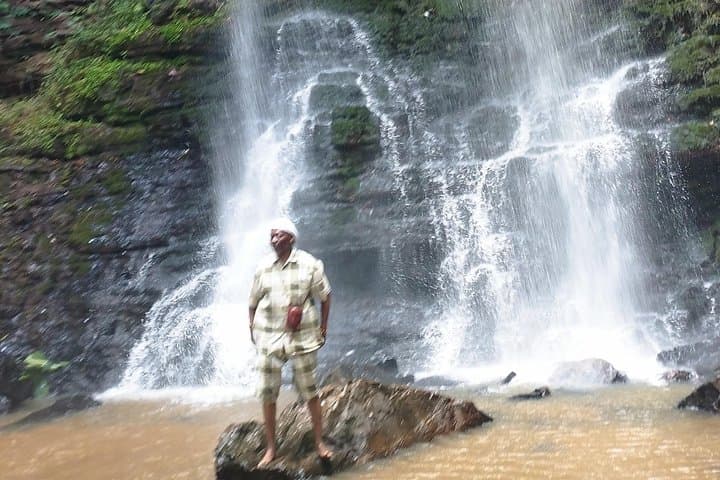
At Asenema the water takes on personality—rushing in the rains, slowing to a jade pool in the dry season—inviting a splash or a photograph framed by ferns and boulders. Local communities use plants seen in the gardens for traditional medicine and small-scale farming, and guides typically explain both cultural uses and conservation concerns.
Practicalities: the trip runs about 5–7 hours with private pickup from Accra, easy walking (the falls are roughly a 5–10 minute walk from the road), and swimming when conditions allow. Bring swimwear, sturdy shoes that grip wet rock, insect repellent and cash for small local purchases. Aim to visit early to avoid midday heat and to see the falls at a calm, photogenic flow.
easy.
5–7 hours.
Suitable for most fitness levels; involves short, gentle walks and brief uneven terrain near the falls.
The tour lasts about 5–7 hours and typically includes private transport, entrance fees, and a professional guide; confirm pickup details when you book.
Yes, swimming is usually allowed when the current is safe; follow your guide’s advice and avoid the pool after heavy rains when flows are stronger.
Yes—Aburi Gardens is accessible for children and the walk to Asenema is short, but supervise kids near water and uneven rock.
The tour involves some walking on uneven terrain and steps; it’s not suitable for travelers with serious mobility limitations—ask the operator about vehicle drop-off points if needed.
Aburi Botanical Gardens was created in the late 19th century as a colonial acclimatization and research station; Tetteh Quarshie’s cocoa farm is celebrated as one of the origins of Ghana’s cocoa industry.
The area benefits from low-impact tourism—visitors should follow leave-no-trace practices, avoid disturbing wildlife, and support local guides to help fund conservation efforts.
Kadelo Travels operates guided outdoor trips and adventures with an emphasis on safety, stewardship, and memorable experiences.
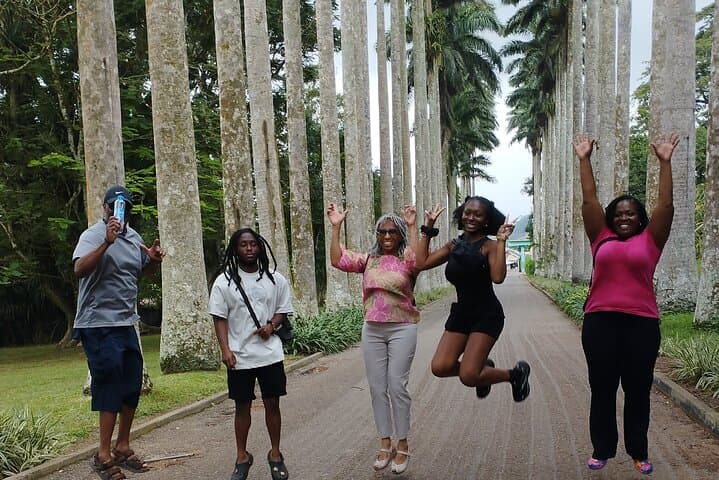
You step out of an air-conditioned van onto a cool, tree-lined avenue and the scent of damp soil and crushed leaves fills the air. The Aburi Botanical Gardens unfolds ahead—wide lawns, towering mahoganies and a guide who points out medicinal shrubs while children chase bright green lizards along the path.
You step out of an air-conditioned van onto a cool, tree-lined avenue and the scent of damp soil and crushed leaves fills the air. The Aburi Botanical Gardens unfolds ahead—wide lawns, towering mahoganies and a guide who points out medicinal shrubs while children chase bright green lizards along the path.
The route then climbs into the Akuapem Hills, following a history as practical as it is botanical: Aburi Gardens was established in the late 19th century as an acclimatization and research station, and nearby Tetteh Quarshie’s cocoa plot marks the beginning of Ghana’s global cocoa story. Geologically the hills are a gentle escarpment of older Precambrian rock overlain by lateritic soils; springs that gather on the ridge punch through the forest and create the Asenema Waterfall downstream.
At Asenema the water takes on personality—rushing in the rains, slowing to a jade pool in the dry season—inviting a splash or a photograph framed by ferns and boulders. Local communities use plants seen in the gardens for traditional medicine and small-scale farming, and guides typically explain both cultural uses and conservation concerns.
Practicalities: the trip runs about 5–7 hours with private pickup from Accra, easy walking (the falls are roughly a 5–10 minute walk from the road), and swimming when conditions allow. Bring swimwear, sturdy shoes that grip wet rock, insect repellent and cash for small local purchases. Aim to visit early to avoid midday heat and to see the falls at a calm, photogenic flow.