THE ADVENTURE COLLECTIVE® · Independent discovery and booking for outdoor travel

A private, full-day journey from Aswan to the monumental Abu Simbel temples, capped by a colonial-era sunset at the Old Cataract Hotel. Expect a long scenic drive, ancient stone reliefs, and an evening on a terrace where the Nile glows at dusk.
A private, full-day journey from Aswan to the monumental Abu Simbel temples, capped by a colonial-era sunset at the Old Cataract Hotel. Expect a long scenic drive, ancient stone reliefs, and an evening on a terrace where the Nile glows at dusk.
You arrive before dawn at the wheel of a private, air-conditioned car and the road unfurls across ochre desert toward Abu Simbel. The desert smells faintly of sun-baked stone; the road hums beneath you. By late morning the colossal faces of Ramses II loom out of the rock, four statuesguarding the temple entrance with the calm of carved granite.
Verified experiences and guided adventures in the surrounding area.
Operated by Eyes of Egypt · Aswan, Aswan Governorate
You arrive before dawn at the wheel of a private, air-conditioned car and the road unfurls across ochre desert toward Abu Simbel. The desert smells faintly of sun-baked stone; the road hums beneath you. By late morning the colossal faces of Ramses II loom out of the rock, four statuesguarding the temple entrance with the calm of carved granite.
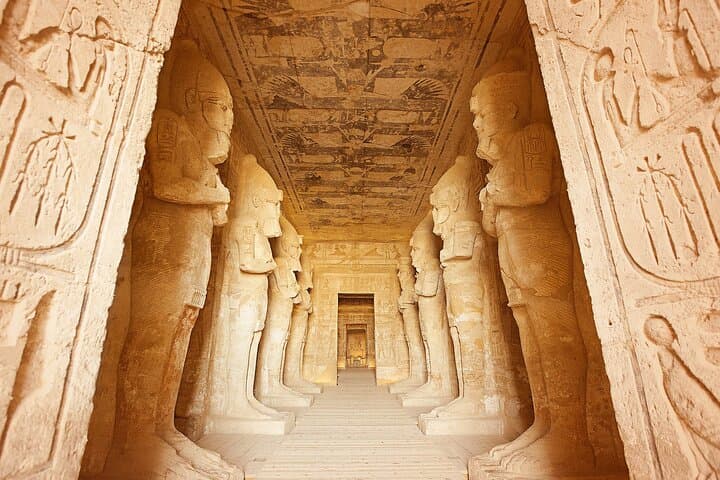
Carved in the 13th century BC and relocated in the 1960s to escape the rising Nile behind the Aswan High Dam, Abu Simbel is as much an engineering story as it is a royal monument. The temples’ reliefs narrate campaigns and ritual life; the alignment of the inner sanctuary still draws curious visitors seeking that ancient astronomical precision.
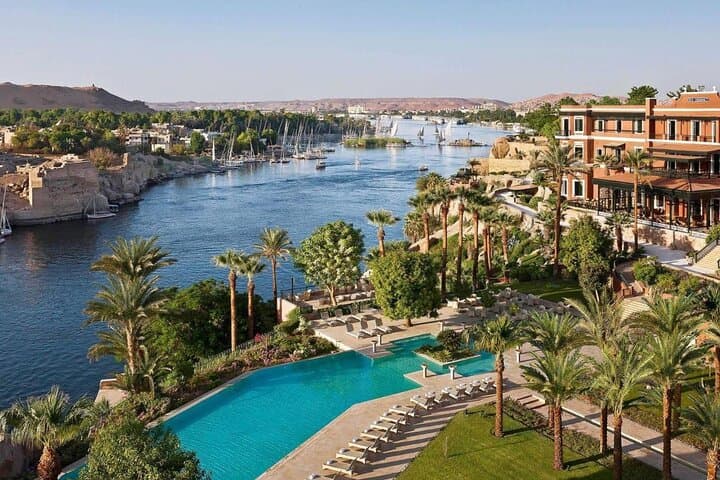
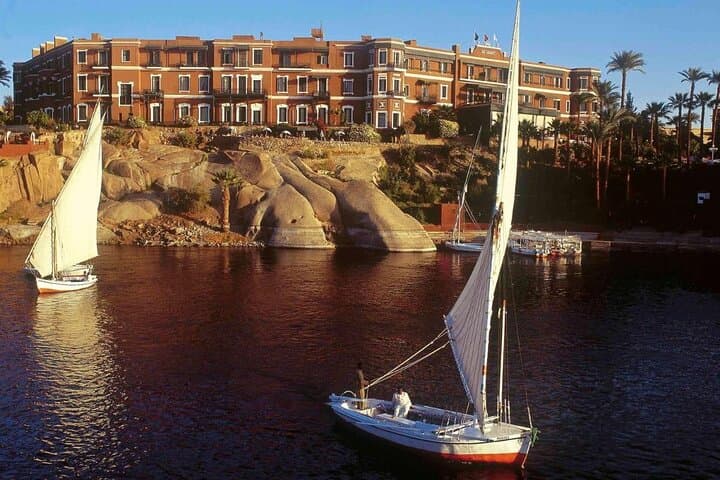
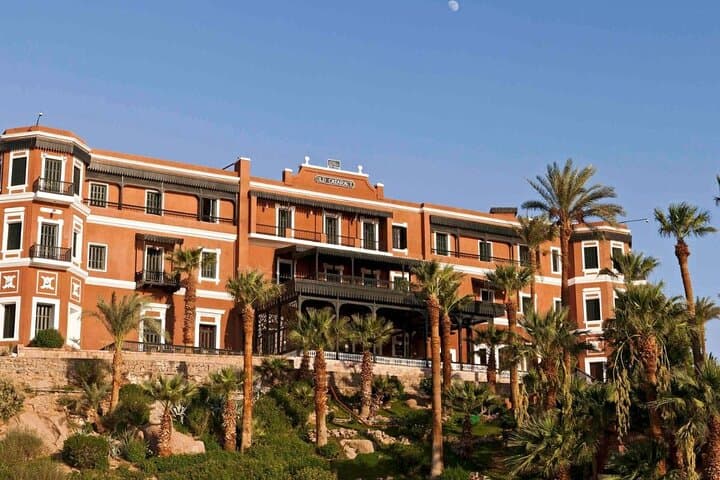
Return toward Aswan and settle on the Old Cataract Hotel terrace as the Nile eases into evening. The hotel’s Victorian verandas and shaded arches recall colonial-era travelers and writers; the sunset stains the water gold and auburn while a complimentary drink summarizes a long day of history and desert travel.
Practical notes: The round-trip drive from Aswan is roughly 560 km and runs about nine to ten hours including stops—expect long stretches in the vehicle and brief walks at the sites. Entrance tickets may be optional depending on your package; consider hiring an Egyptologist guide if you want deeper context. Pack sun protection, a refillable water bottle, comfortable walking shoes for uneven temple stone, and motion-sickness remedies for the drive. Aim for cooler months (October–April) to avoid extreme heat and schedule the Old Cataract visit to coincide with sunset for the best light.
easy.
9–10 hours.
Suitable for travelers in average physical condition — mostly vehicle time with short, easy walks at the sites.
The road distance is about 280 km one way; plan for roughly three hours each way depending on traffic and stops.
Some packages include entrance; others list it as optional—confirm at booking and be prepared to purchase tickets on arrival if needed.
Yes—Expert Journey options add an Egyptologist guide who provides in-depth interpretation at both the temple and the Old Cataract.
Many elements are accessible—transport and some areas accommodate wheelchairs—but temple interiors have steps and uneven surfaces; check specifics with the operator.
Abu Simbel’s two temples were carved during Ramses II’s reign and were moved stone-by-stone in the 1960s to save them from flooding after the Aswan High Dam was built.
The relocation project is an early example of large-scale heritage conservation; visitors are asked to respect site boundaries, avoid touching reliefs, and follow guidance from licensed guides.
Eyes of Egypt operates guided outdoor trips and adventures with an emphasis on safety, stewardship, and memorable experiences.
You arrive before dawn at the wheel of a private, air-conditioned car and the road unfurls across ochre desert toward Abu Simbel. The desert smells faintly of sun-baked stone; the road hums beneath you. By late morning the colossal faces of Ramses II loom out of the rock, four statuesguarding the temple entrance with the calm of carved granite.
You arrive before dawn at the wheel of a private, air-conditioned car and the road unfurls across ochre desert toward Abu Simbel. The desert smells faintly of sun-baked stone; the road hums beneath you. By late morning the colossal faces of Ramses II loom out of the rock, four statuesguarding the temple entrance with the calm of carved granite.
Carved in the 13th century BC and relocated in the 1960s to escape the rising Nile behind the Aswan High Dam, Abu Simbel is as much an engineering story as it is a royal monument. The temples’ reliefs narrate campaigns and ritual life; the alignment of the inner sanctuary still draws curious visitors seeking that ancient astronomical precision.
Return toward Aswan and settle on the Old Cataract Hotel terrace as the Nile eases into evening. The hotel’s Victorian verandas and shaded arches recall colonial-era travelers and writers; the sunset stains the water gold and auburn while a complimentary drink summarizes a long day of history and desert travel.
Practical notes: The round-trip drive from Aswan is roughly 560 km and runs about nine to ten hours including stops—expect long stretches in the vehicle and brief walks at the sites. Entrance tickets may be optional depending on your package; consider hiring an Egyptologist guide if you want deeper context. Pack sun protection, a refillable water bottle, comfortable walking shoes for uneven temple stone, and motion-sickness remedies for the drive. Aim for cooler months (October–April) to avoid extreme heat and schedule the Old Cataract visit to coincide with sunset for the best light.