THE ADVENTURE COLLECTIVE® · Independent discovery and booking for outdoor travel

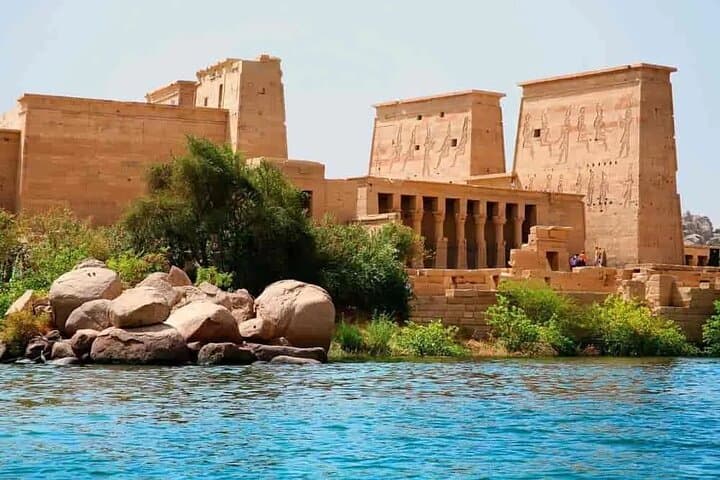
See Abu Simbel’s colossal statues, explore Philae’s island temples, and inspect the Unfinished Obelisk on a full‑day circuit from Aswan. This day tour pairs Egyptian engineering with straightforward logistics — expect early starts and long drives for big rewards.
See Abu Simbel’s colossal statues, explore Philae’s island temples, and inspect the Unfinished Obelisk on a full‑day circuit from Aswan. This day tour pairs Egyptian engineering with straightforward logistics — expect early starts and long drives for big rewards.
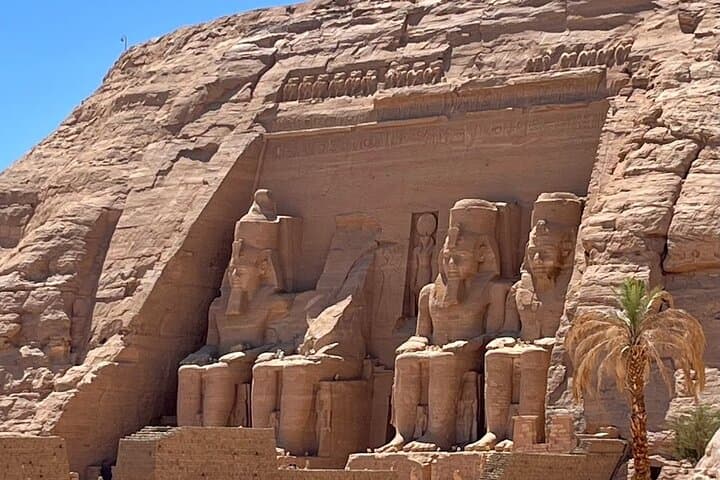
You arrive before dawn in the low, crisp light of Upper Egypt and the road ahead feels like a ribbon pulling you through a landscape that has shaped empires. The Nile’s slow current dares the heat to catch it as your vehicle rolls toward Abu Simbel, where four 20‑meter statues of Ramses II stare out from carved stone and hold a history of conquest and ceremony in their gaze.
Verified experiences and guided adventures in the surrounding area.
Operated by Eyes of Egypt · Aswan, Aswan Governorate
You arrive before dawn in the low, crisp light of Upper Egypt and the road ahead feels like a ribbon pulling you through a landscape that has shaped empires. The Nile’s slow current dares the heat to catch it as your vehicle rolls toward Abu Simbel, where four 20‑meter statues of Ramses II stare out from carved stone and hold a history of conquest and ceremony in their gaze.
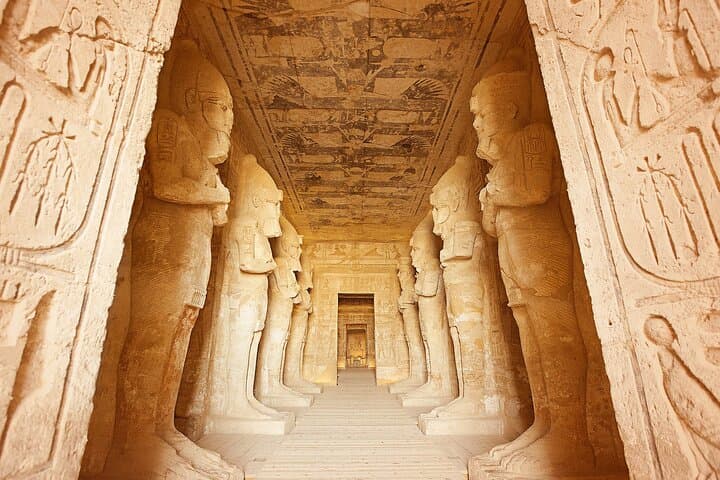
This single-day circuit stitches three UNESCO chapters into one experience. Abu Simbel (13th century BC) showcases royal scale and solar alignments; Philae’s island complex preserves the cult of Isis and later Roman and Coptic layers; the Unfinished Obelisk in Aswan’s granite quarries lays bare ancient quarrying technique — a 42‑meter block abandoned in situ. Geology matters here: Aswan granite is coarse, hard rock that both yielded monumental architecture and posed the engineering puzzles the Egyptians solved.
Expect long drives (Aswan–Abu Simbel ≈280 km, ~3 hours each way) and several short walks across sand‑packed ramps and carved thresholds. Guides add context: seasonal sun illuminations at Abu Simbel, Philae’s Nilometer, and the quarry marks on the Unfinished Obelisk. Conservation is visible — both in the relocated temples saved from the High Dam and in visitor routes set to protect reliefs.
Practical edge: travel light, plan an early departure, carry sun protection and at least 2 liters of water, and allow 11–12 hours for the full loop. If you choose guided or ticketed options, check whether entrance fees are included and confirm hotel pickup times — the rhythm of this trip is governed by the road and the sun.
easy.
11–12 hours.
Suitable for travelers in average physical condition who can manage several short walks, stairs, and standing during guided explanations.
The road distance is about 280 km (175 miles) and typically takes around 3 hours each way, including short rest stops.
Entrance tickets are optional and available under the Total Access option; confirm at booking whether your chosen package pre‑pays sites.
Transportation and many visitor areas offer accessibility, but some temple interiors and uneven surfaces can limit access — notify providers at booking for arrangements.
November–February offers milder temperatures and more comfortable sightseeing; avoid peak summer months if possible due to extreme heat.
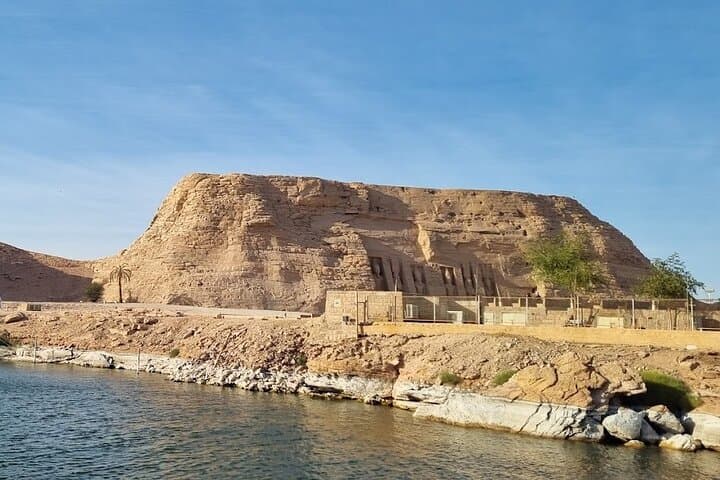
Ramses II’s Abu Simbel temples date to the 13th century BC; both Abu Simbel and Philae were relocated in the 1960s–70s to save them from rising waters after the Aswan High Dam.
The 20th‑century UNESCO salvage efforts preserved these monuments — visitors should stay on designated paths, avoid touching reliefs, and follow guide directions to limit erosion and wear.
Eyes of Egypt operates guided outdoor trips and adventures with an emphasis on safety, stewardship, and memorable experiences.
You arrive before dawn in the low, crisp light of Upper Egypt and the road ahead feels like a ribbon pulling you through a landscape that has shaped empires. The Nile’s slow current dares the heat to catch it as your vehicle rolls toward Abu Simbel, where four 20‑meter statues of Ramses II stare out from carved stone and hold a history of conquest and ceremony in their gaze.
You arrive before dawn in the low, crisp light of Upper Egypt and the road ahead feels like a ribbon pulling you through a landscape that has shaped empires. The Nile’s slow current dares the heat to catch it as your vehicle rolls toward Abu Simbel, where four 20‑meter statues of Ramses II stare out from carved stone and hold a history of conquest and ceremony in their gaze.
This single-day circuit stitches three UNESCO chapters into one experience. Abu Simbel (13th century BC) showcases royal scale and solar alignments; Philae’s island complex preserves the cult of Isis and later Roman and Coptic layers; the Unfinished Obelisk in Aswan’s granite quarries lays bare ancient quarrying technique — a 42‑meter block abandoned in situ. Geology matters here: Aswan granite is coarse, hard rock that both yielded monumental architecture and posed the engineering puzzles the Egyptians solved.
Expect long drives (Aswan–Abu Simbel ≈280 km, ~3 hours each way) and several short walks across sand‑packed ramps and carved thresholds. Guides add context: seasonal sun illuminations at Abu Simbel, Philae’s Nilometer, and the quarry marks on the Unfinished Obelisk. Conservation is visible — both in the relocated temples saved from the High Dam and in visitor routes set to protect reliefs.
Practical edge: travel light, plan an early departure, carry sun protection and at least 2 liters of water, and allow 11–12 hours for the full loop. If you choose guided or ticketed options, check whether entrance fees are included and confirm hotel pickup times — the rhythm of this trip is governed by the road and the sun.