THE ADVENTURE COLLECTIVE® · Independent discovery and booking for outdoor travel

See Abu Simbel’s colossal temples in a single private day trip from Aswan. This guided experience combines archaeological insight with practical logistics—early start, sun-ready gear, and time to absorb the relocated monuments.
See Abu Simbel’s colossal temples in a single private day trip from Aswan. This guided experience combines archaeological insight with practical logistics—early start, sun-ready gear, and time to absorb the relocated monuments.
You arrive before the heat has fully risen and the sandstone faces of Ramesses II catch the first hard light—colossal statues watching as your small group steps from an air-conditioned vehicle onto a flat, open plaza. The desert around Abu Simbel is spare but deliberate: wind-etched sand, the distant curve of Lake Nasser, and the massive rock façade that was cut, moved, and reassembled to survive the Nile’s modern rise.
Verified experiences and guided adventures in the surrounding area.
Operated by taxiGo Limo Airport Service · Abu Simbel, Aswan Governorate
You arrive before the heat has fully risen and the sandstone faces of Ramesses II catch the first hard light—colossal statues watching as your small group steps from an air-conditioned vehicle onto a flat, open plaza. The desert around Abu Simbel is spare but deliberate: wind-etched sand, the distant curve of Lake Nasser, and the massive rock façade that was cut, moved, and reassembled to survive the Nile’s modern rise.
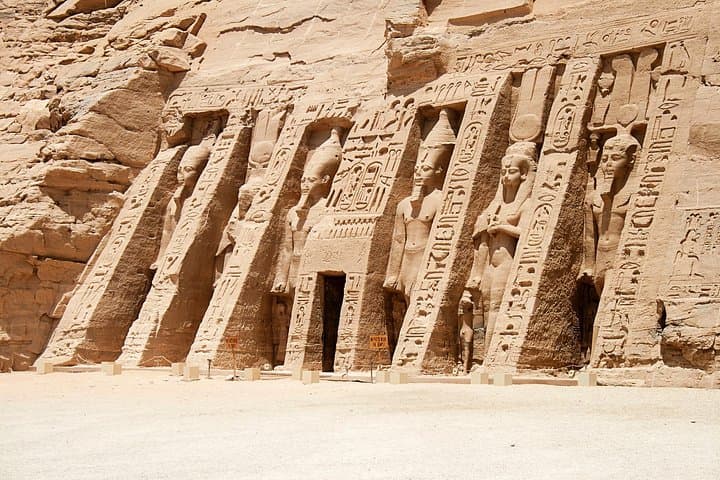
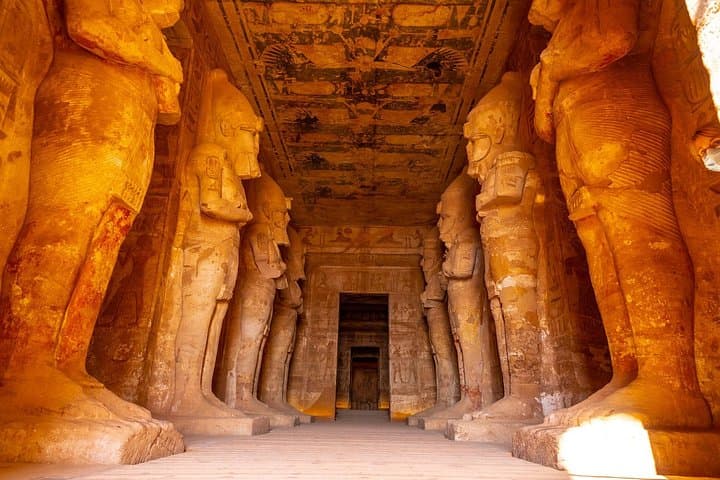
Built in the 13th century BCE and refashioned by a 1960s UNESCO-led relocation, Abu Simbel is both pharaonic showmanship and an engineering chapter of the modern era. The Great Temple honors Ramesses II and the smaller temple celebrates Queen Nefertari and Hathor—carved reliefs, painted interiors, and the precise solar alignments that still draw attention twice a year.
On a private day trip from Aswan, expect guided context at each chamber, time for photos at statuary scale, and a calm cadence: arrival, interior exploration, and the quiet of the outer ramps. The route is flat but exposed; shade is scarce.
Practical bits: leave Aswan early (the drive is several hours), budget for entrance fees and site regulations, and plan water, sun protection, and comfortable shoes. Photography is allowed but be respectful around sensitive reliefs. If you time your visit for early morning or late afternoon you’ll avoid midday glare and crowds, and catch the stones in the richest light.
This is a day of monumental scale—history and geology meeting modern conservation—best experienced with a guide who places the stones in story and context.
easy.
9 hours.
Suitable for most fitness levels; requires short periods of standing and walking on flat, exposed terrain.
The drive is roughly 3–4 hours each way depending on stops—expect the full tour to take about nine hours including exploration time at the temples.
Entrance fees are not guaranteed; verify with your operator before booking. Many private tours require guests to pay site tickets separately or include them in the package.
The plaza and main temple entrances are relatively flat, but there are thresholds and steps; accessibility can be limited—ask your operator to arrange assistance if needed.
Photography is generally allowed, but rules can change—avoid flash and tripods unless explicitly permitted to protect fragile wall paintings.
The two Abu Simbel temples were carved in the reign of Ramesses II and relocated piece-by-piece in the 1960s to save them from the rising waters of Lake Nasser after the Aswan High Dam.
The relocation is an early major conservation effort; visitors should stick to marked paths, avoid touching reliefs, and support operators who follow site protection rules.
taxiGo Limo Airport Service operates guided outdoor trips and adventures with an emphasis on safety, stewardship, and memorable experiences.
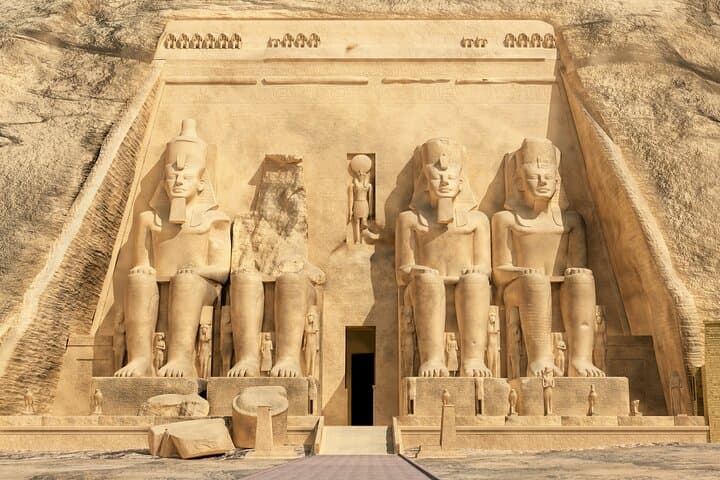

You arrive before the heat has fully risen and the sandstone faces of Ramesses II catch the first hard light—colossal statues watching as your small group steps from an air-conditioned vehicle onto a flat, open plaza. The desert around Abu Simbel is spare but deliberate: wind-etched sand, the distant curve of Lake Nasser, and the massive rock façade that was cut, moved, and reassembled to survive the Nile’s modern rise.
You arrive before the heat has fully risen and the sandstone faces of Ramesses II catch the first hard light—colossal statues watching as your small group steps from an air-conditioned vehicle onto a flat, open plaza. The desert around Abu Simbel is spare but deliberate: wind-etched sand, the distant curve of Lake Nasser, and the massive rock façade that was cut, moved, and reassembled to survive the Nile’s modern rise.
Built in the 13th century BCE and refashioned by a 1960s UNESCO-led relocation, Abu Simbel is both pharaonic showmanship and an engineering chapter of the modern era. The Great Temple honors Ramesses II and the smaller temple celebrates Queen Nefertari and Hathor—carved reliefs, painted interiors, and the precise solar alignments that still draw attention twice a year.
On a private day trip from Aswan, expect guided context at each chamber, time for photos at statuary scale, and a calm cadence: arrival, interior exploration, and the quiet of the outer ramps. The route is flat but exposed; shade is scarce.
Practical bits: leave Aswan early (the drive is several hours), budget for entrance fees and site regulations, and plan water, sun protection, and comfortable shoes. Photography is allowed but be respectful around sensitive reliefs. If you time your visit for early morning or late afternoon you’ll avoid midday glare and crowds, and catch the stones in the richest light.
This is a day of monumental scale—history and geology meeting modern conservation—best experienced with a guide who places the stones in story and context.