THE ADVENTURE COLLECTIVE® · Independent discovery and booking for outdoor travel

A full-day shared excursion from Aswan to Abu Simbel that combines a dramatic desert drive with two relocated rock-cut temples from the era of Ramses II. Expect long travel time, midday sun, and iconic photo opportunities at the colossal façade.
A full-day shared excursion from Aswan to Abu Simbel that combines a dramatic desert drive with two relocated rock-cut temples from the era of Ramses II. Expect long travel time, midday sun, and iconic photo opportunities at the colossal façade.
The bus moves before dawn, cutting through ochre desert as the Nile recedes into memory and Lake Nasser widens the horizon. By midmorning the colossal stone faces of Ramses II rise from a sandstone cliff, four granite thrones staring down the plain — a monumental arrival that feels both engineered and elemental.
Verified experiences and guided adventures in the surrounding area.
Operated by Alara Tours Egypt · Abu Simbel, Aswan Governorate
The bus moves before dawn, cutting through ochre desert as the Nile recedes into memory and Lake Nasser widens the horizon. By midmorning the colossal stone faces of Ramses II rise from a sandstone cliff, four granite thrones staring down the plain — a monumental arrival that feels both engineered and elemental.
Carved in the 13th century BCE and famously relocated in the 1960s to save them from the rising waters of Lake Nasser, the twin Abu Simbel temples combine imperial ambition and modern engineering. The façade is geological and human: ancient builders worked with Nubian sandstone; 20th-century archaeologists dismantled and rebuilt the site block-by-block on higher ground. Local Nubian culture remains present in nearby villages, and drivers sometimes transfer visitors by tuk-tuk from Gharb Suhail for a short, vivid slice of community life.
Expect wide desert light, gritty sand underfoot and a short, stepped approach to the entrances; interior chambers cool and dim compared with the glaring sun. Timing matters — early departures from Aswan avoid midday heat and make the 3–4 hour roundtrip drive more comfortable. Photography is unrestricted outside but negotiate inside with guides; if you care about light on the faces, sunrise and late afternoon produce the richest textures.
Practicalities: bring sun protection, plenty of water, and comfortable shoes for temple approaches. The day is long but physically undemanding — the reward is immediate: one of Egypt’s most dramatic encounters with antiquity, set against the modern sweep of Lake Nasser and Nubian plains.
easy.
8 hours.
Suitable for travelers of average fitness; expect short walks, steps into temple chambers, and long periods of standing during explanations.
Expect about a 3-hour drive each way on a shared coach; total trip time is roughly 8 hours including time at the temples.
This shared tour’s standard itinerary indicates admission is not included, so plan to pay the site entry fee on arrival unless otherwise noted in booking details.
Yes — the larger Great Temple of Ramses II and the smaller Temple of Hathor for Nefertari are both part of the complex and typically visited on the same stop.
The approach involves steps and uneven ground; while much of the complex is reachable, it may be challenging for travelers with serious mobility limitations.
The Abu Simbel temples were carved in the reign of Ramses II (c. 13th century BCE) and relocated in the 1960s to avert submersion by Lake Nasser after the Aswan High Dam was built.
The relocation was a major UNESCO-led conservation project; visitors are asked to minimize touch and stay on marked paths to protect fragile stone surfaces.
Alara Tours Egypt operates guided outdoor trips and adventures with an emphasis on safety, stewardship, and memorable experiences.


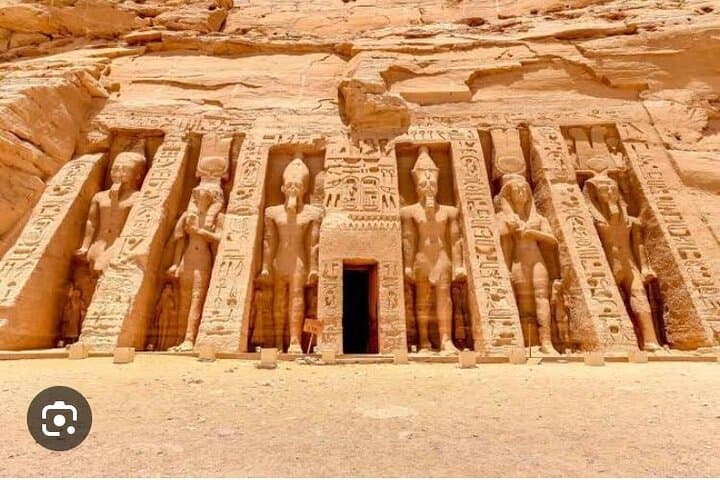
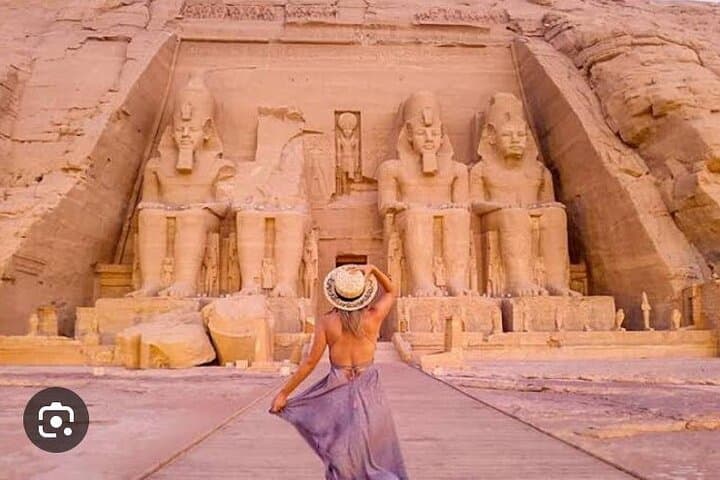
The bus moves before dawn, cutting through ochre desert as the Nile recedes into memory and Lake Nasser widens the horizon. By midmorning the colossal stone faces of Ramses II rise from a sandstone cliff, four granite thrones staring down the plain — a monumental arrival that feels both engineered and elemental.
The bus moves before dawn, cutting through ochre desert as the Nile recedes into memory and Lake Nasser widens the horizon. By midmorning the colossal stone faces of Ramses II rise from a sandstone cliff, four granite thrones staring down the plain — a monumental arrival that feels both engineered and elemental.
Carved in the 13th century BCE and famously relocated in the 1960s to save them from the rising waters of Lake Nasser, the twin Abu Simbel temples combine imperial ambition and modern engineering. The façade is geological and human: ancient builders worked with Nubian sandstone; 20th-century archaeologists dismantled and rebuilt the site block-by-block on higher ground. Local Nubian culture remains present in nearby villages, and drivers sometimes transfer visitors by tuk-tuk from Gharb Suhail for a short, vivid slice of community life.
Expect wide desert light, gritty sand underfoot and a short, stepped approach to the entrances; interior chambers cool and dim compared with the glaring sun. Timing matters — early departures from Aswan avoid midday heat and make the 3–4 hour roundtrip drive more comfortable. Photography is unrestricted outside but negotiate inside with guides; if you care about light on the faces, sunrise and late afternoon produce the richest textures.
Practicalities: bring sun protection, plenty of water, and comfortable shoes for temple approaches. The day is long but physically undemanding — the reward is immediate: one of Egypt’s most dramatic encounters with antiquity, set against the modern sweep of Lake Nasser and Nubian plains.