THE ADVENTURE COLLECTIVE® · Independent discovery and booking for outdoor travel

Fly from Luxor to Abu Simbel for a focused, full‑day visit to Ramesses II’s monumental temples. Short regional flights and a guided visit put you within walking distance of colossal seated figures and an ancient solar alignment.
Fly from Luxor to Abu Simbel for a focused, full‑day visit to Ramesses II’s monumental temples. Short regional flights and a guided visit put you within walking distance of colossal seated figures and an ancient solar alignment.
You land in a thin ribbon of desert light: the plane eases over ochre cliffs and the Nile’s distant glint, then Abu Simbel rises — four colossal seated figures carved into the rock, their faces fixed against centuries of wind and sun.
Verified experiences and guided adventures in the surrounding area.
Operated by NORTH AFRICAN SHIPPING AND TOURISM COMPANY (NASCO TOURS) · Abu Simbel, Aswan Governorate
You land in a thin ribbon of desert light: the plane eases over ochre cliffs and the Nile’s distant glint, then Abu Simbel rises — four colossal seated figures carved into the rock, their faces fixed against centuries of wind and sun.
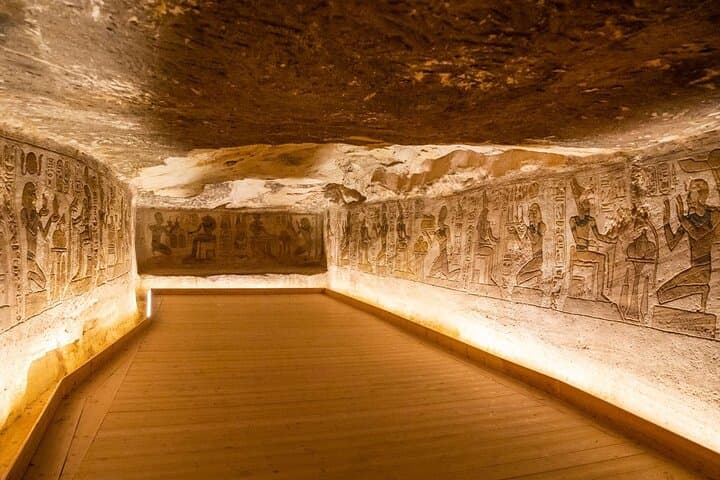
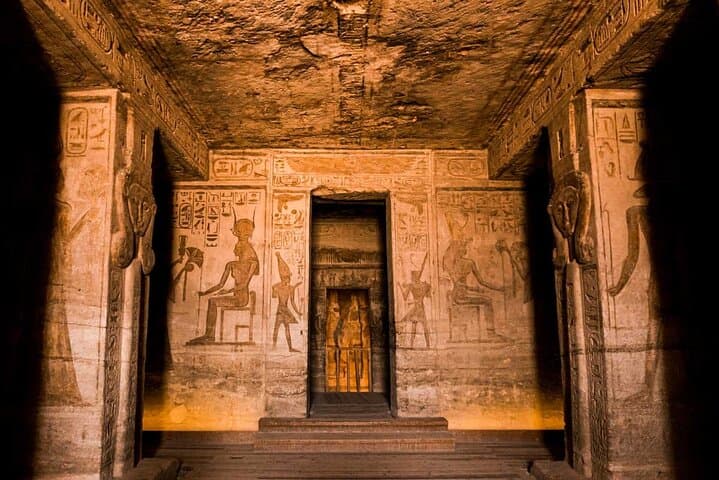
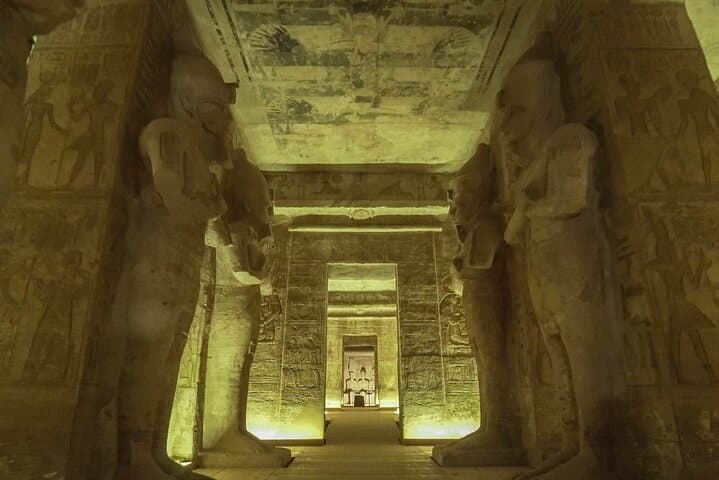
Built by Ramesses II in the 13th century BCE, the Great Temple and its twin are carved from Nubian sandstone and aligned with the sun in a precision that marks pharaohs and gods. In the 1960s the temples were famously relocated higher on the hill to escape the rising waters behind the Aswan High Dam — an engineering story as dramatic as the monuments themselves.
The site sits near Egypt’s southern border, where Nubian culture and ancient Egyptian statecraft meet. The temple’s fallen statue, a visible remnant of ancient seismic activity, reminds visitors that both human will and geology shape this place.
Practical guidance: this is a long, full-day excursion (roughly 12–13 hours on the itinerary) that uses short regional flights and transfers. Expect minimal walking at the site but prolonged exposure to sun and heat; mornings are cooler and best for photography. Bring sunscreen, a wide-brim hat, refillable water, and comfortable closed-toe shoes for uneven stone surfaces. Carry your passport and confirm whether domestic flight segments are included in the booking; operators often provide an English-speaking guide and air-conditioned transport. Mobility needs are generally accommodated, but check specifics if you require assistance.
The experience is straightforward: quick flights, a focused 60–90 minute temple visit, and a long return leg — a practical, high-impact day that places you face-to-face with one of Egypt’s most famous monumental works.
easy.
12–13 hours (full day).
Suitable for travelers in basic fitness — mostly standing and short walks; not strenuous but long and exposed to sun
Typical guided visits last about 60–90 minutes on site, with additional time for transfers and flights making it a full-day excursion.
This itinerary lists admission to Abu Simbel as included, but always confirm with the operator before booking as policies can vary.
Yes — the visit involves limited walking and is rated suitable for most fitness levels, but consider the long day and heat for younger or less mobile travelers.
Carry your passport for domestic flight check-in and potential checkpoints; international visa requirements depend on your nationality and should be arranged prior to travel.
The twin temples at Abu Simbel were carved under Ramesses II to project power in Nubia; in the 1960s they were dismantled and rebuilt higher to prevent flooding from the Aswan High Dam.
The relocation was an early large-scale conservation effort; current concerns focus on managing visitor impact and protecting the sandstone from abrasion and salt crystallization.
NORTH AFRICAN SHIPPING AND TOURISM COMPANY (NASCO TOURS) operates guided outdoor trips and adventures with an emphasis on safety, stewardship, and memorable experiences.
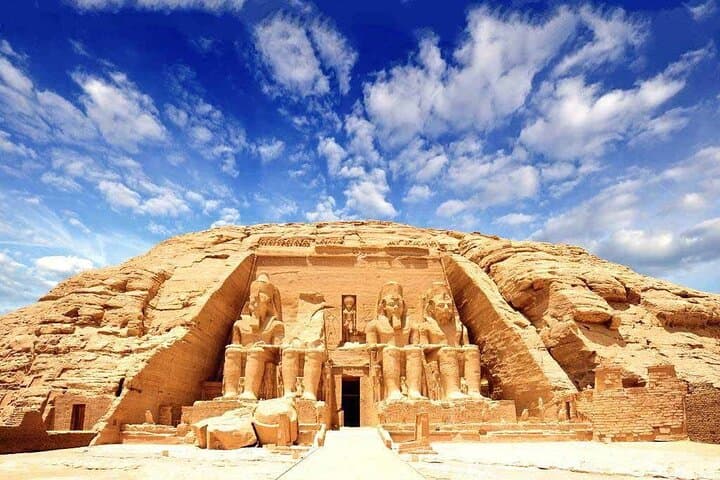
You land in a thin ribbon of desert light: the plane eases over ochre cliffs and the Nile’s distant glint, then Abu Simbel rises — four colossal seated figures carved into the rock, their faces fixed against centuries of wind and sun.
You land in a thin ribbon of desert light: the plane eases over ochre cliffs and the Nile’s distant glint, then Abu Simbel rises — four colossal seated figures carved into the rock, their faces fixed against centuries of wind and sun.
Built by Ramesses II in the 13th century BCE, the Great Temple and its twin are carved from Nubian sandstone and aligned with the sun in a precision that marks pharaohs and gods. In the 1960s the temples were famously relocated higher on the hill to escape the rising waters behind the Aswan High Dam — an engineering story as dramatic as the monuments themselves.
The site sits near Egypt’s southern border, where Nubian culture and ancient Egyptian statecraft meet. The temple’s fallen statue, a visible remnant of ancient seismic activity, reminds visitors that both human will and geology shape this place.
Practical guidance: this is a long, full-day excursion (roughly 12–13 hours on the itinerary) that uses short regional flights and transfers. Expect minimal walking at the site but prolonged exposure to sun and heat; mornings are cooler and best for photography. Bring sunscreen, a wide-brim hat, refillable water, and comfortable closed-toe shoes for uneven stone surfaces. Carry your passport and confirm whether domestic flight segments are included in the booking; operators often provide an English-speaking guide and air-conditioned transport. Mobility needs are generally accommodated, but check specifics if you require assistance.
The experience is straightforward: quick flights, a focused 60–90 minute temple visit, and a long return leg — a practical, high-impact day that places you face-to-face with one of Egypt’s most famous monumental works.