THE ADVENTURE COLLECTIVE® · Independent discovery and booking for outdoor travel

Drive across southern Egypt to stand beneath Ramses II at Abu Simbel, then unwind with a traditional felucca as the Nile takes on gold. This private day tour pairs monumental history with a tranquil sunset sail from Aswan.
Drive across southern Egypt to stand beneath Ramses II at Abu Simbel, then unwind with a traditional felucca as the Nile takes on gold. This private day tour pairs monumental history with a tranquil sunset sail from Aswan.
You leave Aswan before dawn and the desert opens like a wide, quiet page—the road ahead a ribbon that eats miles with steady, air‑conditioned comfort. By midmorning the colossal faces of Ramses II loom into view, four 20‑meter statues carved from rock that dominate the temple façade and force a closer look at scale and purpose.
Verified experiences and guided adventures in the surrounding area.
Operated by Eyes of Egypt · Aswan, Aswan
You leave Aswan before dawn and the desert opens like a wide, quiet page—the road ahead a ribbon that eats miles with steady, air‑conditioned comfort. By midmorning the colossal faces of Ramses II loom into view, four 20‑meter statues carved from rock that dominate the temple façade and force a closer look at scale and purpose.
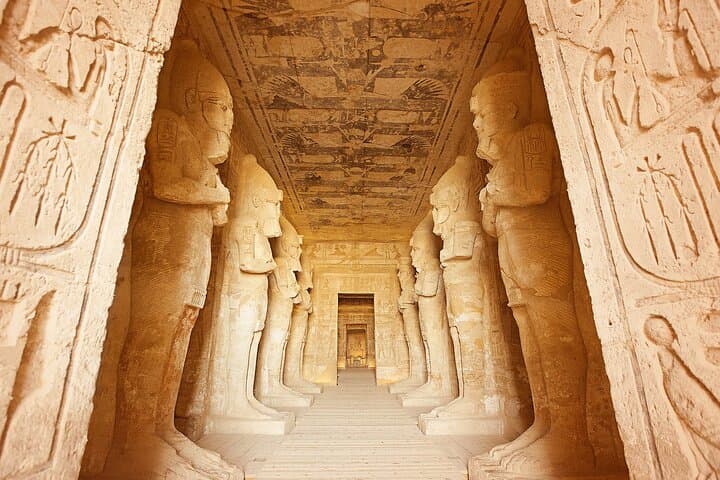
Abu Simbel was carved in the 13th century BC and relocated in the 1960s to save it from the rising Nile after the Aswan High Dam; its geology is Nubian sandstone, solid yet eroded in places where wind and sand have tested the reliefs. The temples reward time spent reading reliefs of military campaigns and ritual scenes, and the sanctuary aligns with sunlight on about Feb 22 and Oct 22—an engineered moment of light centuries old.
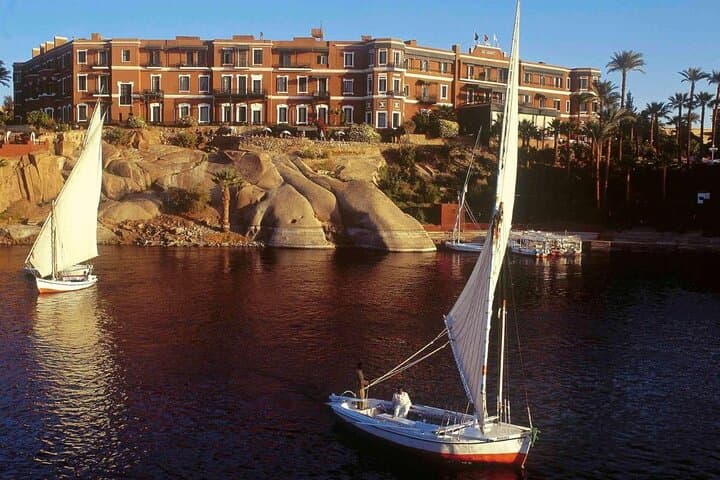
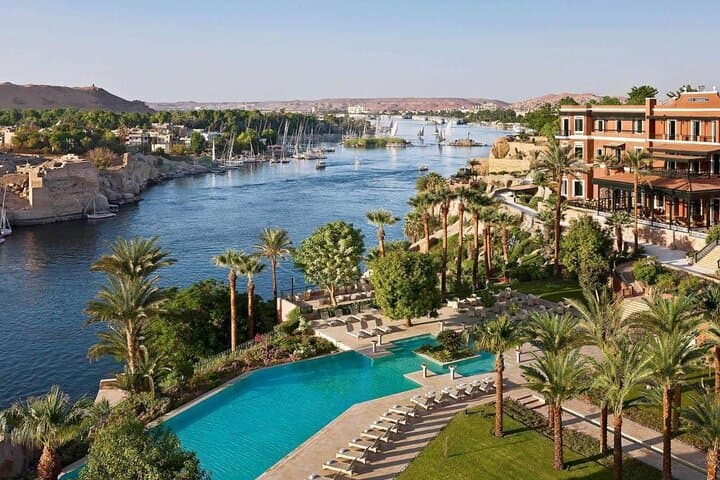
Back in Aswan, the Nile changes pace: the felucca slips off with a soft wind at your back, passing Elephantine Island, Kitchener’s botanical gardens, and the Agha Khan Mausoleum as the sky cools and the river dares you to slow down.
Practical guidance: the round trip by road is ~560 km (≈350 miles) and typically takes 9–10 hours total including stops; expect about 3 hours each way. Wear sturdy, breathable shoes for temple steps, pack sun protection and at least 1.5–2 L water, and bring a light layer for the felucca's evening breeze. Passport or photo ID is required for temple tickets. If you prefer a quieter pace, request the private option and confirm pickup times—this trip is long but richly concentrated in history and river calm.
easy.
9–10 hours.
Good for travelers able to sit comfortably during long transfers and walk short uneven stone steps; minimal sustained exertion.
Expect roughly 3 hours each way by road (about 280 km/175 miles one way), with stops factored into the schedule.
Yes; the tour indicates entrance tickets to Abu Simbel are included with no hidden costs.
Feluccas are generally calm and suitable for most ages; the tour lists wheelchair and stroller accessibility for transfers—check with the operator about specific mobility needs.
Autumn through spring (October–April) offers milder temperatures; summer can be extremely hot, making early starts and evening sails preferable.
Abu Simbel was carved under Ramses II in the 13th century BC and was physically relocated brick‑by‑brick in the 1960s to prevent submersion by Lake Nasser after the Aswan High Dam.
The relocation is an early large‑scale conservation project; visitors should avoid touching reliefs and follow marked paths to limit erosion and wear.
Eyes of Egypt operates guided outdoor trips and adventures with an emphasis on safety, stewardship, and memorable experiences.
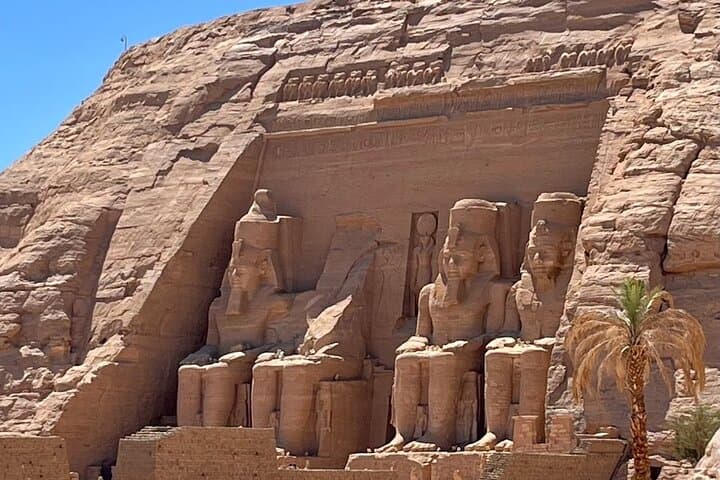
You leave Aswan before dawn and the desert opens like a wide, quiet page—the road ahead a ribbon that eats miles with steady, air‑conditioned comfort. By midmorning the colossal faces of Ramses II loom into view, four 20‑meter statues carved from rock that dominate the temple façade and force a closer look at scale and purpose.
You leave Aswan before dawn and the desert opens like a wide, quiet page—the road ahead a ribbon that eats miles with steady, air‑conditioned comfort. By midmorning the colossal faces of Ramses II loom into view, four 20‑meter statues carved from rock that dominate the temple façade and force a closer look at scale and purpose.
Abu Simbel was carved in the 13th century BC and relocated in the 1960s to save it from the rising Nile after the Aswan High Dam; its geology is Nubian sandstone, solid yet eroded in places where wind and sand have tested the reliefs. The temples reward time spent reading reliefs of military campaigns and ritual scenes, and the sanctuary aligns with sunlight on about Feb 22 and Oct 22—an engineered moment of light centuries old.
Back in Aswan, the Nile changes pace: the felucca slips off with a soft wind at your back, passing Elephantine Island, Kitchener’s botanical gardens, and the Agha Khan Mausoleum as the sky cools and the river dares you to slow down.
Practical guidance: the round trip by road is ~560 km (≈350 miles) and typically takes 9–10 hours total including stops; expect about 3 hours each way. Wear sturdy, breathable shoes for temple steps, pack sun protection and at least 1.5–2 L water, and bring a light layer for the felucca's evening breeze. Passport or photo ID is required for temple tickets. If you prefer a quieter pace, request the private option and confirm pickup times—this trip is long but richly concentrated in history and river calm.