THE ADVENTURE COLLECTIVE® · Independent discovery and booking for outdoor travel

A compact, two-day private tour that pairs Aswan’s Nilefront charms with the monumental drama of Abu Simbel. Fly from Cairo, visit Philae and the Unfinished Obelisk, and watch Ramses II’s temples rise from the desert.
A compact, two-day private tour that pairs Aswan’s Nilefront charms with the monumental drama of Abu Simbel. Fly from Cairo, visit Philae and the Unfinished Obelisk, and watch Ramses II’s temples rise from the desert.
You touch down in Aswan and the desert opens like a slow-moving story: salt-bleached ridges, the Nile threading green through ochre, and the low hum of a prop plane folding back into silence.
Verified experiences and guided adventures in the surrounding area.
Operated by Book Egypt Tours · Aswan, Aswan Governorate
You touch down in Aswan and the desert opens like a slow-moving story: salt-bleached ridges, the Nile threading green through ochre, and the low hum of a prop plane folding back into silence.
Day one is soft introduction — a drive past the old Aswan Dam and a boat crossing to Philae where Isis’s temple compels with relocated colonnades and carved reliefs that survived the rising waters. The Unfinished Obelisk quarry offers a tactile lesson in ancient techniques: visible tool marks, the scale of stone extraction, and the raw geometry of monuments that never left the bedrock.
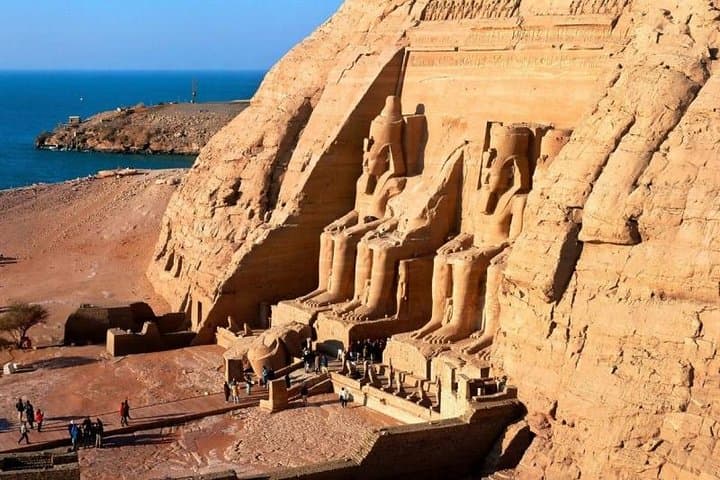
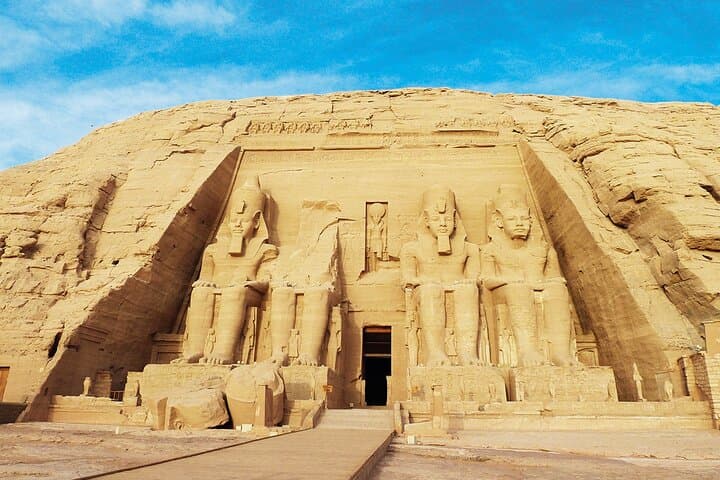
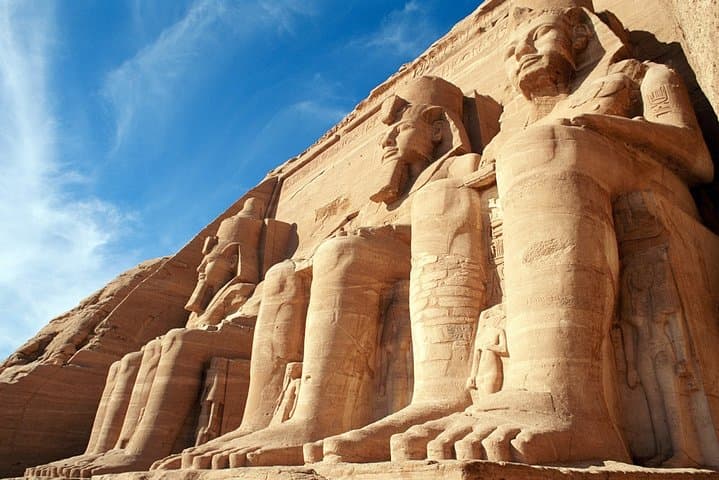
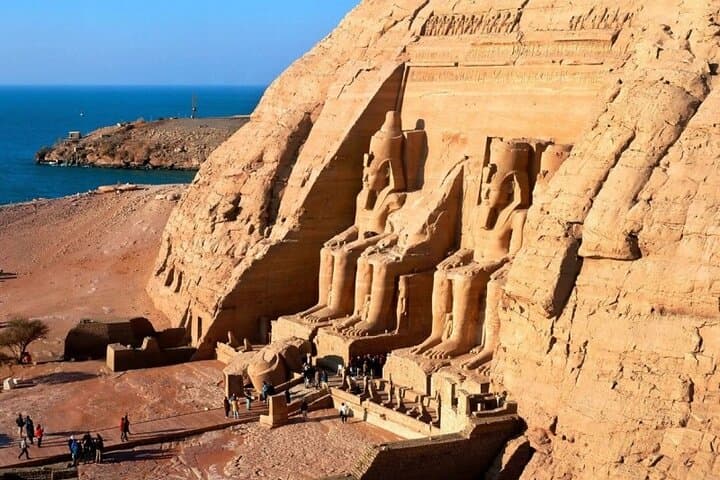
On day two the road pushes southwest toward Abu Simbel, and the facades of Rameses II impose themselves out of the desert — four seated colossi guarding a carved horizon. The larger temple aligns with the sun twice a year in a ritual light show; the smaller honors Nefertari with Hathor-emblazoned pillars. These temples were painstakingly relocated in the 1960s to escape the rising reservoir created by the High Dam — a modern engineering rescue that preserved pharaonic spectacle.
Practical guidance: fly Cairo–Aswan to save time, expect full days of walking on uneven stone and short boat transfers, and carry original passport, cash for site fees and tips, and a sun hat. Hydrate heavily in transit; Egyptian sun and sand will push at you, and comfortable, sturdy shoes will keep each temple approach steady. The experience is archaeological theater — intimate, educational, and physically accessible for moderately fit travelers.
moderate.
2 days.
Moderate fitness: able to walk on uneven ground and climb short stone steps over consecutive long days
Yes — the tour includes round-trip domestic airline tickets between Cairo and Aswan.
Admission to Abu Simbel is included as part of the sightseeing mentioned in the itinerary; confirm before booking for any recent fee changes.
This tour is not recommended for pregnant travelers due to long transfers and potential physical demands at sites.
Pickups align with flight schedules and early morning departures are common to maximize daylight at Aswan and Abu Simbel.
Abu Simbel’s temples were carved under Ramses II (13th century BCE) and later relocated in the 1960s to save them from Lake Nasser’s rising waters during the High Dam project.
The relocation is a landmark in cultural heritage preservation; visitors are asked to avoid touching reliefs and to follow designated paths to reduce erosion and wear.
Book Egypt Tours operates guided outdoor trips and adventures with an emphasis on safety, stewardship, and memorable experiences.
You touch down in Aswan and the desert opens like a slow-moving story: salt-bleached ridges, the Nile threading green through ochre, and the low hum of a prop plane folding back into silence.
You touch down in Aswan and the desert opens like a slow-moving story: salt-bleached ridges, the Nile threading green through ochre, and the low hum of a prop plane folding back into silence.
Day one is soft introduction — a drive past the old Aswan Dam and a boat crossing to Philae where Isis’s temple compels with relocated colonnades and carved reliefs that survived the rising waters. The Unfinished Obelisk quarry offers a tactile lesson in ancient techniques: visible tool marks, the scale of stone extraction, and the raw geometry of monuments that never left the bedrock.
On day two the road pushes southwest toward Abu Simbel, and the facades of Rameses II impose themselves out of the desert — four seated colossi guarding a carved horizon. The larger temple aligns with the sun twice a year in a ritual light show; the smaller honors Nefertari with Hathor-emblazoned pillars. These temples were painstakingly relocated in the 1960s to escape the rising reservoir created by the High Dam — a modern engineering rescue that preserved pharaonic spectacle.
Practical guidance: fly Cairo–Aswan to save time, expect full days of walking on uneven stone and short boat transfers, and carry original passport, cash for site fees and tips, and a sun hat. Hydrate heavily in transit; Egyptian sun and sand will push at you, and comfortable, sturdy shoes will keep each temple approach steady. The experience is archaeological theater — intimate, educational, and physically accessible for moderately fit travelers.